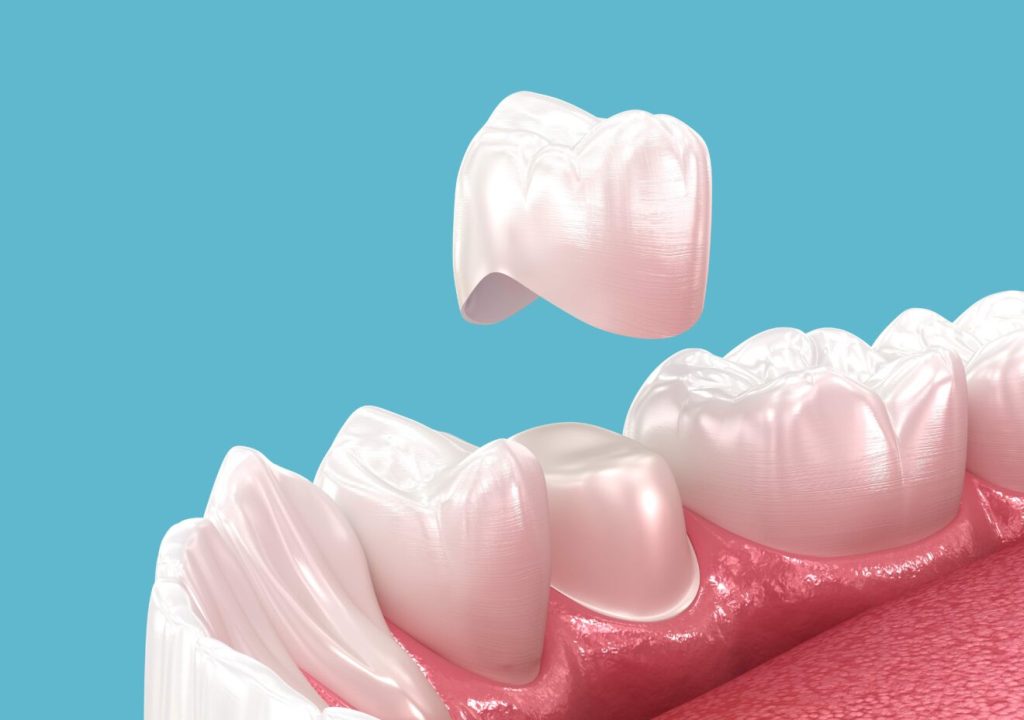
A dental crown is a common and effective solution for restoring a damaged or weakened tooth. It acts like a protective cap, covering the entire visible portion of the tooth above the gum line. When properly fitted, a crown should seamlessly merge with your natural tooth and create a strong barrier. However, sometimes an issue known as a “dental crown open margin” can arise. This refers to a gap or space between the edge of your crown and your natural tooth structure.
An open margin might seem like a minor detail, but it can lead to significant oral health problems if left unaddressed. Therefore, understanding this condition is crucial for maintaining a healthy smile. Stay with us in this blog post to figure out what a dental crown open margin is, what the causes are, and what treatments it has.
What is a Dental Crown Open Margin?
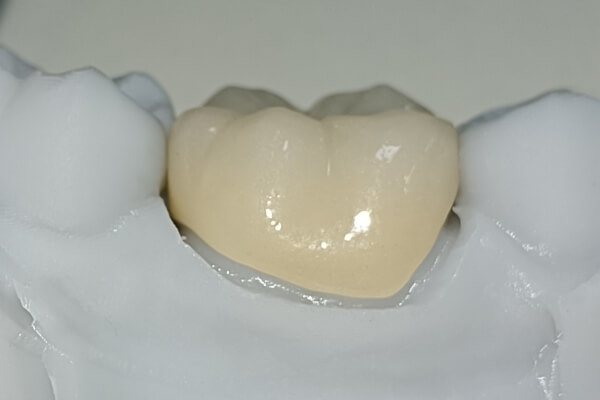
To understand an open margin, first consider the margin of a dental crown. This is the precise edge where the crown meets your natural tooth structure, typically at or just below the gum line. A well-placed crown should have margins that are flush and tightly sealed against the tooth, and prevent any space for external elements to penetrate.
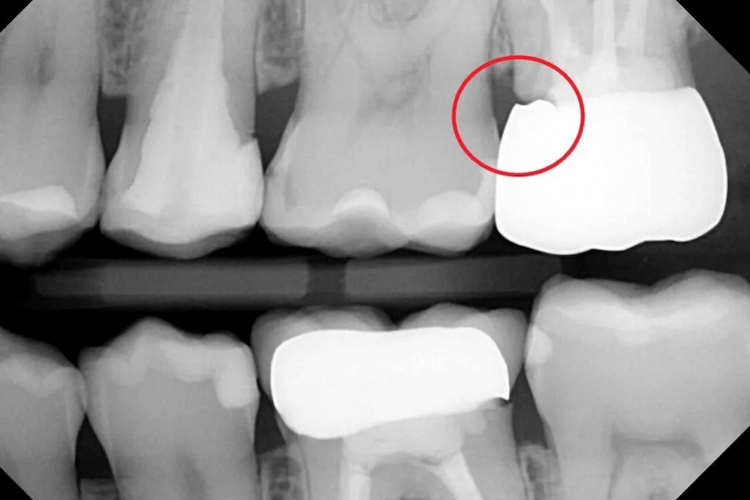
An open margin dental crown means there is a detectable gap or space at this critical junction. This gap can be tiny, almost imperceptible to the naked eye, or it can be large enough to feel with your tongue or even see. This compromise in the seal is concerning because it exposes the vulnerable underlying tooth to the oral environment.
What Causes an Open Margin Crown?
Several factors can contribute to the development of an open margin crown. Understanding these causes can help in both prevention and identifying the problem:
- Improper Fit During Fabrication: The most common cause is when the crown is not perfectly shaped or sized to fit the prepared tooth. This can happen if the initial impression was not accurate or if the dental lab’s fabrication process had slight inaccuracies.
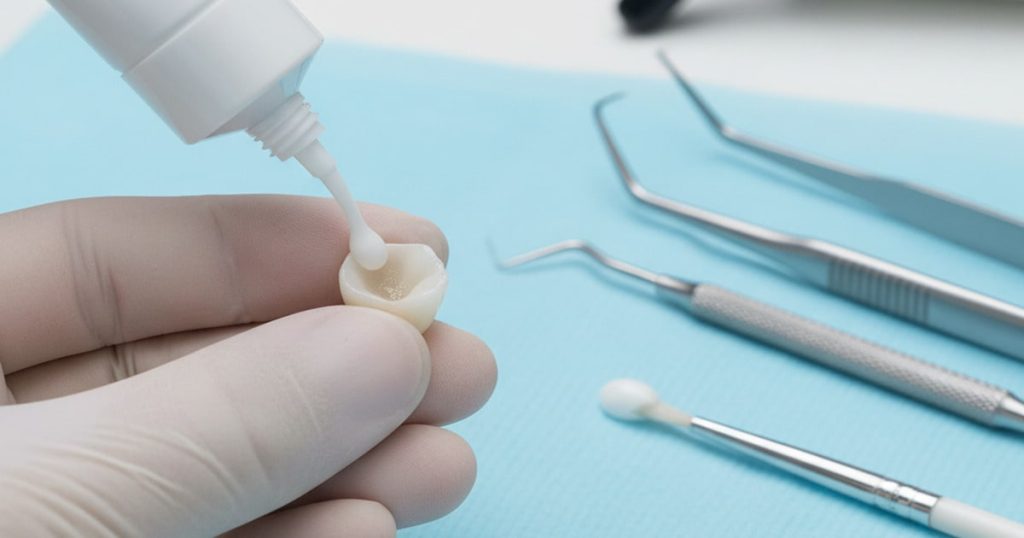
- Inadequate Cementation: The dental cement used to bond the crown to the tooth must create a complete seal. If the cement washes out or isn’t properly applied, it can leave a microscopic gap, leading to an open margin.
- Gum Recession: Over time, your gum tissue can recede due to aging, aggressive brushing, or gum disease. This recession can expose a previously well-sealed margin, making it appear open.
- Wear and Tear: Crowns are durable, but they are not indestructible. Chewing forces, teeth grinding (bruxism), or even certain foods can put stress on the crown, potentially leading to slight movements or changes that create a gap.
- Changes in Underlying Tooth Structure: While less common, the natural tooth underneath the crown can sometimes undergo minor changes, such as further decay or fracture, which can compromise the crown’s fit.
Is Your Crown Compromised?
Identifying the symptoms of an open margin crown early is important for prompt treatment. Some signs might be subtle, while others are more noticeable:
- Sensitivity: You might experience increased sensitivity to hot, cold, or sweet foods and drinks. This happens because the exposed tooth structure under the gap is no longer protected.
- Pain or Discomfort: Persistent pain, especially when biting down, can indicate an issue. Pain from an open margin crown can range from a dull ache to sharp twinges.
- Food Trapping: Food particles might frequently get caught around the crown or between the crown and the adjacent tooth. This is a strong indicator of a gap where food can lodge.
- Visible Gap or Dark Line: Sometimes, you or your dentist might be able to see a visible gap or a dark line at the gum line around the crown. This dark line can be decay or simply the exposed margin.
- Bad Breath or Unpleasant Taste: Food particles and bacteria accumulating in the open margin can lead to localized infection, causing persistent bad breath or a strange taste in your mouth.
- Gum Inflammation: The gum tissue surrounding the crown might appear red, swollen, or bleed easily. This inflammation is a sign of irritation and bacterial buildup.
The Risks of Neglecting an Open Margin
Ignoring an open margin dental crown can lead to serious and often painful dental complications. The gap provides an entry point for bacteria and food debris, undermining the very purpose of the crown:
- Tooth Decay Under Crown Margin: This is arguably the most significant risk. Bacteria can enter the exposed area, leading to new cavities forming on the natural tooth structure underneath the crown. This decay is often difficult to detect early and can progress rapidly.
- Gum Disease: The constant irritation from food trapping and bacterial accumulation can lead to localized gum inflammation (gingivitis) and, if left untreated, can progress to more severe periodontal disease around the affected tooth.
- Infection: If tooth decay under the crown progresses deep enough, it can reach the pulp (nerve) of the tooth, leading to an infection. This often requires a root canal treatment or, in severe cases, even tooth extraction.
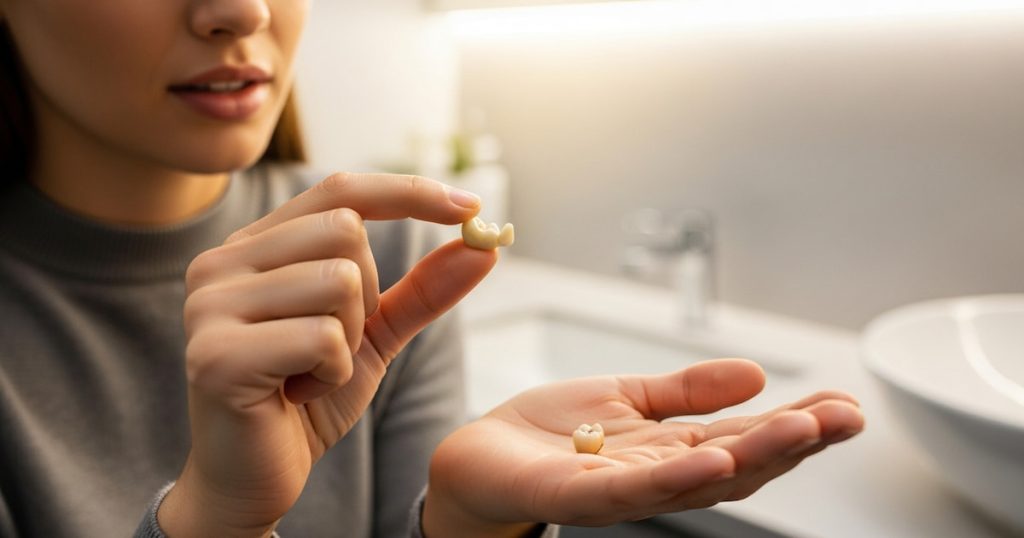
- Crown Failure or Loss: As the underlying tooth structure weakens due to decay, the crown’s foundation becomes compromised. This can lead to the crown becoming loose, falling off, or fracturing.
- Increased Treatment Complexity: What might have been a simple repair or replacement at an early stage can escalate into a more complex and costly procedure if the underlying tooth is severely damaged.
Think Your Dental Crown Isn’t Sitting Right? Don’t Ignore It
An open margin in a dental crown doesn’t always cause immediate pain, but it can quietly lead to more serious and costly dental issues over time. If you notice signs of an open margin, it’s important not to delay.
Dental Crown Open Margin Treatment Options
The approach to fix an open margin crown depends on several factors, including the size of the gap, the extent of any underlying decay, and the overall health of the tooth. Your dentist will conduct a thorough examination, often including X-rays, to determine the best course of action.
Crown Repair
In very specific, minor cases, a small open margin might be repairable. This typically involves using a dental bonding material to seal the small gap. This method is usually considered a temporary solution, or for very superficial issues, as it may not provide the long-term, durable seal of a perfectly fitted crown. The effectiveness of a repair depends heavily on the specific circumstances and the longevity of the bonding material.
Crown Replacement
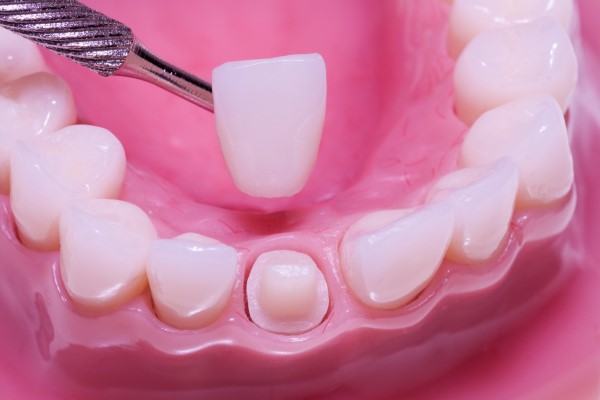
For most significant open margins, especially those with underlying decay, crown replacement is the recommended and most effective solution. This involves:
- Removing the Old Crown: The existing crown is carefully removed.
- Assessing and Treating the Tooth: Any decay or damage to the underlying natural tooth is thoroughly cleaned and treated. This might involve additional tooth preparation.
- New Impression: A new, precise impression of the prepared tooth is taken. This ensures the new crown will have an accurate, sealed fit.
- Fabricating and Cementing a New Crown: A new crown is fabricated in a dental lab, designed to fit perfectly. Once ready, it is cemented onto the tooth, creating a tight, protective seal.
The choice between a repair and a replacement of the crown is always made in consultation with your dentist, considering the long-term health and stability of your tooth.
Preventing Dental Crown Open Margins
While some factors are beyond your control, there are steps you and your dentist can take to prevent dental crown open margins:
- Choose an Experienced Dentist: A skilled and experienced dentist is crucial for proper tooth preparation and accurate impressions, which are foundational for a well-fitting crown.
- High-Quality Materials and Lab Work: Ensuring the use of quality materials and reputable dental labs contributes significantly to the precision and durability of your crown.
- Maintain Excellent Oral Hygiene: Regular and thorough brushing and flossing, especially around your crowns, helps prevent gum recession and decay that could expose margins.
- Regular Dental Check-ups and Cleanings: Routine visits allow your dentist to monitor your crowns, detect any issues like an open margin early, and address them before they become serious.
- Address Bruxism: If you grind or clench your teeth, discuss this with your dentist. A night guard can protect your crowns and natural teeth from excessive forces that could compromise crown integrity.
- Follow Post-Procedure Care Instructions: Adhering to your dentist’s advice after a crown placement, such as avoiding hard or sticky foods initially, can help ensure proper cementation and initial stability.
Conclusion
A dental crown open margin is a significant issue that demands attention. While dental crowns are designed to be durable and long-lasting, an open margin compromises their protective function, opening the door to decay, infection, and further dental problems. Recognizing the signs and understanding the risks are the first steps toward protecting your oral health.
If you have a dental crown and suspect an open margin, or if it’s simply time for a routine check-up, don’t hesitate to contact us. Our team at Woodbridge Smile Centre is dedicated to providing comprehensive and compassionate dental care to patients across Toronto. We can accurately diagnose any issues with your crowns and recommend the most effective treatment to restore your smile and protect your oral health for years to come.
FAQ
Can an open margin crown be painful?
Yes, an open margin crown can definitely cause pain. The exposed tooth structure can lead to sensitivity to temperature and pressure. If decay develops underneath, the pain can become more severe, potentially indicating an infection in the tooth’s pulp.
How long does it take to fix an open margin crown?
If a minor repair is possible, it might be done in a single appointment. However, if a crown replacement is needed, it typically involves two appointments: one for removing the old crown, treating the tooth, and taking impressions, and a second appointment a week or two later to place the new, custom-fabricated crown.
Is an open margin always visible?
No, an open margin is not always visible to the naked eye. Sometimes the gap is microscopic, or it might be located below the gum line, making it undetectable without a dental examination and X-rays. This is why regular check-ups are so important.
Can a crown with an open margin last a long time?
While a crown with a small, unaddressed open margin might remain in place for some time, it is highly susceptible to decay and other issues. Its longevity will be significantly compromised compared to a properly sealed crown, and it will likely lead to further dental problems over time.