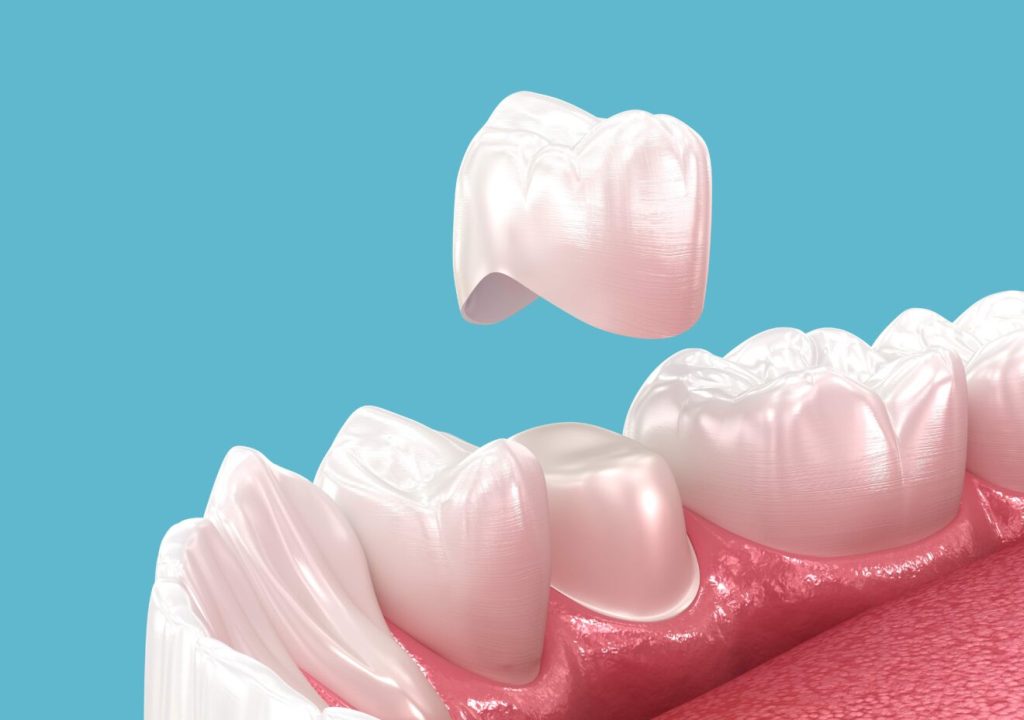
Dental crowns can be really useful when you want to restore the strength and appearance of your teeth, especially after having a root canal. They cover the whole tooth, unlike veneers, which are only applied to the front surface. Sometimes a dental crown falls off due to trauma, poor fit, or eating hard foods. Let’s dive deeper into why they may fall off, what to do, and what not to do in these situations.
Why a Dental Crown May Fall Off
Before learning some tips about temporary fixes and tooth protection, let’s see some of the reasons it can happen:
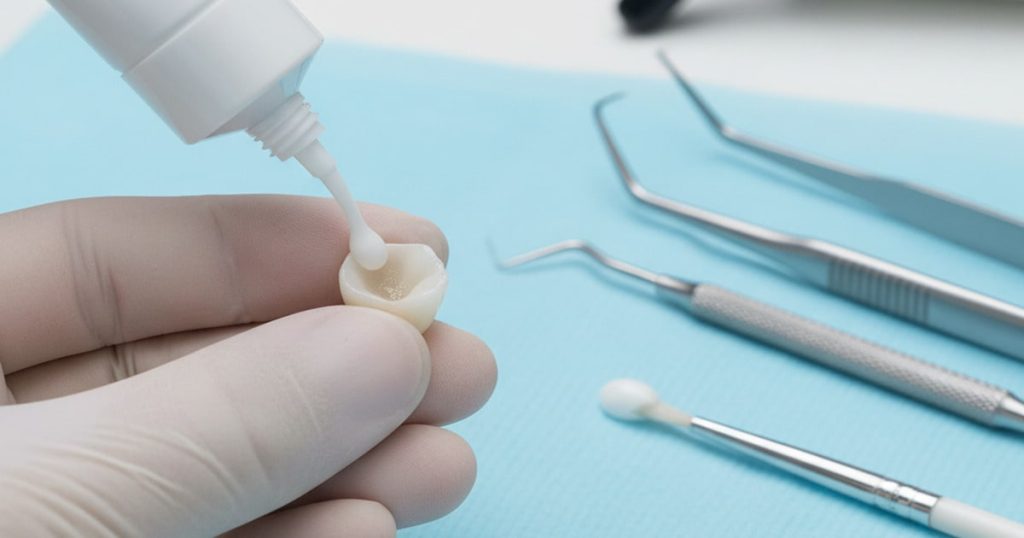
- Weak dental cement: Chewing hard and saliva can gradually weaken the adhesive, leading to the fall of dental crowns.
- Poor fit: If the crown does not fit properly, it does not seal completely and is more likely to fall off later.
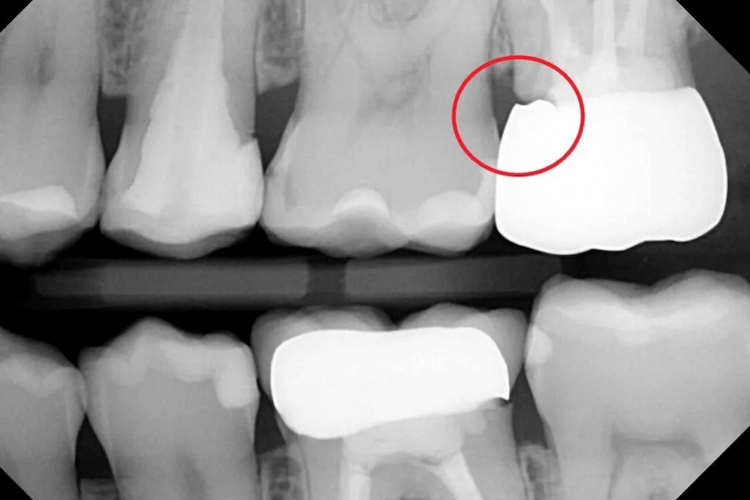
- Tooth decay: when the tooth under the crown decays, it weakens the support and the cement that hold it in place.
- Physical trauma or grinding: A direct trauma to your mouth, grinding, and clenching your teeth hard can loosen dental crowns.
- Eating hard or sticky foods: If you bite on hard foods, it can damage your dental crown. Sticky foods also pull on the crown and can loosen it.
- Gum disease: Some gaps might form around the crown, leaving a place for bacteria and resulting in damaged cement.
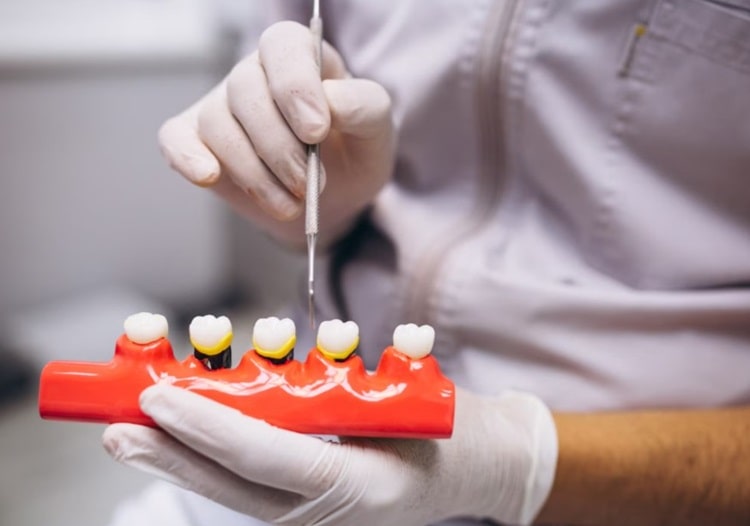
Immediate Steps to Take if Your Crown Falls Off
When your dental crown falls off, it’s essential to remain calm, protect your tooth, and use some temporary fixes until dental care is available:
1- Stay Calm
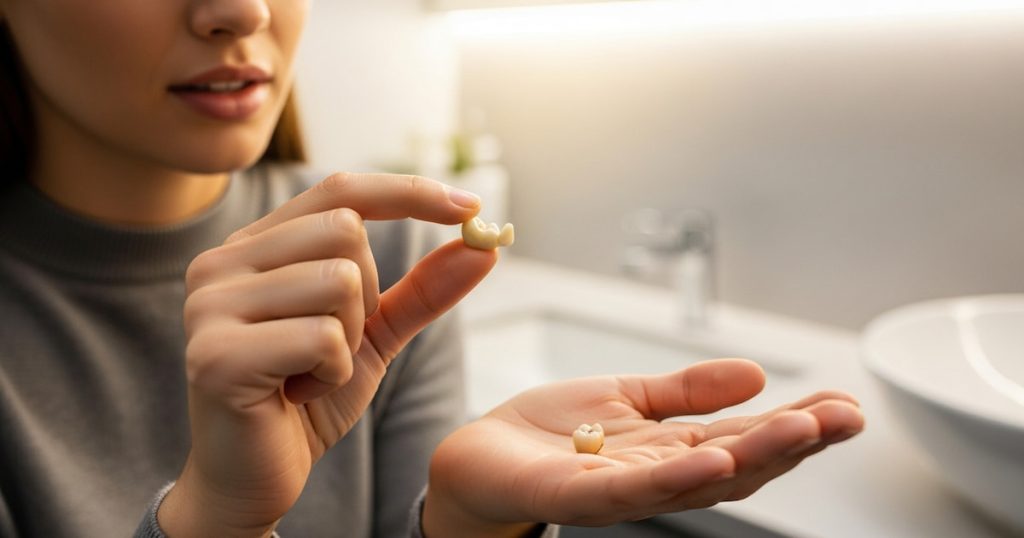
Don’t panic! Even if you have lost a dental crown, it’s usually not life-threatening, but it needs attention. Try to keep an eye on bleeding, pain, or exposed tooth damage, and contact your dentist immediately if it’s severe.
2- Retrieve the Crown
Remember not to swallow or get rid of the crown! Try to find it and look closely for any kind of damage, like cracks or chips. Rinse it with clean water and store it in a clean, dry container to take it to the dentist.
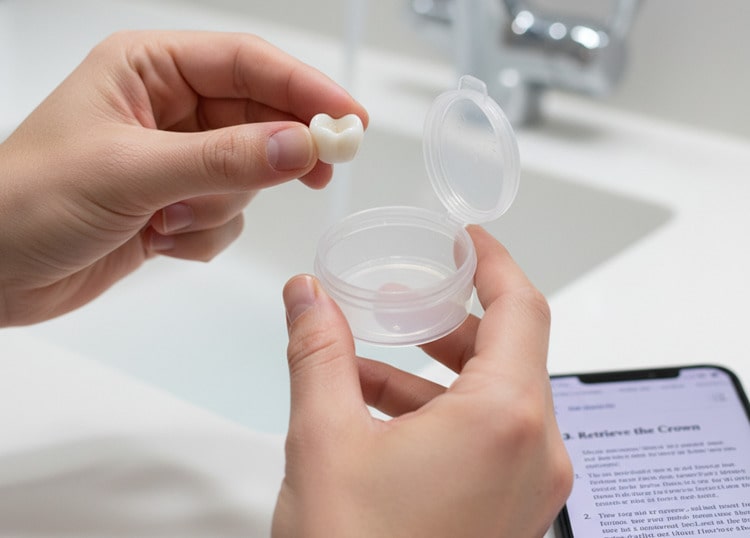
3- Protect the Tooth
Rinse your mouth with warm water or salt water to get rid of debris and reduce the risk of infection. You can brush gently around the exposed tooth, but be extra careful about the exposed area. Avoid hard and sticky foods, and don’t chew on the affected side.
4- Contact Your Dentist
Contact your dentist as soon as possible, tell them about the situation and the symptoms, and receive professional repair or replacement. Try to do everything your dentist tells you, and book an emergency appointment if necessary.

Has Your Dental Crown Fallen Off, and Don’t Know What to Do?
We’re here to help! Our dentists in Woodbridge offer same-day repairs using CEREC technology and expert care. Contact us now to protect your teeth and restore your smile!
What Not to Do When a Crown Falls Off
Sometimes, small actions can cause further damage or other complications to your crown. If you know what to avoid, you can prevent these issues. Here, we highlight what not to do:
- Don’t ignore it because it can lead to more serious problems, like gum disease, tooth fractures, and infection.
- Don’t leave the crown in your mouth and store it immediately to reduce the risk of swallowing or aspirating.
- Don’t skip oral hygiene because gentle brushing and rinsing can prevent further decay and infection.
- Don’t use your teeth as tools. Don’t do risky actions like biting objects or opening bottles, because it can harm the structure of the tooth.
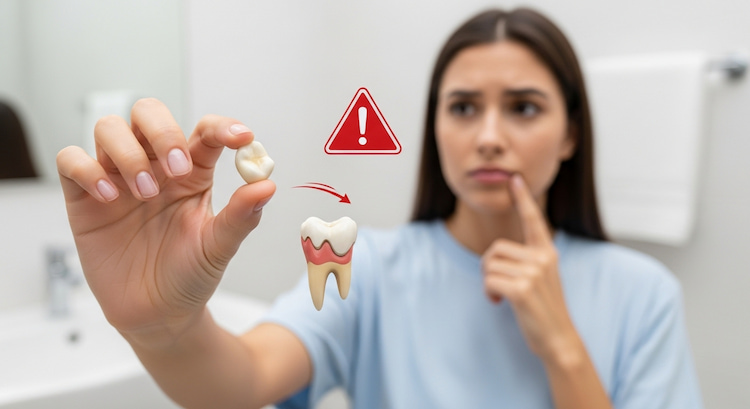
Check out Dental Crown Alternatives to know some other things that can replace dental crowns.
What Affects the Durability of Dental Crowns
Some factors play important roles when it comes to the strength of different types of dental crowns. Crown materials can be the most important factor. For example, metal crowns are the most durable, but all-ceramic, porcelain, or composite crowns are less durable. Excessive friction and pressure between the surfaces of these crowns reduce their durability. The quality of the dental work, your oral hygiene habits, and lifestyle factors such as teeth grinding, chewing hard foods, or smoking are other effective factors.
When to See an Emergency Dentist
You should visit a dentist if a dental crown falls off and can be reattached temporarily. Also, keep an eye on severe pain under the crown, sharp edges on the exposed tooth or crown, and inflammation of the gums. Consider emergency dental care if you see visible cracks or breaks to the crown, bad taste or bad breath coming from the crown area, difficulty swallowing, or signs of infection.
Want to know how much dental crowns cost? Visit Dental Crowns Costs to get more information about the prices.
Get Your Dental Crown Fixed Today!
I know! Dental crowns can make your grin much more beautiful and enhance the strength of your teeth, but you also need to be aware of when a dental crown falls off and take necessary action. If you are looking for crowns made by CEREC technology with precision and efficiency, Woodbridge Smile Centre offers same-day restoration of damaged teeth while making the process easy and comfortable. You can book an appointment at Woodbridge CEREC Crown.
FAQ
How long can I go if my crown falls off?
It’s usually recommended to visit a dentist as soon as possible when a dental crown falls off, but you can wait for a few days to a week with proper care.
What does a dentist do when a crown falls off?
The dentist will examine the fallen crown and the exposed tooth, clean the old dental cement, and reattach the crown if it’s in good condition.
Can I brush my teeth if my crown fell off?
Yes, you can definitely brush your teeth, but remember to do it gently to avoid irritation and further damage.
What to avoid when the crown falls off?
Avoid chewing on the affected side, don’t ignore the problem, avoid household adhesives, don’t swallow the crown, avoid vigorous brushing, and don’t delay dentist appointments.
Did your crown fall off? Contact Woodbridge Smile Centre today for prompt, expert care for patients in Woodbridge and Vaughan.