
TMJ Treatment in Woodbridge, ON
Jaw pain, headaches, and constant clicking when you chew can slowly take over your day. However, there are many ways you can solve this issue. At Woodbridge Smile Centre, we help patients find practical, personalized TMJ treatment in Woodbridge that relieves pain and improves jaw function.
Book Your Dental Appointment
What Is TMJ Disorder (TMD)?
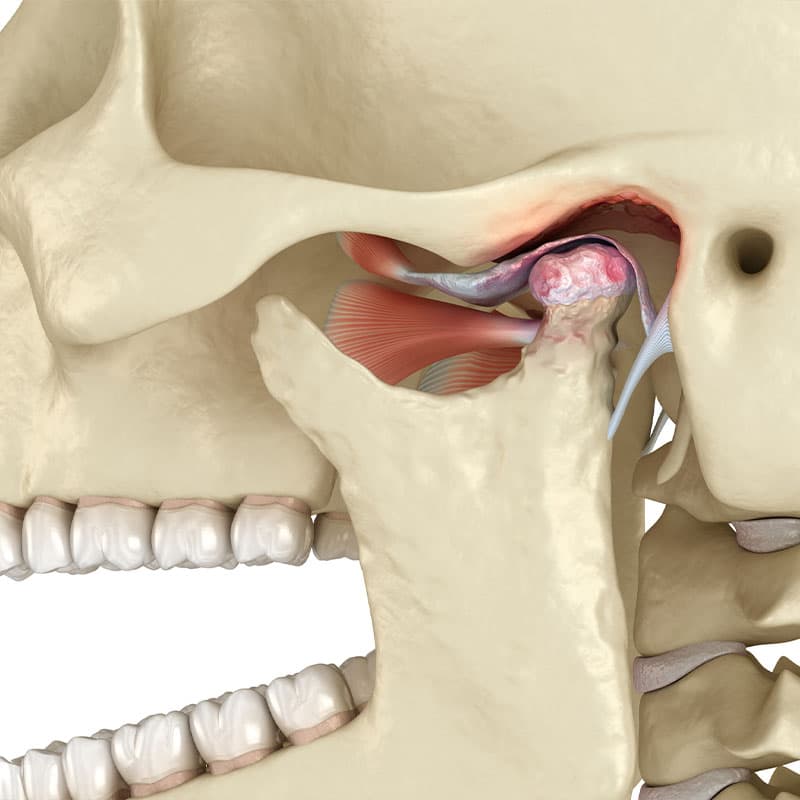
Your TMJ, or temporomandibular joint, is the small joint that connects your jaw to your skull and helps you speak, chew, yawn, and move your mouth every day. When this joint becomes strained, inflamed, misaligned, or overworked, it can lead to a condition called TMD (temporomandibular disorder).
Many people casually call it “TMJ,” even though TMJ technically refers to the joint itself, and TMD refers to the disorder affecting it. In real life, however, the terms are often used interchangeably.
The condition can develop gradually from stress, teeth grinding, bite problems, jaw clenching, or even injury, and over time, simple things like eating or talking may become uncomfortable.
Common Symptoms of TMJ Disorder
TMJ problems can show up in different ways, and sometimes the symptoms may not immediately seem connected to your jaw at all. Here are the symptoms to keep an eye on:
- Jaw pain or tenderness
- Clicking, popping, or grinding sounds when opening the mouth
- Frequent headaches or migraines
- Ear pain, pressure, or ringing in the ears
- Difficulty chewing or discomfort while eating
- Jaw locking or limited mouth opening
- Facial pain around the cheeks or temples
- Neck and shoulder tension related to jaw clenching
TMJ Treatment Methods
At Woodbridge Smile Centre, we provide several non-surgical TMJ treatment options and plan each approach based on your symptoms, bite pattern, and overall jaw function.
Custom Night Guards and Oral Appliances
For many patients, TMJ discomfort becomes worse at night because of unconscious grinding or clenching. A custom-made night guard reduces pressure on the jaw joint and protects the teeth from wear. These are different from store-bought guards in the way that they’re shaped specifically for your bite, so they feel more comfortable and stay securely in place.
Most patients adjust to wearing them within a short time and begin noticing less jaw tension, fewer morning headaches, and more comfortable sleep over time.
Bite Adjustment and Restorative Care
In some cases, an uneven or misaligned bite places extra stress on the jaw joints and the surrounding muscles. When certain teeth meet incorrectly, the jaw may constantly compensate during chewing and speaking.
To treat this issue, we recommend restorative treatments such as adjusting bite surfaces, repairing damaged teeth, or replacing missing teeth. They can improve balance and reduce ongoing strain on the TMJ.
The Connection Between TMJ and Teeth Grinding (Bruxism)
Bruxism and teeth grinding mean the same thing, and they often go hand in hand with TMJ disorder. Many people grind or clench their teeth during sleep without realizing it, which puts repeated pressure on the jaw joints and nearby muscles night after night. Over time, this can lead to jaw soreness, worn teeth, headaches, and increased joint inflammation.
At the same time, existing TMJ problems can also make grinding worse because the jaw muscles are already under stress. That’s why treating bruxism often becomes an important part of improving TMJ symptoms as well.

How TMJ Disorder and Sleep Apnea Are Connected
The jaw position affects how open the airway remains during sleep. When the jaw muscles are tense or the lower jaw sits too far back, it may restrict the airway and cause nighttime clenching and sleep apnea. It can also increase pressure on the jaw joints.
As a result, some patients experience both TMJ symptoms and sleep-related breathing issues at the same time, which is why our team can evaluate both conditions together when needed.
Why Woodbridge Patients Trust Woodbridge Smile Centre for TMJ Care
TMJ symptoms can be frustrating because they affect everyday activities that most people never think twice about, such as eating, talking, laughing, or even waking up without pain. TMJ treatment works best when patients feel heard, especially because jaw pain, headaches, clenching, and facial tension can all be connected in ways that are not always obvious at first.
At Woodbridge Smile Centre, we spend some time understanding how your symptoms started, what habits may be contributing to them, and how your bite and jaw function work together. Instead of jumping straight to one solution, our team looks at the bigger picture so treatment is more practical and realistic for your lifestyle. Dr. Aryan Rezaeifar has more than a decade of experience in restorative and comprehensive dentistry and uses modern dental technology to provide minimally invasive care for TMJ disorders.
Located on Major MacKenzie Drive in Vaughan, the clinic welcomes patients from across Woodbridge, Maple, Kleinburg, and nearby communities who are looking for practical solutions for long-term jaw relief.



Dr. Aryan Rezaeifar, D.D.S. provides TMJ treatment at Woodbridge Smile Centre with a thorough, evidence-based approach to diagnosing and relieving temporomandibular joint dysfunction. With over ten years of clinical experience in restorative and neuromuscular dentistry and membership in both the Royal College of Dental Surgeons of Ontario (RCDSO) and the Ontario Dental Association (ODA), Dr. Rezaeifar employs targeted TMJ therapies such as occlusal splints, bite correction, and muscle relaxation protocols to reduce jaw pain, headaches, and joint stress while restoring comfortable, functional bite alignment.
EXCELLENTTrustindex verifies that the original source of the review is Google. I love everything about this place, i have a customersince 2019, I moved to newmarket but I still travel down for my appointment. Nicki is the best I love her so much, nice receptionist. The dr is so nice. It was a great experience for me and my kids . I recommend this place.Posted on GoogleTrustindex verifies that the original source of the review is Google. Friendly. They remember you so you are more than just a number. On timePosted on GoogleTrustindex verifies that the original source of the review is Google. Great job cleaning my teeth today. The dental hygienist was so gentle it was a great visit.Posted on GoogleTrustindex verifies that the original source of the review is Google. Everyone who works there is amazing !! I would recommend going to this dentist if you want personal servicePosted on GoogleTrustindex verifies that the original source of the review is Google. It was my first time going to Woodbridge smile centre yesterday for a teeth cleaning, my sister recommended the spot to me. The staff is super friendly and it’s amazing that they’re open on a Saturday. Nicki was super helpful with booking my appointment. See you again in six months :)Posted on GoogleTrustindex verifies that the original source of the review is Google. Excellent dentist and amazing staff! Everyone was friendly, professional, and made me feel comfortable throughout my visit. Dr. Rita Calotti was knowledgeable, thorough, and took the time to explain everything clearly. Highly recommend!Posted on GoogleTrustindex verifies that the original source of the review is Google. I had an excellent experience in this dental office today. Dr Aryan Rezaeifar is professional, caring, and very knowledgeable. The entire staff is friendly, welcoming, and always makes me feel comfortable during my visits. Excellent care and outstanding customer service. I highly recommend them to anyone looking for a great dental team! Elahe SoleimaniPosted on GoogleTrustindex verifies that the original source of the review is Google. Several friends recommended Dr. Arian to us, and they were absolutely right. After taking my father to see him, I couldn't be happier with the experience
Frequently Asked Questions
Can TMJ Disorder Cause Headaches and Ear Pain?
Yes, it can. Because the jaw joints and muscles are closely connected to the head, neck, and ears, TMJ problems often create symptoms that feel like tension headaches, migraines, earaches, ear pressure, or even ringing in the ears.
How Long Does TMJ Treatment Usually Take?
TMJ treatment timelines depend on the cause and severity of the condition. Some patients notice improvement within a few weeks of wearing a custom night guard, while others may need longer-term care to address bite alignment, muscle tension, or grinding habits. The goal is usually gradual, lasting improvement rather than a quick, temporary fix.
Is TMJ Treatment Covered by Insurance in Ontario?
Coverage depends on your insurance provider and the type of treatment recommended. Some dental insurance plans may partially cover custom oral appliances or restorative procedures related to TMJ care. Our team can help review your benefits and explain expected costs before treatment begins.