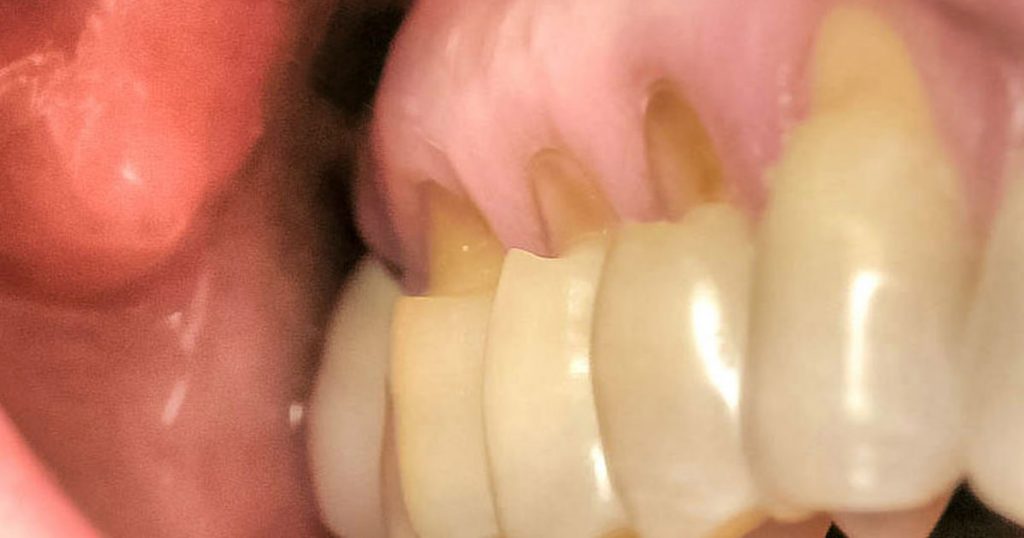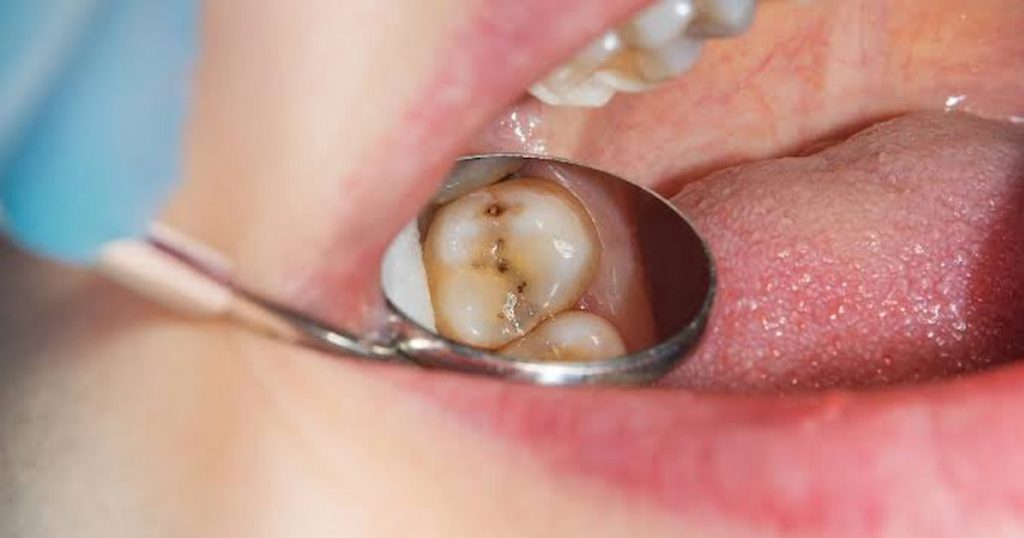
Early cavity detection refers to finding tooth decay before it causes significant damage, dental pain, or infection. Dentists use visual examinations, digital X-rays, and other diagnostic tools to identify areas where decay is beginning.
Understanding how dentists detect cavities, the warning signs to watch for, and the steps you can take to reduce your risk can help protect your oral health and avoid unnecessary complications.
How Dentists Perform Early Cavity Detection
Modern dental examinations involve much more than simply looking for visible holes in the teeth. Dentists use a combination of clinical evaluations and diagnostic technology to identify hidden signs of decay.
Visual Examination
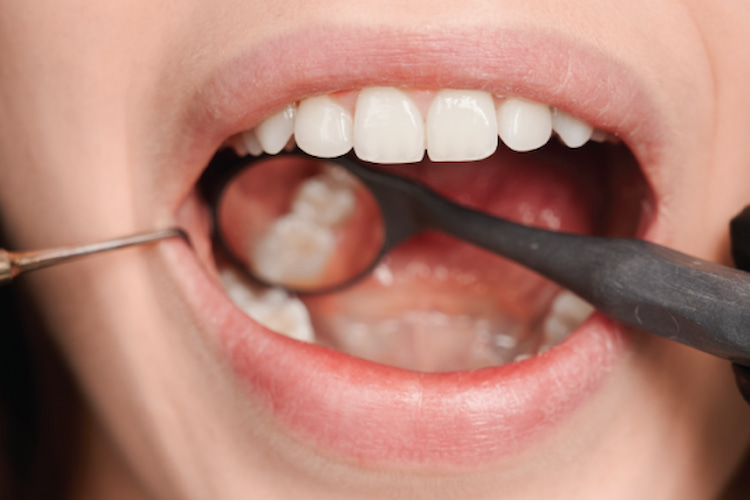
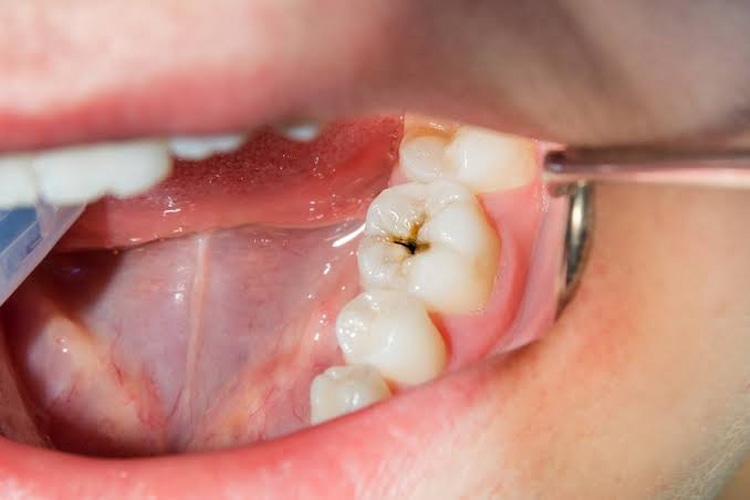
A visual examination remains one of the most important components of cavity detection. Dentists carefully inspect all tooth surfaces for discoloration, changes in texture, weakened enamel, and other signs of developing decay. Areas around existing dental fillings, dental crowns, and dental restorations also receive close attention.
Dental Mirrors and Diagnostic Instruments
Dental mirrors help dentists examine areas that may be difficult to see directly. Special instruments allow dentists to evaluate suspicious areas and determine whether additional investigation is needed.
Reviewing Medical and Dental History
Previous cavities, oral hygiene habits, dietary patterns, and certain medical conditions can influence the risk of cavities. Understanding a patient’s history helps dentists identify individuals who may require closer monitoring.
Learn more about tooth decay, its causes, symptoms, and treatment options in this detailed NHS guide.
Advanced Technology Used for Early Cavity Detection
Modern dental technology helps dentists detect cavities earlier than ever. Specialized tools and imaging systems help dentists identify these hidden problems before they develop into larger cavities.
Digital Dental X-rays
Digital X-rays allow dentists to see parts of the teeth that cannot be viewed during a visual examination. They are especially useful for cavity detection between teeth, under old fillings, and in other hidden areas.
Bitewing X-rays
Bitewing X-rays are one of the most common tools used for cavity detection. They provide a clear view of the spaces between the upper and lower teeth, where decay often develops without causing symptoms. These X-rays can reveal small cavities that might otherwise go unnoticed.
Intraoral Cameras
An intraoral camera is a small camera that takes close-up pictures of the inside of the mouth. The images appear on a screen, allowing both the dentist and patient to see areas of concern more clearly. This can help patients better understand their oral health and any treatment recommendations.
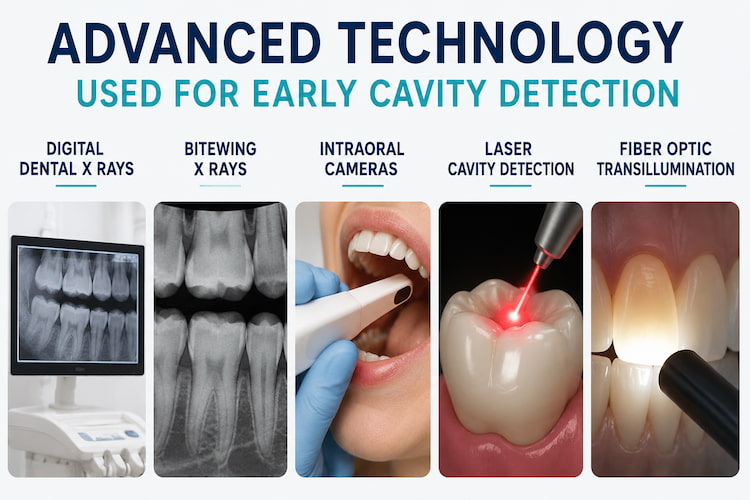
Laser Cavity Detection
Some dental offices use laser technology to help identify early signs of tooth decay. The laser can detect changes within the tooth that may not be visible during a regular examination. This may help dentists find developing cavities at an earlier stage.
Fiber Optic Transillumination
This technology uses a bright light that shines through the tooth. Healthy tooth structure and areas affected by decay allow light to pass through differently. This can help dentists identify hidden cavities, particularly between teeth, without relying solely on X-rays.
Learn more about the benefits of routine checkups in our article on the Importance of Regular Dental Examinations.
Early Signs of Tooth Decay You Should Not Ignore
Although cavities often begin without symptoms, certain warning signs can appear as decay progresses:
- White Spots on Teeth: White spots are often one of the earliest visible signs of enamel demineralization. These areas indicate mineral loss and should be evaluated by a dentist.
- Tooth Sensitivity: Sensitivity to cold drinks, hot foods, sweets, or temperature changes may indicate enamel damage or developing decay.
- Brown or Dark Areas: Discoloration can sometimes signal cavity formation. Not all stains indicate decay, but any unusual color change should be assessed by a professional.
- Food Frequently Getting Stuck: If food repeatedly becomes trapped in a particular area, a cavity or structural change may be present.
- Persistent Bad Breath: Bacteria associated with tooth decay may contribute to chronic bad breath despite regular brushing.
Who Is More Likely to Develop Cavities?
Although anyone can develop tooth decay, certain individuals face a higher risk:
Children and Teenagers: Young patients may have difficulty maintaining consistent oral hygiene habits. Developing teeth can also be more vulnerable to decay.
Patients With Dry Mouth: Saliva helps wash away food particles and neutralize acids. Reduced saliva production increases the risk of cavities because the mouth loses some of its natural protective mechanisms.
Patients With Previous Cavities: A history of cavities often indicates a higher risk of future decay. These patients may benefit from more frequent monitoring.
Orthodontic Patients: Braces and other orthodontic appliances create additional surfaces where plaque can accumulate. Careful cleaning becomes especially important during orthodontic treatment.
Individuals With Frequent Sugar Consumption: Frequent snacking and sugary drinks provide bacteria with a constant energy source, increasing acid production throughout the day.
Learn practical ways to maintain a healthy smile with these expert teeth cleaning tips and simple daily habits that help prevent plaque buildup, cavities, and gum disease.
How to Reduce Your Risk of Cavities
Preventive care remains one of the most effective ways to protect your teeth. Helpful habits include:
- Brushing twice daily with fluoride toothpaste
- Flossing every day
- Attending regular dental examinations
- Scheduling professional dental cleanings
- Drinking water throughout the day
- Limiting sugary foods and beverages
Early Cavity Detection in Woodbridge!
Contact Woodbridge Smile Center to schedule a dental examination and learn more about protecting your teeth from preventable damage.
Book an appointment today!
Early Cavity Detection Can Prevent Serious Tooth Damage
Early cavity detection plays a crucial role in protecting your teeth before decay can spread deeper into the tooth structure. When cavities are identified early, treatment is usually simpler, less invasive, and more affordable.
Small areas of decay can often be managed with preventive care, fluoride treatments, or minor fillings before they develop into more complex dental problems that require extensive restorative work such as crowns, root canal treatment, or tooth extractions.
At Woodbridge Smile Center, we focus on early diagnosis and preventive dentistry to help patients maintain strong, healthy teeth for life. Our services include dental examinations, professional cleanings, digital X-rays, fluoride treatments, restorative dentistry, dental fillings, and emergency dental care in Woodbridge & Vaughan.
FAQ
Can dentists detect cavities before they hurt?
Yes. Many cavities can be identified during routine examinations and dental X-rays before symptoms develop.
Do all cavities cause pain?
No. Early cavities often develop without any discomfort. Pain typically occurs when decay reaches deeper layers of the tooth.
Can a cavity go away on its own?
Once a physical cavity forms, professional treatment is usually necessary. Early demineralization may sometimes be managed through remineralization and preventive care.
Are dental X-rays used for cavity detection safe?
Dental X-rays use very low levels of radiation and are an important diagnostic tool for identifying hidden dental problems.
How long does it take for a cavity to form?
The timeline varies based on oral hygiene, diet, saliva production, and individual risk factors. Some cavities develop relatively quickly, while others progress over several years.
Have Questions About Early Cavity Detection? Leave a comment below with your question.