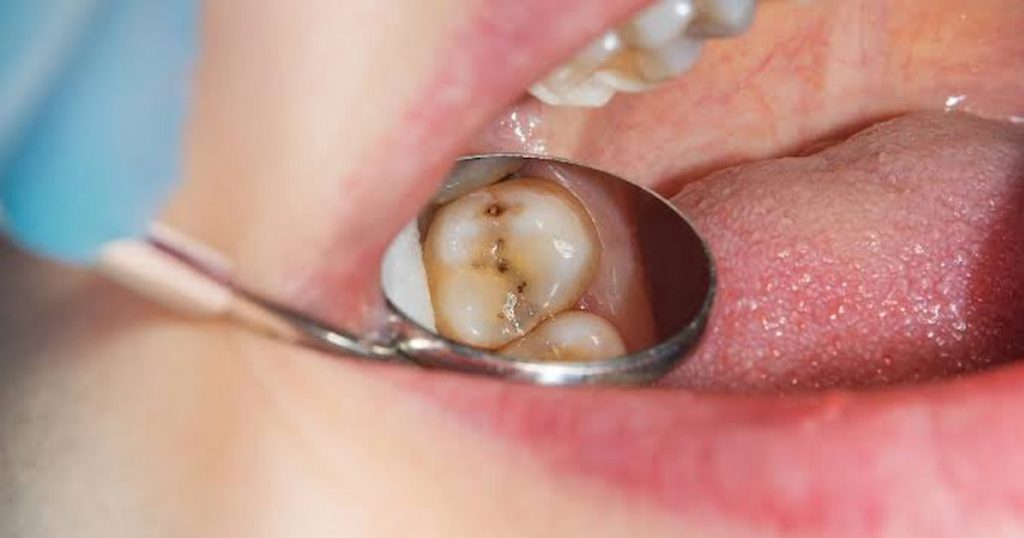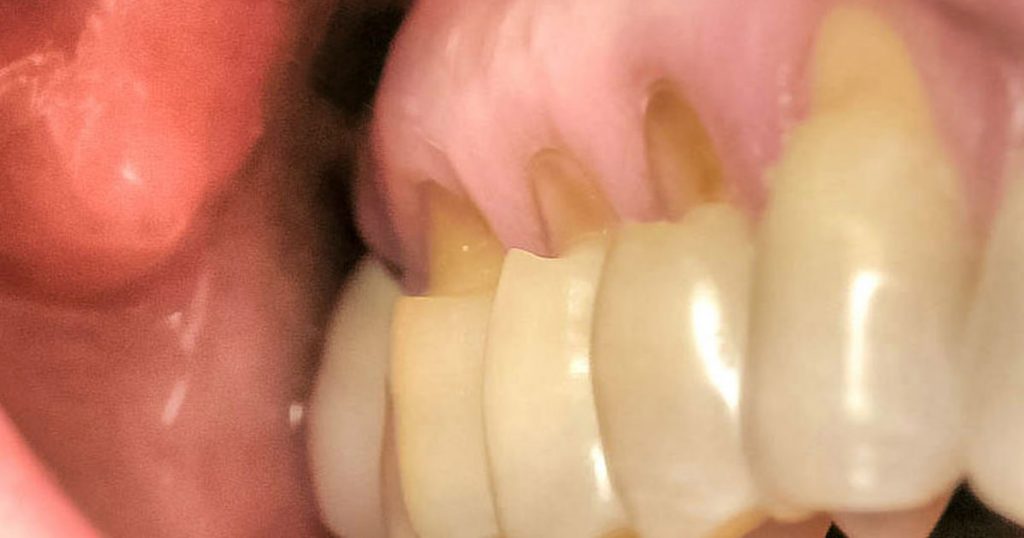
Dental abfraction is when small grooves or notches form near the gumline of a tooth. These are not cavities. They happen because of pressure on the teeth over time. When you bite, chew, or grind your teeth, some areas take more force than others. This repeated pressure slowly weakens the outer layer of the tooth (enamel).
As the enamel wears down, the inner layer becomes exposed. This can make your teeth sensitive to cold, heat, or brushing. Some people feel pain, while others only notice small changes in how their teeth look.
At Woodbridge Smile Centre, our Woodbridge dentists check for dental abfraction using guidelines from the Royal College of Dental Surgeons of Ontario and the Canadian Dental Association. Finding it early helps prevent bigger problems later.
What Is Dental Abfraction?
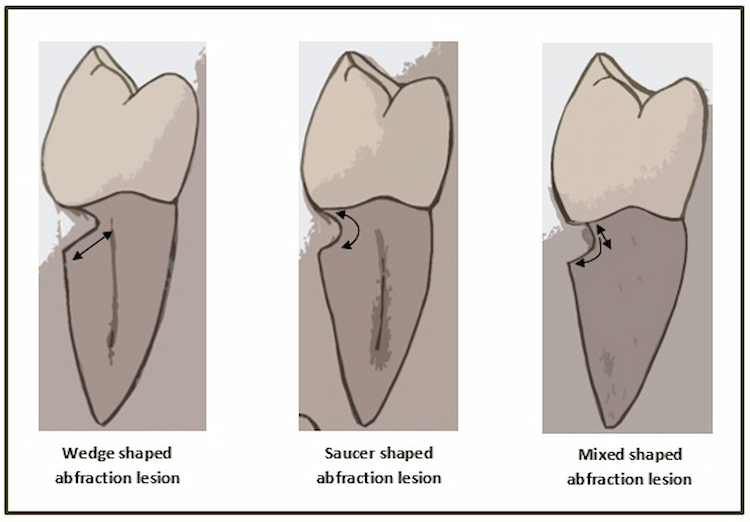
Dental Abfraction is a type of tooth wear that happens at the neck of the tooth, where the tooth meets the gum. It is part of a group of conditions known as Non-carious cervical lesions, which means the damage is not caused by cavities. For a more detailed overview of dental abfraction and how it develops, you can also refer to this guide by Healthline.
Why It Happens
Every time you bite down, your teeth handle strong forces. If these forces are uneven or repeated too often, they can cause stress in certain areas of the tooth. Over time, this stress leads to tiny cracks in the enamel. These cracks slowly grow and form the grooves seen in dental abfraction.
Why the Gumline Is Affected
The gumline area is thinner and less protected than the top of the tooth. Because of this, it is more sensitive to stress and more likely to show early signs of damage. This is why abfraction usually appears near the gums instead of on the chewing surface.
Regular dental visits help detect early signs of tooth wear and prevent more serious problems. Learn more about why preventive care matters in our guide: Top Reasons for Routine Check-Up.
What Causes Dental Abfraction
Dental abfraction usually develops due to a combination of factors. Understanding these causes helps dentists choose the right treatment.
Bite Pressure and Occlusal Stress
Occlusal Stress refers to the pressure placed on teeth when biting or chewing. If your bite is not evenly balanced, certain teeth take more pressure than others. Over time, this repeated stress weakens the tooth structure. Small daily habits can also affect how pressure is distributed on your teeth. Learn what to avoid and how to improve your oral care in our guide.
Teeth Grinding
Bruxism is a common condition where people grind or clench their teeth, often during sleep. This creates strong forces that can speed up the formation of abfraction lesions.
Tooth Brushing Habits
Brushing too hard or using a hard-bristled toothbrush does not directly cause abfraction, but it can make the damage worse. Once the enamel is weakened, aggressive brushing can wear it down faster. Using the right tools can help reduce unnecessary pressure on your teeth. Learn more in our guide: Electric Toothbrush Benefits.
Acid Exposure
Tooth Erosion occurs when acidic foods or drinks weaken the enamel. When enamel is already soft or thin, it becomes more vulnerable to stress-related damage like abfraction.
Good oral hygiene habits can help reduce stress on your teeth and support overall gum health. You can learn more about proper flossing techniques and why they matter.
Signs and Symptoms of Dental Abfraction
The symptoms can vary depending on how advanced the condition is. Some people notice changes early, while others may not feel anything until the damage becomes deeper.
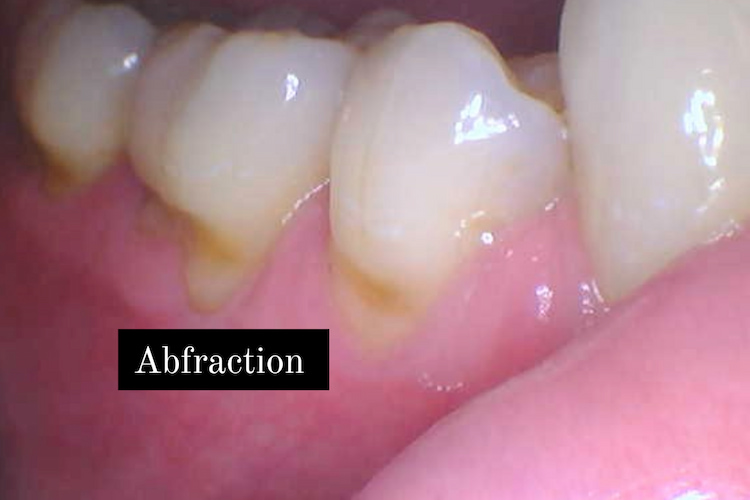
- Tooth Sensitivity: Tooth Sensitivity is one of the most common symptoms. You may feel a sharp pain when eating cold or hot foods or when brushing your teeth. Read this quick guide to know how to manage dental pain until you can visit your dentist.
- Visible Grooves Near the Gumline: You may see small, V-shaped grooves or notches on your teeth. These are often easier to notice on the outer surfaces of the teeth.
- Gum Changes: Gum Recession may occur at the same time, making the affected area more exposed and sensitive.
Dental Abfraction vs Other Types of Tooth Wear
To understand dental wear better, here is a simple comparison of the main types:
| Type of Tooth Wear | Main Cause | Simple Explanation |
|---|---|---|
| Dental Abfraction | Pressure on teeth | Small grooves form near the gumline due to stress from biting or grinding |
| Tooth Abrasion | Hard brushing or friction | Teeth wear down from physical rubbing, often from brushing too hard |
| Tooth Erosion | Acids from food or drinks | Enamel slowly wears away because of acid exposure |
Each type has a different cause, so it’s important to get the right diagnosis for proper treatment.
Why Diagnosis Matters
If the cause is not correctly identified, the treatment may not work. For example, fixing the tooth without addressing grinding can lead to the problem returning.
Protect Your Teeth Before It Gets Worse!
If you notice sensitivity or grooves near your gumline, early treatment can prevent further damage. Woodbridge Smile Centre offers detailed exams and personalized care plans. Schedule your visit today!
Meet Your Doctor
Dr. Aryan Rezaeifar is a trusted dentist at Woodbridge Smile Centre with over 10 years of experience helping patients manage tooth wear conditions like dental abfraction. He focuses on identifying early signs of enamel stress near the gumline and providing gentle, evidence-based treatment to prevent further damage.
With advanced training in restorative dentistry from the Schulich School of Dentistry, University of Western Ontario, and certification from the Royal College of Dental Surgeons of Ontario, Dr. Aryan uses modern techniques such as bonding and protective night guards to restore strength and comfort to affected teeth.
His approach is simple and patient-focused, helping individuals reduce sensitivity, protect their enamel, and maintain a healthy, confident smile.

Treatment Options for Dental Abfraction
Treatment is based on how severe the condition is and what caused it. Dentists focus on both repairing the damage and preventing it from getting worse.
- Monitoring Early Cases: If the damage is small and not causing discomfort, your dentist may simply monitor it during regular check-ups. This helps track any changes over time. Read this guide to know about the importance of regular dental visits for oral health.
- Restoring the Tooth: Dental Bonding or Dental Fillings can be used to rebuild the lost part of the tooth. These treatments protect the tooth and reduce sensitivity.
- Managing Bite Forces: A Night Guard is often recommended for patients who grind their teeth. It reduces pressure and protects the teeth during sleep.
- Reducing Sensitivity: Fluoride Treatment helps strengthen the enamel and reduce discomfort caused by exposed dentin.
Why Early Care Matters for Dental Abfraction
Dental abfraction may start as small grooves near the gumline, but over time, it can lead to sensitivity, enamel loss, and weakening of the tooth structure. Early diagnosis and proper treatment help stop the progression, reduce discomfort, and protect your natural teeth from further damage.
Depending on your condition, treatment may include restorative bonding, fluoride support, or protective night guards to reduce pressure on the teeth. Along with this, we also provide a full range of dental services, including emergency dental care, routine checkups, dental veneers, and Invisalign treatment, all available for patients in Woodbridge and the surrounding Vaughan area.
FAQ
What is dental abfraction?
Dental abfraction is a condition where small notches form near the gumline due to repeated pressure or stress on the teeth. It is not caused by cavities but by long-term mechanical forces.
Is dental abfraction painful?
It is not always painful at first. However, as the enamel wears down and dentin becomes exposed, patients may feel sensitivity to cold, hot, or pressure.
Can dental abfraction get worse over time?
Yes. If the cause of the stress is not managed, the grooves can become deeper and may lead to increased sensitivity and structural weakening of the tooth.
How do dentists treat dental abfraction?
Treatment depends on severity. Options may include dental bonding, fillings, fluoride treatments, or night guards to reduce grinding and pressure on teeth.
Can dental abfraction be prevented?
It can be reduced by managing grinding habits, correcting bite issues, and maintaining regular dental checkups so that early signs can be detected.
Have you experienced tooth sensitivity or noticed changes near your gums?
Leave your question below, and our team will guide you with helpful information.