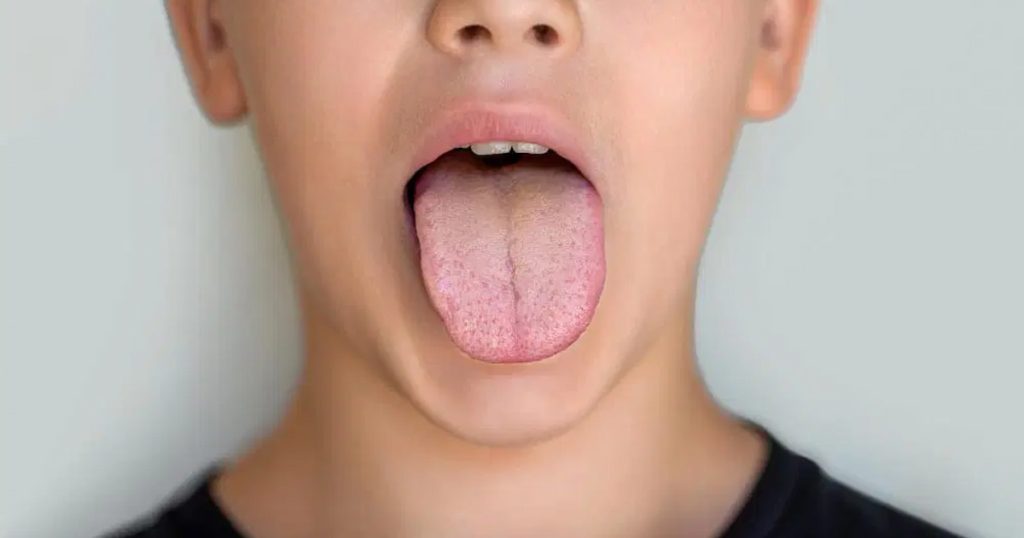
Dry mouth, also known as xerostomia, happens when the mouth does not produce enough saliva. Many people experience temporary dryness from time to time, especially after exercise, illness, or dehydration. However, when dryness becomes frequent or constant, it may affect both comfort and oral health.
Saliva plays an important role in keeping the mouth healthy. It helps clean the teeth, control bacteria, protect the gums, and support chewing and swallowing. Without enough saliva, patients may notice discomfort, bad breath, difficulty eating, or a higher risk of dental problems.
Many people do not realize that chronic dry mouth can lead to tooth decay, gum disease, oral infections, and irritation inside the mouth. In some cases, dry mouth may also be connected to medications, medical conditions, or sleep-related breathing problems.
What Is Dry Mouth?
Dry mouth is a condition caused by reduced saliva production. Some patients notice occasional dryness only at night, while others feel dryness throughout the entire day. Symptoms can range from mild discomfort to ongoing oral health problems.
Saliva is essential for maintaining balance inside the mouth. It protects the teeth and soft tissues while helping patients eat, speak, and swallow comfortably. When saliva levels decrease, bacteria and acids can build up more easily. Dry mouth can affect patients of all ages, but it is more common in older adults and people taking multiple medications.
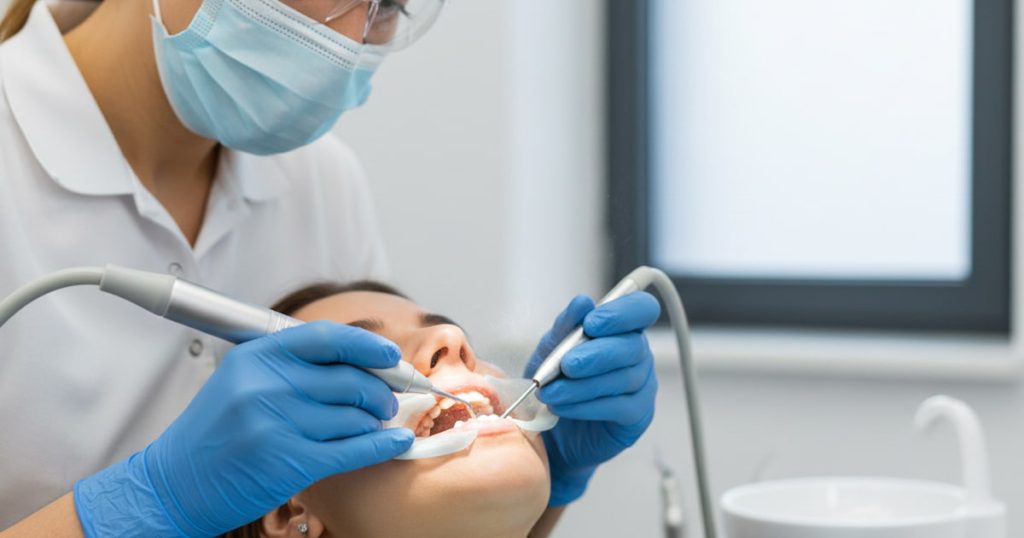
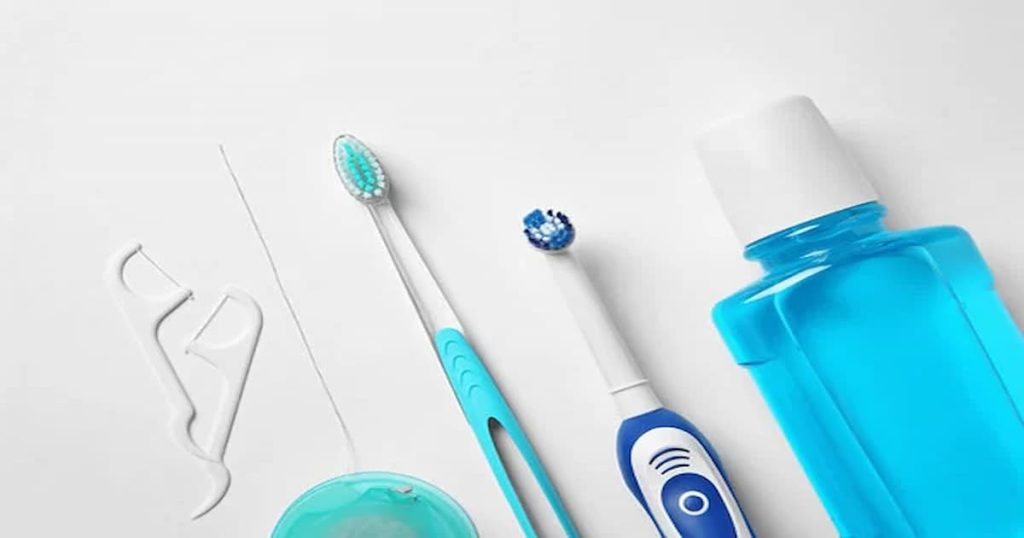
Good daily oral hygiene and regular professional cleanings are especially important for patients with dry mouth because reduced saliva allows plaque and bacteria to build up more quickly. You can also read these practical teeth cleaning tips to help protect your teeth and gums between dental visits.
Why Saliva Is Important?
Saliva does much more than keep the mouth moist. It helps wash away food particles and neutralize acids that can damage enamel. Saliva also supports digestion and keeps oral tissues comfortable.
Patients with low saliva production often experience more plaque buildup and irritation because the mouth loses part of its natural defense system. You can learn more about building healthy daily habits with this guide to a proper dental hygiene routine.
Temporary vs Chronic Dry Mouth
Temporary dry mouth may happen because of stress, dehydration, fever, or certain short-term medications. In many cases, symptoms improve once the underlying cause is resolved.
Chronic dry mouth lasts longer and may continue for weeks or months. Persistent dryness should not be ignored because it may increase the risk of oral health complications over time.
For additional medically reviewed information about xerostomia, its causes, symptoms, and treatment options, patients can also visit this detailed resource from the Cleveland Clinic.
Common Causes of Dry Mouth
Dry mouth can happen for many different reasons. Identifying the cause is one of the most important steps in creating the right treatment plan. Some causes are temporary, while others may require ongoing management and professional dental care.
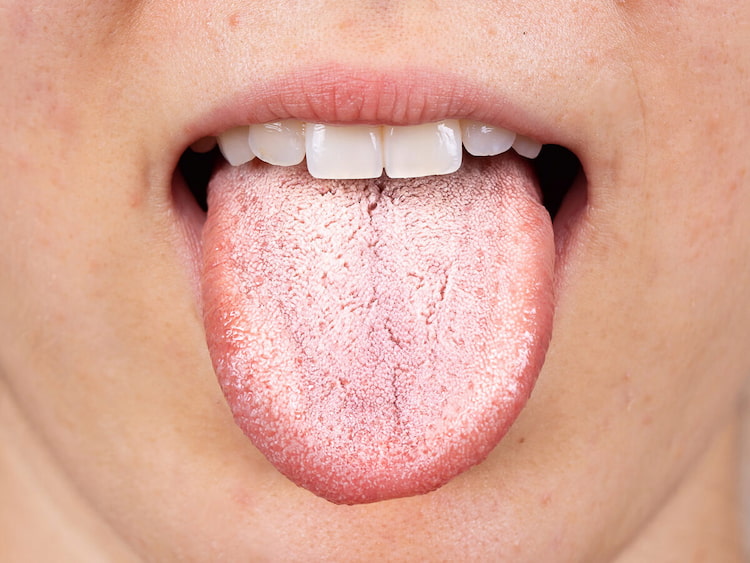
Medications That Can Cause Dry Mouth
Many prescription and over-the-counter medications reduce saliva production as a side effect. This is one of the most common causes of chronic dry mouth. Common medications linked to dry mouth include:
- Antidepressants
- Blood pressure medications
- Antihistamines
- Anxiety medications
- Pain medications
- Muscle relaxants
Patients who take several medications at the same time may experience more noticeable symptoms.
Medical Conditions Linked to Dry Mouth
Certain medical conditions can affect the salivary glands or reduce moisture levels in the body. Conditions such as diabetes and Sjögren’s syndrome are commonly associated with xerostomia.
Cancer treatments involving radiation therapy to the head or neck may also damage salivary glands and reduce saliva flow.
Mouth Breathing and Sleep Problems
Many patients wake up with dry mouth because they breathe through their mouth during sleep. Snoring and sleep apnea may contribute to nighttime dryness.
Long-term mouth breathing may also irritate the gums and increase inflammation inside the mouth.
Dehydration and Lifestyle Habits
Not drinking enough water can reduce saliva production and make symptoms worse. Smoking, alcohol use, and high caffeine intake may also increase dryness and oral irritation.
Lifestyle habits often play a role in both temporary and chronic dry mouth symptoms. Regular dental checkups are important for identifying early signs of dry mouth and preventing complications such as cavities and gum disease.
Symptoms of Dry Mouth
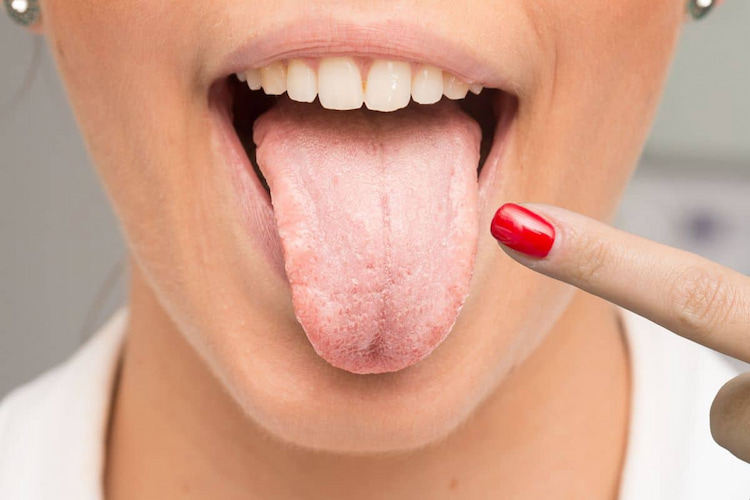
Dry mouth symptoms can develop slowly or appear suddenly, depending on the cause. Some patients experience mild irritation, while others notice significant discomfort that affects daily activities.
Common Symptoms Patients Notice
Many patients describe a sticky or dry feeling inside the mouth. Others notice discomfort when eating or speaking for long periods. Common symptoms include:
- Dry or sticky feeling in the mouth
- Thick saliva
- Bad breath
- Dry lips or cracked corners of the mouth
- Difficulty chewing or swallowing
- Increased thirst
Symptoms may become more noticeable during sleep or after long conversations. Patients experiencing worsening symptoms such as severe tooth pain, swelling, bleeding gums, or signs of infection should seek professional dental care as soon as possible. If urgent treatment is needed, you can learn more about finding an emergency dentist near you.
Don’t Ignore the Signs!
At Woodbridge Smile Centre, patients receive personalized care designed to improve comfort and support long-term oral health. Schedule an appointment to discuss symptoms such as tooth sensitivity or ongoing oral irritation.
Professional Treatment Options for Dry Mouth
Treatment for dry mouth depends on the cause, severity of symptoms, and overall oral health condition. The goal is to improve comfort while protecting teeth and gums from long-term damage. Professional dental care is important because untreated dry mouth can worsen over time.
Prescription Treatments
Some patients benefit from prescription medications such as Pilocarpine or Cevimeline. These medications may help stimulate saliva production in appropriate patients. Treatment decisions should always be made by a qualified healthcare professional.
Preventive Dental Care
Patients with chronic dry mouth often require more preventive care to reduce the risk of cavities and gum disease. Professional preventive care may include:
- Fluoride treatments
- Professional teeth cleanings
- Monitoring for early tooth decay
- Gum health evaluations
- Protective oral care products
Regular dental visits are important for monitoring oral health changes.
Managing Medication-Related Dry Mouth
If dry mouth is linked to medication use, patients may be advised to discuss possible adjustments with their physician. Dentists and physicians often work together to reduce symptoms while maintaining medical treatment goals. Patients should never stop prescription medications without professional guidance.
Meet Our Team at Woodbridge Smile Centre
Dr. Aryan Rezaeifar is a trusted dentist at Woodbridge Smile Centre in Vaughan, Ontario, with over 10 years of experience in cosmetic dentistry, dental implants, and restorative care. Licensed in Ontario since 2015 and a certified member of the Royal College of Dental Surgeons of Ontario, Dr. Aryan is committed to delivering exceptional, patient-centered dental care.
How Dry Mouth Affects Oral Health
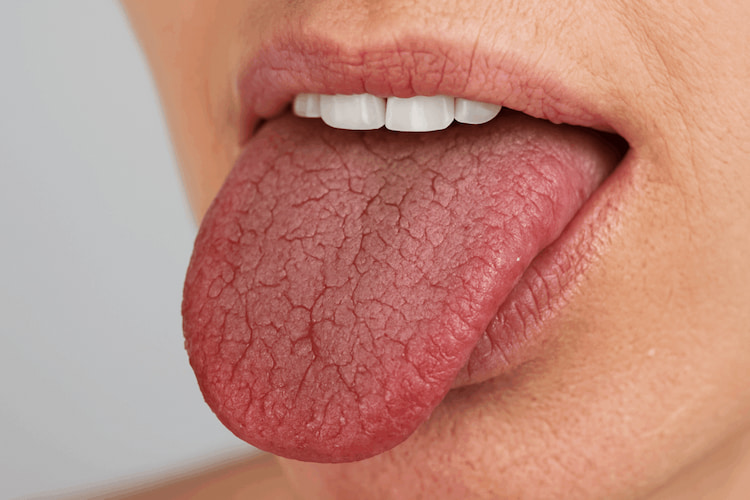
Dry mouth affects much more than comfort. Saliva protects the mouth from bacteria, acids, and inflammation. When saliva production decreases, oral health problems become more common. Without proper dental care, chronic dry mouth may lead to serious dental complications over time.
Increased Risk of Cavities
Saliva helps protect enamel by washing away food particles and reducing acid levels inside the mouth. Low saliva production allows bacteria to remain on the teeth longer. Patients with chronic dry mouth are more likely to develop tooth wear and sensitivity issues over time, including conditions such as dental abfraction, especially along the gumline where enamel is weaker.
Gum Disease and Inflammation
Dry oral tissues are more vulnerable to irritation and plaque buildup. This increases the risk of bleeding gums and Gum disease. Inflamed gums may become uncomfortable and more difficult to keep clean.
Difficulty Eating and Speaking
Severe dryness may make chewing and swallowing uncomfortable, especially when eating dry foods. Some patients also notice changes in speech because the tongue and oral tissues lack lubrication. These symptoms may affect confidence and overall quality of life.
Protecting Your Smile From the Effects of Dry Mouth
Dry mouth may start as a mild, occasional dryness, but over time, it can reduce the mouth’s natural protection and increase the risk of cavities, gum irritation, and discomfort. Since saliva helps clean and protect your teeth, ongoing dryness should not be ignored. Early care helps prevent small symptoms from turning into more serious dental problems.
Treatment focuses on identifying the cause and protecting your oral health through preventive dental care, fluoride support, and ongoing monitoring when needed. At Woodbridge Smile Centre, patients can also access emergency dental care, routine checkups, gum disease treatment, dental crowns, Invisalign, and cosmetic dentistry for families in Woodbridge and nearby Vaughan areas.
Disclaimer: Dry mouth is a clinical condition that should be assessed by a licensed dentist or healthcare professional. If you notice ongoing dryness, sensitivity, frequent cavities, or changes in your oral health, a professional dental evaluation is recommended to identify the cause and guide safe, effective treatment.
FAQ
What is the main cause of dry mouth?
Medications are one of the most common causes of dry mouth. Medical conditions, dehydration, mouth breathing, and certain medical treatments can also reduce saliva production.
Can dry mouth damage teeth?
Yes. Reduced saliva increases the risk of cavities, enamel damage, gum disease, and oral infections.
Is dry mouth worse at night?
Many patients notice worse symptoms during sleep because saliva production naturally decreases at night. Mouth breathing and sleep apnea may also contribute.
Can stress cause dry mouth?
Stress and anxiety may temporarily reduce saliva flow in some patients, especially during stressful situations.
Have you experienced symptoms such as constant thirst, bad breath, or waking up with a dry mouth?
Share your questions or concerns, and our team will help guide you toward the right dental care options.