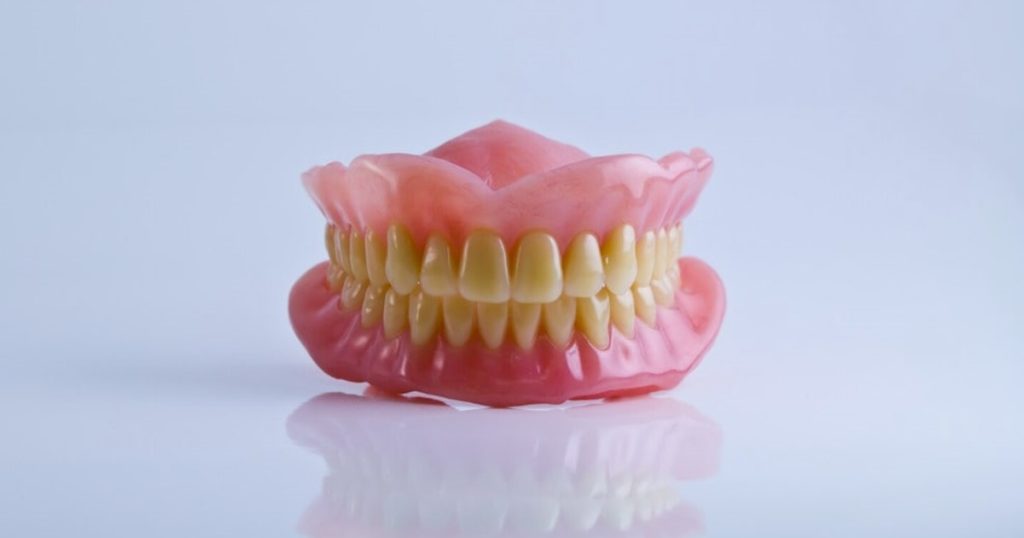
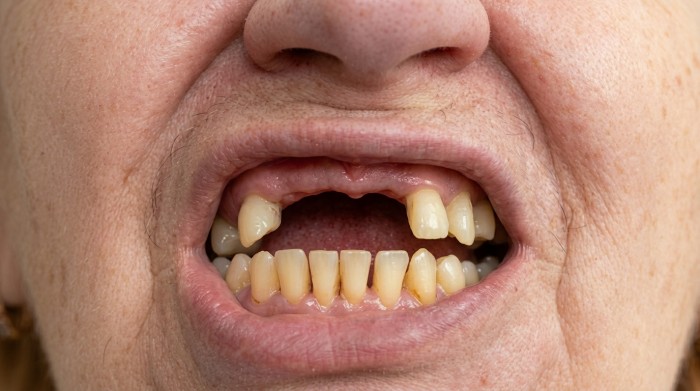
Missing upper teeth can affect how you chew, speak, and feel about the appearance of your smile, especially when the gap is near the front. Flexible partial dentures for upper teeth offer a removable alternative to traditional acrylic or metal dentures.
At Woodbridge Smile Centre in Vaughan, Dr. Aryan Rezaeifar, DDS, advanced in prosthodontics and a member of the RCDSO and ODA, can assess whether flexible partial dentures suit your teeth, gums, and bite, then provides it for you. In this guide, we’ll explain the benefits, drawbacks, costs, aftercare and CDCP coverage in Canada.
Take a quick look:
| Flexible Partial Dentures for Upper Teeth | |
|---|---|
| Purpose | Replace one or more missing upper teeth |
| Material | Flexible thermoplastic resin, often nylon-based |
| Appearance | Gum-coloured clasps may be less noticeable |
| Removable | Yes, for cleaning and maintenance |
| Main benefits | Flexible design and a potentially more discreet appearance |
| Limitations | May not suit every bite or pattern of tooth loss; adjustments can be limited |
| Cost | Depends on the material, number of teeth replaced, and treatment needs |
What Are Flexible Partial Dentures?
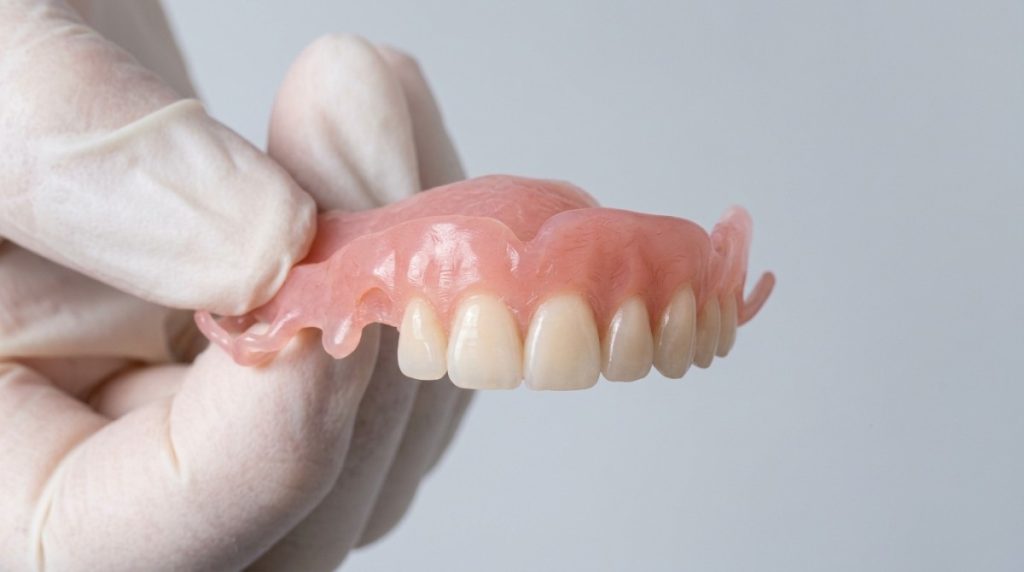
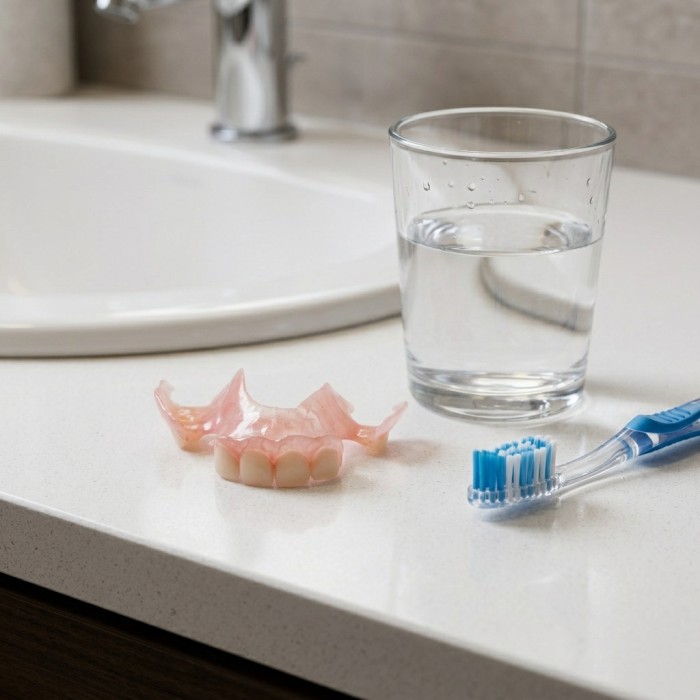
A flexible partial denture is a removable appliance that replaces one or more missing teeth while leaving your remaining natural teeth in place. Artificial teeth are attached to a flexible base that fits around your gums and remaining teeth.
Key features of flexible partial dentures:
- Materials: Often made from thermoplastic resins, including nylon-based materials used in products such as Valplast. DuraFlex is another brand associated with flexible denture materials.
- Appearance: Gum-coloured clasps can be less noticeable than the metal clasps used in some conventional partial dentures.
- Fit: The appliance is designed to fit the shape of your mouth. An upper partial denture may also cover part of the roof of your mouth, depending on its design.
Unlike a complete denture, a partial denture replaces only selected missing teeth rather than all the teeth in your upper or lower jaw.
Benefits of Flexible Partial Dentures
Flexible partial dentures for upper teeth offer several features that may suit people replacing missing upper teeth. Their benefits depend on the material, the design, and also the condition of the remaining teeth.
Gum-Coloured Clasps
Flexible partial dentures can use gum-coloured clasps instead of visible metal ones. This may make them less noticeable, especially when replacing an upper front tooth. However, how visible the denture is depends on its position and how well it fits.
A Flexible, Removable Design
The thermoplastic base can bend slightly when you insert or remove the denture. Some people may prefer this design to a rigid metal framework. However, flexibility does not guarantee greater comfort or stability. The right fit and design are still important.
Customised Teeth and Gum Colour
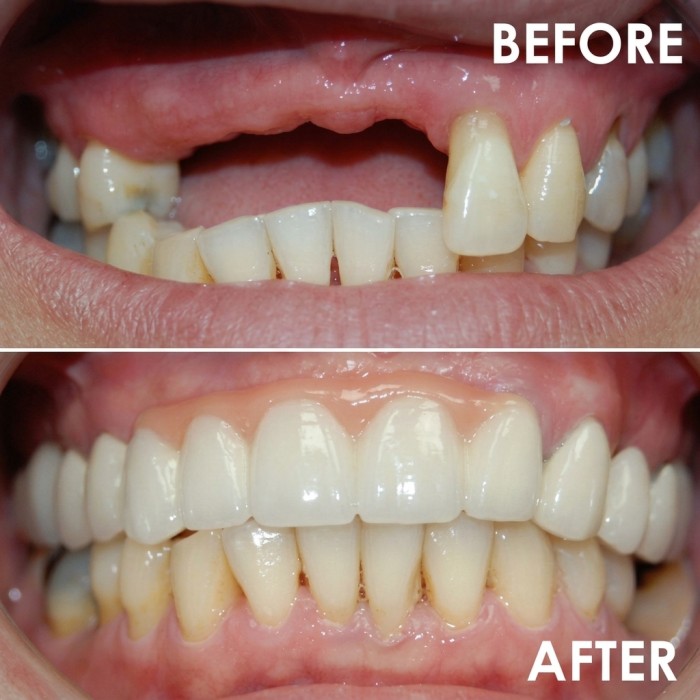
The artificial teeth can be selected to match the colour and shape of your natural teeth. The base can also be matched to your gum colour. These adjustments can help the denture blend with your smile, although an exact match is not always possible.
Easy Removal for Cleaning
You can remove a flexible partial denture to clean it and your natural teeth. This is important because plaque can collect around the teeth that support the appliance. Daily cleaning helps protect these teeth and the surrounding gums.
Flexible vs Metal vs Acrylic Partial Dentures
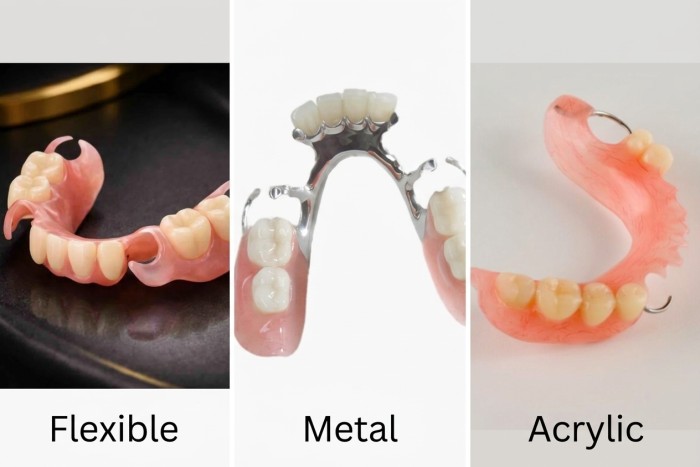
Flexible, metal, and acrylic partial dentures can all replace missing teeth, but they differ in appearance, flexibility, and adjustment options. The right choice depends on your missing teeth, bite, oral health, and treatment needs.
| Feature | Flexible Partial Denture | Cast-Metal Partial Denture | Acrylic Partial Denture |
|---|---|---|---|
| Material | Flexible thermoplastic resin | Rigid metal alloy, often cobalt-chromium | Rigid acrylic resin |
| Clasps | May use gum-coloured clasps | Often uses metal clasps | May use wire clasps |
| Appearance | Clasps may be less noticeable | Metal clasps may be visible | Depends on the base and clasp design |
| Flexibility | Flexible base | Rigid framework | Relatively rigid base |
| Adjustments | Some adjustments and repairs may be limited | Often allows conventional adjustments and relining | Often allows conventional adjustments and relining |
| Common uses | Selected cases where a flexible design is suitable | Cases requiring a rigid, supported framework | Temporary or longer-term tooth replacement, depending on the design |
Each design has advantages and limitations. A flexible denture may suit certain aesthetic needs, while a cast-metal denture offers a rigid framework. Acrylic dentures may be appropriate for temporary or longer-term use, depending on the treatment plan.
Research reviewed by the Canadian Agency for Drugs and Technologies in Health (CADTH) found inconsistent evidence for some outcomes, including retention and chewing function. Flexible dentures have not been shown to be universally better than conventional alternatives.
Read more: What Are the Options for Replacing Missing Teeth?
Flexible Partial Dentures vs. Dental Implants
Both flexible partial dentures and dental implants replace missing teeth, but they work differently.
Flexible partial dentures:
- Removable for daily cleaning
- Rest on the remaining teeth and supporting oral tissues
- Do not require implant surgery
Dental implants:
- Placed in the jawbone to support a crown or another restoration
- Require surgery and assessment of bone and gum health
- Involve a different treatment process and cost
Your dentist can help you compare these options based on the number and location of missing teeth, your oral health, budget, and long-term treatment goals.
Read more: Dentures vs. Dental Implants
Right Denture Option for Your Missing Front Teeth
You might be worried about how your replacement teeth will look, or fit your budget. At Woodbridge Smile Centre, we’ll help you choose a suitable denture option and provide personalised treatment to replace your missing teeth.
Book Your Consultation Today
Disadvantages of Flexible Partial Dentures
Flexible partial dentures have some limitations to consider before choosing this type of tooth replacement:
- Limited adjustments and repairs: Some flexible materials are difficult to reline, repair, or modify. The options depend on the product and how well it fits.
- Support during chewing: A flexible base may not provide enough stability for every pattern of tooth loss. Some patients may benefit from a more rigid design.
- Potential bulkiness: The base may feel thick in certain areas, depending on the denture’s design and the number of teeth being replaced.
- Not suitable for every patient: Gum health, the condition of the remaining teeth, the location of missing teeth, and grinding habits can affect whether a flexible partial is appropriate.
- Limited whitening options: Artificial teeth and the denture base cannot be whitened like natural teeth. Changes in your natural tooth colour may also make the denture less closely matched over time.
Related topic: Missing Back Tooth: What The Dentist Recommends for Treatment
Who Is a Candidate for Flexible Partial Dentures?
Flexible partial dentures may be an option if you’re missing one or more teeth and still have enough suitable natural teeth to support the appliance. However, still not everyone is a good candidate.
During your consultation, we assess:
- Gum health: Gum disease should be addressed before deciding on a denture.
- Remaining teeth: Teeth that help hold the denture in place need to be strong enough to support it.
- Location of missing teeth: Replacing one front tooth is different from replacing several teeth or a long row of missing teeth.
- Bite and grinding habits: Your bite and any teeth grinding can affect how well the denture performs.
- Fit and comfort: Changes in your gums and jaw ridge can affect how the denture fits over time.
- Your needs and preferences: We consider your chewing, speech, appearance, and your preferences about removable appliances.
A flexible partial denture isn’t the best option for everyone. Depending on your oral health, a metal or acrylic partial denture, a dental bridge, or implants may be more suitable. A dental examination is the best way to determine which option fits your needs.
Read More: Pictures of Denture Sores
The Flexible Partial Denture Process
Getting a flexible partial denture typically involves five steps, which starts with an initial examination and ends with follow-up care.
1. Examination and Treatment Planning
We check your remaining teeth, gums, bite, and the areas where teeth are missing. X-rays may be needed to assess your oral health and determine whether a flexible partial denture is suitable.
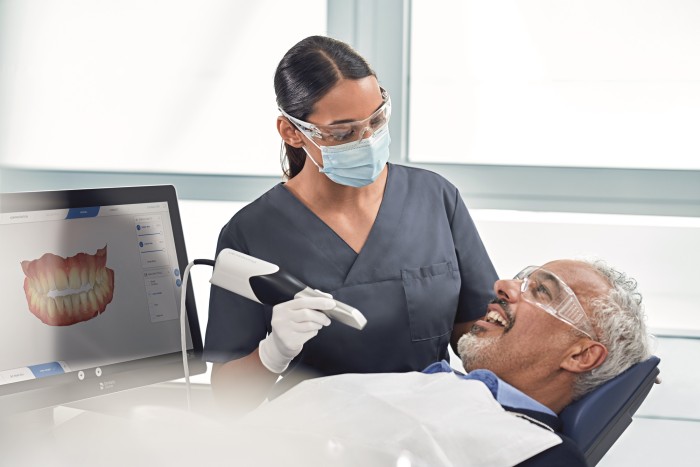
2. Impressions or Digital Scans
If the treatment is appropriate, we record the shape of your mouth using impressions or digital scans, depending on the method available. You’ll also select the colour and shape of the replacement teeth.
3. Laboratory Fabrication
The dental laboratory makes the appliance according to the prescribed design and material specifications. The fabrication process depends on the product used and the complexity of the case.
4. Fitting the Denture
We check the denture’s fit, stability, bite, and comfort. You’ll also learn how to insert, remove, and clean it. Any adjustments depend on the material and design.
5. Follow-Up Care
Follow-up visits allow us to check the fit and examine the supporting teeth and gums. Contact your dentist if the denture causes persistent soreness, feels loose, or makes chewing difficult.
Related comparison: Dental Implants vs Bridges: Which Is Right for You?
How to Care for Flexible Partial Dentures
Whether you’ve just received your flexible partial denture or have been wearing it for a while, following the right care tips can help you adjust to it, prevent problems, and extend its lifespan.
After the treatment, it may take time to adjust to eating and speaking with your new denture. Start with soft foods cut into small pieces, follow your dentist’s instructions on how long to wear it and whether to remove it at night, and attend follow-up visits so your dentist can check the fit and address any sore spots or discomfort.
And for everyday care:
- Clean it daily: Use a soft denture brush and a cleaner recommended for your denture material. Avoid abrasive toothpaste and unsuitable cleaning products.
- Avoid hot water: Hot or boiling water can distort some flexible materials and affect the fit.
- Follow storage instructions: Ask your dentist how to store your denture when it’s not being worn. Don’t assume it should be soaked overnight in every type of cleaning solution.
- Handle it carefully: Insert and remove it as instructed. Avoid bending it unnecessarily or attempting repairs yourself.
- Keep up with dental checkups: Your dentist can check the denture’s fit and examine the teeth and gums that support it.
Learn more: Why Regular Dental Visits Are Crucial
Cost of Flexible Partial Dentures for Upper Teeth
The cost of a flexible partial denture depends on the number of teeth being replaced, the material, laboratory fees, and any required dental treatment or follow-up adjustments. Ask your dentist for a treatment plan outlining the total cost and any potential additional fees.
The Canadian Dental Care Plan (CDCP) may cover eligible removable partial dentures, subject to its coverage rules and clinical requirements. Initial placements require preauthorization, and approval is not guaranteed. Flexible partials aren’t listed as a separate covered type, so ask your dental provider to confirm coverage, preauthorization requirements, and any out-of-pocket costs before treatment.
Flexible Partial Dentures at Woodbridge Smile Centre
At Woodbridge Smile Centre, we provide custom-fitted partial and complete dentures to help replace missing teeth and restore everyday oral function. Our dental team will assess your teeth, gums, and bite to determine if we should provide flexible partial dentures or we should discuss alternatives with you based on your needs. We take a personalised approach to treatment, and provide guidance on denture care and follow-up visits.
We also offer direct billing to many insurance providers, and assistance for eligible patients using the Canadian Dental Care Plan (CDCP). Visit us at 3582 Major MacKenzie Dr W in Vaughan to discuss your denture options, or call (647) 559-2251 to book a consultation.
FAQ
How long do flexible partial dentures last?
There’s no established average lifespan for flexible partial dentures. Longevity depends on material, fit, care, and oral changes. Regular check-ups help identify when replacement is needed.
Are flexible partial dentures comfortable to wear?
Comfort depends on the fit, design, gum health, and your adjustment to wearing them. Persistent soreness or looseness should be assessed by your dentist.
Can flexible partial dentures be repaired or relined?
Some flexible dentures are difficult to repair or reline. Options depend on the material and design, and replacement may be necessary.
Can I sleep with a flexible partial denture?
It depends on your treatment stage and appliance. Follow your dentist’s instructions on overnight wear, removal, and storage.
Can I whiten my teeth while wearing a flexible partial denture?
Whitening products don’t whiten denture teeth or bases like natural enamel. Ask your dentist about whitening natural teeth and matching the denture’s shade.
Have you ever used a flexible partial denture or considered one? Share your experience or questions in the comments below!