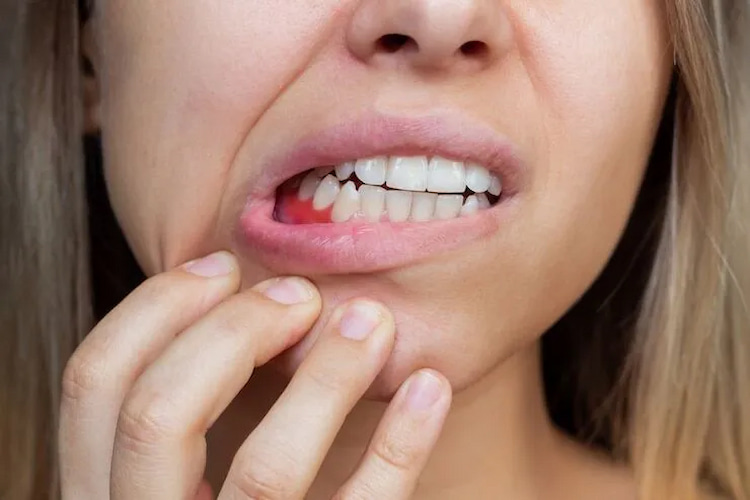
If you’re here, you may be experiencing persistent bad breath, a small white lump on your tonsil, or the feeling that something is stuck in your throat. You probably want to know what these symptoms mean and how harmful tonsil stones are. You also need to know how they can be treated or prevented.
Most tonsil stones are harmless and don’t require complicated treatment. Good oral hygiene and simple preventive habits can help reduce their recurrence. This guide, prepared at Woodbridge Smile Centre, under the clinical supervision of Dr. Aryan Rezaeifar, DDS, a certified member of RCDSO, explains what tonsil stones are, why they form, their common symptoms, how good oral hygiene and simple preventive habits may help treat them or reduce their recurrence, and when professional care may be needed.
Tonsil stones at a glance:
| What are they? | Small, hardened lumps that form in the crypts of the tonsils. |
| What causes them? | Debris, bacteria, dead cells, and minerals can build up and harden in the tonsillar crypts. |
| What are the symptoms? | Bad breath, throat discomfort, a feeling of something stuck, or visible white/yellow spots. |
| How can you manage them? | Many go away on their own. Good oral hygiene, hydration, and gentle care may help. |
| When should you seek care? | If they persist, keep returning, cause significant symptoms, or show signs of infection, see a dentist or ENT. |
What Are Tonsil Stones?
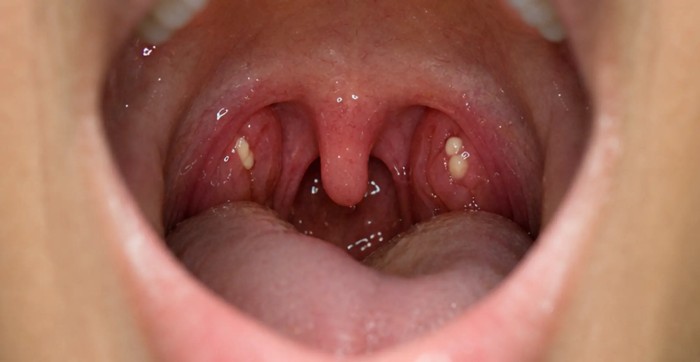
Tonsil stones, also called tonsilloliths, are small, hardened lumps that form inside the natural pockets, or crypts, of the tonsils.
What Causes Tonsil Stones?
Tonsil stones form when food debris, dead cells, bacteria, and minerals become trapped in the tonsillar crypts and gradually harden or calcify. They are more likely to develop in people with enlarged or deeper crypts, especially those with a history of repeated tonsillitis.
Dehydration, dry mouth, and post-nasal drip may also increase the buildup of material in the tonsils.
Research Findings: A recent study, published in Scientific Reports, explains that the exact cause of tonsil stones is still not fully understood, but chronic inflammation of the tonsils and bacterial biofilms are believed to play a major role in how they form.
What Are the Symptoms of Tonsil Stones?
Many tonsil stones cause no symptoms. When symptoms occur, they may include:
- Persistent bad breath (halitosis)
- A feeling that something is stuck in the throat
- Sore throat
- Ear discomfort
- Difficulty swallowing
- Visible white or yellow spots on the tonsils
A dentist or ENT (otolaryngologist) can examine your tonsils and confirm whether you have tonsil stones. As part of our general dentistry procedures, we provide oral examinations to assess your oral condition.
Read more: Why Regular Dental Visits Are Crucial: Top Reasons for Routine Check-Up
How Are Tonsil Stones Treated?
Many tonsil stones go away on their own and may not require treatment. But if you want to help loosen a stone or clear it sooner, you can try:
- Warm salt-water gargles to help loosen debris and soothe irritation.
- Gentle coughing or throat clearing to dislodge a loose stone.
- Good oral hygiene routine, including brushing, flossing, and cleaning your tongue, to reduce the buildup of debris and bacteria.
If you or a family member develops tonsil stones at any age, regular family dentistry visits can also provide an opportunity to assess your oral health, address factors such as plaque or dry mouth, and determine whether further evaluation is needed.
For stones that are persistent, recurrent, or particularly bothersome, professional options may include in-office removal, cryptolysis (including laser or coblation), or, in selected cases, tonsillectomy. These treatments require evaluation by an ENT (otolaryngologist) to determine which option, if any, is appropriate.
Read more: How to Clean Teeth Properly: A Simple Guide for Better Results

What You Should Not Do
Avoid using sharp objects, fingernails, or excessive pressure to dig out tonsil stones. These methods can injure the tonsils, or increase the risk of bleeding and infection.
Some home methods, such as using a water flosser or cotton swab, may not be suitable for everyone and can carry risks if used incorrectly. They may be especially inappropriate for children, pregnant people, or those with certain medical conditions or medications. If you plan to try a home approach, it’s best to discuss it with a dentist or ENT (otolaryngologist) first.
Concerned About Tonsil Stones?
If you’re dealing with recurring tonsil stones or bad breath, our dental team at Woodbridge Smile Centre can examine your oral health and assess the severity of the issue. We’ll provide effective guidance to help support a faster recovery.
Book an oral examination.
When Should You See a Dentist or ENT?
Most tonsil stones are harmless, but professional evaluation is recommended if:
- Tonsil stones keep coming back or don’t go away.
- They cause persistent bad breath, pain, or throat discomfort.
- You have difficulty swallowing or significant swelling.
- You notice fever, redness, or other signs of infection.
- A stone is unusually large or symptoms are one-sided or unusual.

How to Prevent Tonsil Stones From Coming Back
You may not be able to prevent tonsil stones completely, especially if you have deep tonsillar crypts. However, good oral hygiene and a few daily habits can help reduce the buildup that contributes to them:
- Brush twice a day: Clean your teeth and gumline thoroughly to reduce food debris and bacteria.
- Floss daily: Flossing helps remove particles that brushing can miss.
- Clean your tongue: Your tongue can harbor bacteria and debris that contribute to bad breath and buildup.
- Stay hydrated: Drinking enough water helps prevent dry mouth and supports normal saliva flow.
- Use alcohol-free mouthwash: This can help control oral bacteria without further drying your mouth.
- Manage dry mouth: If you frequently have a dry mouth, talk to your dentist or healthcare provider about possible causes and solutions.
- Address post-nasal drip: Ongoing mucus drainage can contribute to material collecting around the tonsils, so treating its underlying cause may help.
- Avoid smoking: Smoking can affect oral health and contribute to dry mouth and bacterial buildup.
Note: Regular dental checkups and teeth cleanings can also help you maintain good oral hygiene by addressing plaque buildup and other oral health concerns. While these steps do not directly treat tonsil stones, keeping your mouth clean may help reduce the buildup of debris and bacteria associated with them.
Related topic: Importance of Flossing: Floss Like a Pro and Unlock Smile Power

Managing Tonsil Stones: Key Takeaways
Most tonsil stones are harmless and may go away on their own. Good oral hygiene, regular brushing and flossing, tongue cleaning, hydration, and addressing issues such as dry mouth can help reduce the buildup that contributes to recurring stones. Avoid aggressive removal methods, and see a dentist or ENT if stones persist, recur frequently, or cause significant symptoms.
If you have recurring tonsil stones or concerns about your oral health, Woodbridge Smile Centre can provide an oral examination, and help determine whether further medical evaluation is appropriate or how you can treat it faster. You can visit us at 3582 Major MacKenzie Dr W, Vaughan, ON L4H 3T6, or reach us at (647) 559-2251.
FAQ
Are tonsil stones dangerous?
Usually not. Most tonsil stones are harmless, although large or persistent stones can sometimes cause discomfort or swallowing problems.
Are tonsil stones contagious?
No. Tonsil stones themselves are not contagious and cannot be passed from one person to another.
What causes tonsil stones?
They form when debris becomes trapped in tonsillar crypts and gradually calcifies. Recurrent tonsillitis and enlarged crypts can increase the risk.
Why do I keep getting tonsil stones?
Recurring stones are often associated with enlarged or deeper tonsillar crypts, particularly after repeated tonsil infections.
Do tonsil stones go away on their own?
Yes. Many tonsil stones eventually loosen and fall out naturally without treatment.
Can poor oral hygiene cause tonsil stones?
Poor oral hygiene may contribute to debris and bacterial buildup, but tonsil stones can occur even with good oral hygiene.
Can good oral hygiene prevent tonsil stones?
Good oral hygiene may reduce buildup and recurrence, but it cannot completely prevent tonsil stones, especially with deep crypts.
Can tonsil stones cause bad breath?
Yes. Persistent bad breath (halitosis) is the most common symptom of tonsil stones.
Should I see a dentist or ENT?
See a dentist or ENT (otolaryngologist) if stones persist, recur frequently, cause significant symptoms, or you need further evaluation.
Can tonsil stones be removed permanently?
Tonsil stones can recur. In persistent cases, an ENT may discuss professional removal or, rarely, surgical options such as tonsillectomy.
Have you dealt with tonsil stones yourself? Share your experience or questions in the comments.