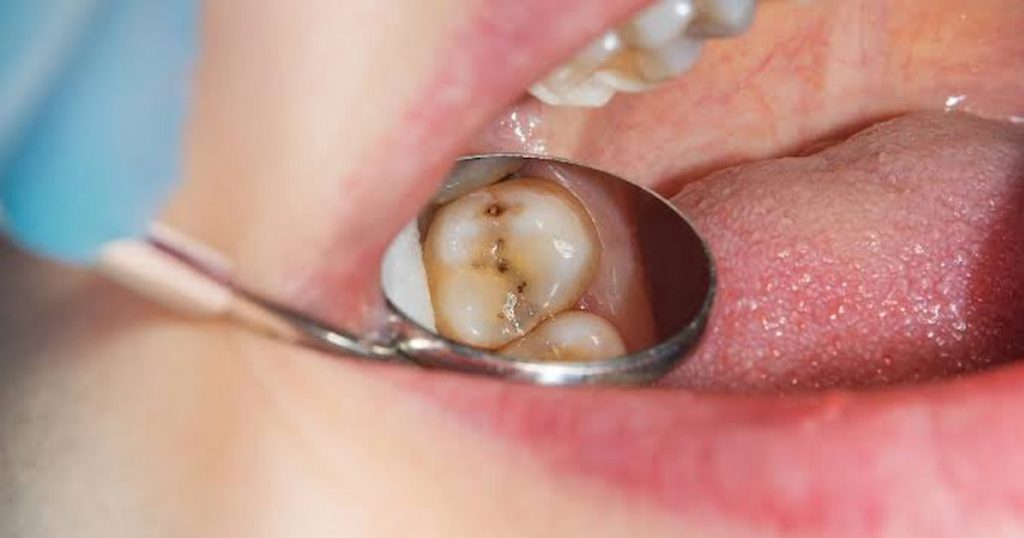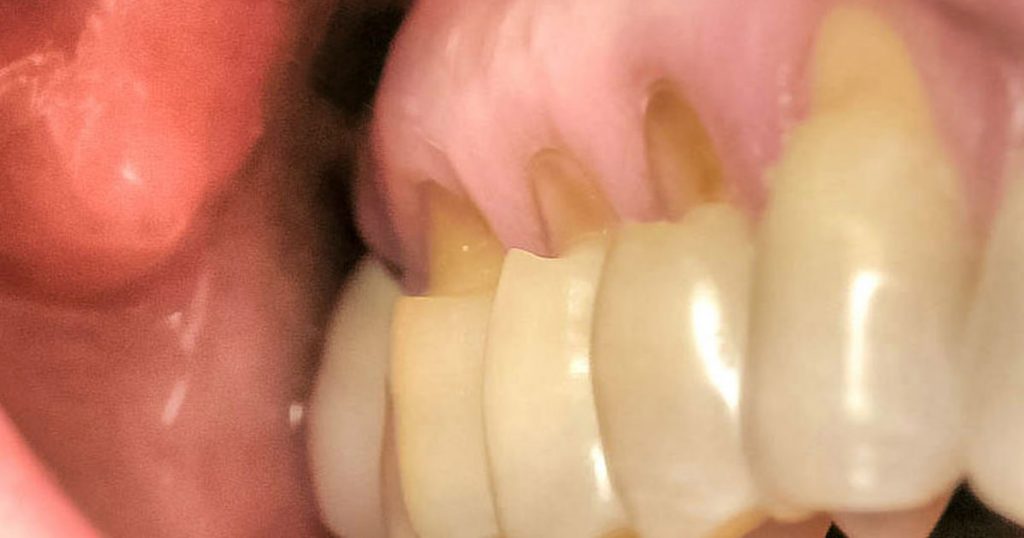
One of the most common questions we hear from patients at Woodbridge Smile Center is, “I noticed a line on my tooth. Is it cracked?” The answer is no. The line you see may be a craze line, which is a small crack limited to the enamel, the hard outer layer of the tooth. Craze lines are extremely common and often develop over years of normal chewing, biting, and everyday use of the teeth.
Understanding the difference can help you know when a craze line is simply something to monitor and when it deserves immediate professional attention.
Your neighbourhood dental services in Woodbridge and Vaughan.
What Are Craze Lines on Teeth?
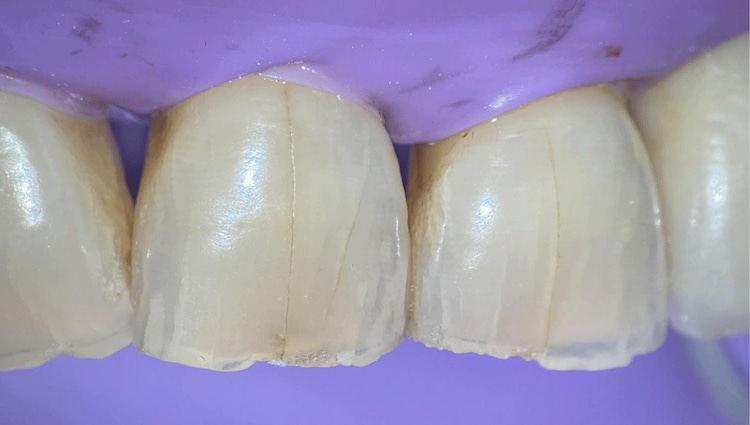
Craze lines are tiny cracks that develop within the enamel surface of a tooth. Enamel is the hardest substance in the human body, but years of use can create microscopic changes that become visible over time.
Many people have craze lines without realizing it. They are often discovered during routine dental examinations or noticed when looking closely in a mirror under bright lighting.
How Do Craze Lines Form?
Every day, your teeth absorb significant pressure from chewing, biting, speaking, and temperature changes caused by food and beverages. Over time, these repeated forces can create tiny surface cracks. These microscopic cracks are what dentists refer to as craze lines.
Learn more in Colgate‘s article on craze lines and tooth enamel.
Why Are Craze Lines So Common?
One reason craze lines are so common is that they are often associated with normal aging. As people get older, enamel experiences decades of wear and pressure.
Many adults develop at least a few craze lines during their lifetime. In fact, they are considered a common finding during routine dental examinations.
Can Craze Lines Be Horizontal?
Yes. Although vertical lines are seen more frequently, horizontal craze lines can also occur.
Horizontal lines often attract more attention because they appear unusual and may resemble a fracture extending across the tooth. Patients frequently become concerned when they notice a horizontal line on a front tooth because it may appear suddenly under certain lighting conditions.
The orientation of the line does not automatically indicate severity. A horizontal line can be just as harmless as a vertical one if it remains limited to the enamel.
Conditions such as dental abfraction can also result from excessive biting forces and enamel stress, making professional diagnosis important when unusual changes appear on your teeth.

Why Do Patients Suddenly Notice Craze Lines?
One of the most interesting aspects of craze lines is that patients often believe they appeared overnight. In reality, many of them have been present for months or even years before they are noticed.
Changes in Lighting
Certain lighting conditions make enamel lines more visible. Bright bathroom lighting, sunlight, or close-up photographs may reveal details that were previously difficult to see.
Staining Within the Line
They can collect pigments from foods and beverages over time. Coffee, tea, red wine, dark berries, and tobacco products may stain the microscopic groove within the enamel. As staining accumulates, the line becomes darker and easier to see.
This often creates the impression that the line is growing when it is actually becoming more noticeable due to discoloration.
Whitening Treatments
Patients occasionally become concerned about these lines after teeth whitening treatment. Whitening brightens the surrounding enamel, which can increase the contrast between the tooth surface and the line. As a result, lines that were previously difficult to detect may become easier to see.
Cosmetic dentistry continues to evolve with advancements in digital technology and minimally invasive treatments that improve both aesthetics and precision. To explore the latest innovations, read our guide to the top cosmetic dentistry trends.
What Causes Craze Lines?
There is rarely a single cause. Most lines develop because of accumulated stress placed on the teeth over many years.
Natural Wear and Aging: Normal chewing creates pressure on enamel every day. Over decades, this repeated stress contributes to microscopic enamel changes.
Teeth Grinding and Clenching: Bruxism is one of the most common factors associated with these lines. Patients who grind or clench their teeth often place tremendous force on their enamel. This pressure can create small cracks that become visible over time.
Trauma to the Teeth: A sports injury, fall, or accidental impact can place significant stress on enamel. Even if the tooth does not break at the time of the injury, the force may contribute to the development of lines. Learn how custom sports mouthguards provide a secure fit and help absorb impact during athletic activities.
Biting Hard Objects: Chewing ice, hard candies, popcorn kernels, or nonfood items can increase enamel stress. These habits may not cause immediate damage, but repeated pressure can contribute to enamel cracking.
Bite Alignment Issues: When teeth do not meet evenly, certain teeth may absorb more pressure than others. This uneven distribution of force can increase stress on enamel and contribute to craze line formation.
Are Horizontal Lines on Teeth Different From Vertical Lines?
Patients often ask whether horizontal lines are more serious than vertical lines. The answer depends on the specific characteristics of the tooth and the symptoms present.
- Vertical lines are generally more common because of the way biting forces travel through the teeth. Horizontal lines occur less frequently but are still considered a normal finding in many cases.
- A horizontal line may appear similar to a fracture that extends across the tooth surface. Because of this appearance, patients often seek evaluation sooner when they notice a horizontal line.
Pain, sensitivity, or changes in tooth function deserve professional assessment. Symptoms provide more useful information than the direction of the line itself.
Book your visit today!
Friendly, modern dental care in Woodbridge for the whole family. Reach out, and our Dentists in Woodbridge will take care of the rest.
Treatment Options for Craze Lines
Treatment depends on whether the line is purely cosmetic or associated with structural concerns.
- Many craze lines require no treatment at all. Regular dental visits allow dentists to monitor the tooth and identify changes if they occur.
- Dental Bonding can improve the appearance of visible craze lines, particularly on front teeth.
- Dental Veneers are often used when patients want a more comprehensive cosmetic improvement.
- A dental crown may be recommended if a deeper crack threatens the structural integrity of the tooth.
- Patients who grind their teeth may benefit from a custom night guard to reduce future enamel stress.

A consistent daily oral care routine can help reduce the enamel wear and excessive stress that contribute to visible craze lines over time. Explore our guide to building an effective dental hygiene routine and learn simple habits that support stronger teeth and healthier enamel.
Craze Lines Should Be Evaluated When Changes Occur
Craze lines are often harmless enamel imperfections that develop over time as a result of normal wear, biting forces, and aging. In many cases, they do not require treatment and have little impact on the health or function of the tooth. However, because some deeper cracks can resemble craze lines, it is important to have new, changing, or symptomatic lines evaluated by a dentist.
At Woodbridge Smile Centre, our services include preventive dentistry, professional teeth cleanings, digital X-rays, dental bonding, porcelain veneers, dental crowns, root canal treatment, custom night guards, emergency dental care, and restorative dentistry for patients in Woodbridge and Vaughan.
FAQ
Are craze lines on teeth permanent?
Yes. Enamel does not regenerate, so craze lines typically remain present unless they are cosmetically covered with dental treatment.
Can craze lines spread?
Most remain stable. However, teeth that experience ongoing stress should be monitored during routine examinations.
Do craze lines weaken teeth?
Most craze lines do not significantly affect tooth strength because they remain within the enamel.
Can a dentist remove craze lines?
Dentists cannot remove the enamel crack itself, but treatments such as bonding and veneers may improve appearance.
Are horizontal craze lines normal?
Yes. Horizontal craze lines can occur and are often harmless when they remain limited to the enamel.
Have You Noticed Lines on Your Teeth? Share your experience in the comments below.