Swollen gums are a common dental concern that can affect people of all ages. Many patients notice that their gums appear red, puffy, or sore, or bleed when brushing or flossing. These symptoms are often linked to inflammation caused by bacteria, plaque buildup, or irritation around the gum line.
Healthy gums should fit tightly around the teeth and appear firm and pink. When the gums become swollen, it usually means the tissue is reacting to irritation or infection. This blog explains the common causes of swollen gums, symptoms to watch for, treatment options, home care tips, and when to visit an emergency dentist.
Dr. Rita Calotti is a compassionate and experienced family dentist at Woodbridge Smile Center in Vaughan, Ontario. She provides a wide range of dental services, including preventive care, restorative treatments, cosmetic dentistry, and oral health education for patients of all ages.
What Do Swollen Gums Look Like?
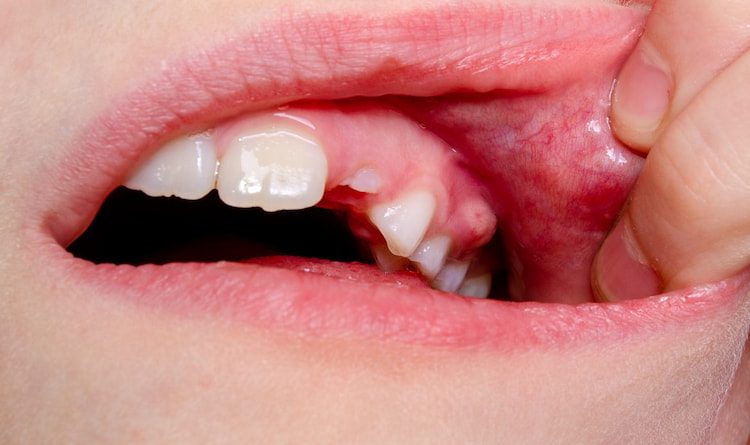
Swollen gums often appear larger, softer, or puffier than normal. The tissue may become red or dark pink instead of its usual healthy color. In some cases, the gums may bleed easily during brushing or flossing.
Patients may also notice tenderness, bad breath, sensitivity, or discomfort while eating. The swelling can develop gradually or suddenly, depending on the cause.
Common Signs of Swollen Gums
Many people experience symptoms before realizing they may have a gum problem. Early signs should not be ignored because they often indicate inflammation below the gum line.
Some common symptoms include:
- Red, tender, or bleeding gums
- Persistent bad breath or gum sensitivity
Localized swelling can also be linked to a dental abscess, cracked tooth, or irritation from dental appliances. Regular dental checkups can help identify early signs of gum inflammation, infection, and other oral health concerns before they become more serious.
A consistent oral care routine plays an important role in preventing plaque buildup, gum inflammation, and other dental problems. Learn more about creating a healthy dental hygiene routine to help protect your gums and maintain long-term oral health.
What Causes Swollen Gums?
There are many reasons why gums become swollen. Some causes are mild and temporary, while others require professional dental treatment to prevent worsening symptoms.
Gingivitis
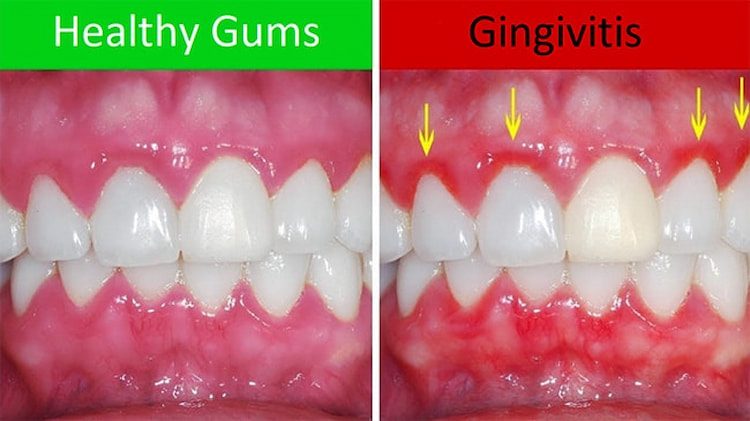
Gingivitis is one of the most common causes of swollen gums. It develops when plaque and bacteria collect along the gum line. Over time, this buildup irritates the gum tissue and causes inflammation.
Patients with gingivitis may notice bleeding while brushing, redness, and mild swelling. Without treatment, gingivitis can progress into more advanced gum disease. Learn more about the benefits of electric toothbrushes and how they can support healthier gums and teeth.
Periodontitis
Periodontitis is a more serious stage of gum disease that affects the tissues and bone supporting the teeth. This condition can cause gum recession, deep pockets around the teeth, loose teeth, and chronic swelling. Professional dental treatment is important because untreated periodontitis can eventually lead to tooth loss.
Poor Oral Hygiene
Brushing and flossing help remove plaque and bacteria from the teeth and gums. When oral hygiene habits are inconsistent, bacteria continue to build up and irritate the gums.
Even small amounts of plaque left behind daily can contribute to inflammation over time. Daily brushing and flossing habits can make a big difference in preventing plaque buildup and reducing the risk of swollen gums. Explore these helpful teeth cleaning tips to improve your oral hygiene routine and support healthier gums.
Hormonal Changes
Hormonal changes during pregnancy, puberty, or menopause can increase gum sensitivity. Some patients notice swelling and bleeding even when plaque buildup is minimal.
Pregnancy gingivitis is especially common because hormonal changes increase blood flow to the gum tissue.
Smoking and Tobacco Use
Smoking weakens the body’s immune response and affects gum healing. Tobacco products also increase plaque buildup and make gum disease more difficult to control. Many smokers develop chronic gum inflammation without realizing how much tobacco affects oral health.
Vitamin Deficiencies
Low levels of vitamin C or certain B vitamins may contribute to swollen or bleeding gums. Proper nutrition plays an important role in maintaining healthy gum tissue and supporting the immune system.

Dental Appliances
Braces, retainers, dentures, and poorly fitted dental restorations can irritate the gums if they rub against the tissue or trap food particles and bacteria.
Learn more about the importance of dental visits for maintaining healthier gums and teeth.
Can Swollen Gums Go Away on Their Own?
Mild gum irritation may improve if the cause is temporary, such as food trapped between the teeth or irritation from aggressive brushing. However, swelling that lasts more than a few days should not be ignored.
Persistent swelling often means bacteria and inflammation are still present. Without treatment, the condition may worsen and lead to infection or progression of gum disease.
Home Care for Mild Gum Swelling
Good oral hygiene habits may help reduce mild gum inflammation and improve comfort at home. Patients should continue brushing gently, even if the gums feel sensitive.
Helpful home care methods include:
- Rinsing with warm salt water
- Using a soft-bristle toothbrush
Some patients stop brushing swollen areas because they are worried about bleeding or discomfort. In reality, avoiding those areas may allow more plaque and bacteria to collect. Learn more about the importance of flossing and discover helpful tips to clean your teeth properly as part of a healthier oral hygiene routine.

Professional Treatments for Swollen Gums
Dental treatment depends on the cause and severity of the swelling. A professional dentist will examine the gums, evaluate plaque buildup, and check for signs of infection or gum disease.
- Professional Dental Cleaning: Routine teeth cleanings remove plaque and tartar from above and below the gum line. Many patients notice improvement in swelling after a professional cleaning appointment.
- Scaling and Root Planing: Scaling and root planing is a deeper cleaning procedure used to treat gum disease. The dentist removes bacteria and tartar from deep gum pockets and smooths the tooth roots to help the gums heal.
- Antibiotics: Some infections require antibiotics to control bacteria and reduce inflammation. Antibiotics may be prescribed along with other dental treatments.
- Root Canal Treatment: If swelling is caused by an infected tooth nerve or abscess, root canal treatment may be necessary to remove the infection and save the tooth.
- Tooth Extraction: Severely damaged or infected teeth may need to be removed if they cannot be safely restored.
Concerned About Swollen Gums?
Woodbridge Smile Centre offers professional dental exams, gum disease treatment, preventive care, restorative dentistry, and emergency dental services to help protect your oral health and comfort.
Book an appointment today!
How Swollen Gums Can Affect Overall Health
Research continues to show a connection between gum disease and overall health. Chronic inflammation in the gums may be linked to medical conditions such as diabetes and heart disease.
Keeping the gums healthy is an important part of maintaining long-term oral and general health.
Swollen Gums Can Improve with Early Dental Care
Swollen gums are often an early sign that your mouth needs attention. Whether the cause is plaque buildup, gum disease, infection, or irritation, early treatment can help prevent more serious dental complications and protect your smile.
If left untreated, gum inflammation can gradually worsen and may lead to more advanced gum disease, discomfort while eating or brushing, and even long-term damage to the supporting structures of your teeth. This is why identifying the cause early and receiving appropriate care is so important for maintaining healthy gums and overall oral health.
At Woodbridge Smile Center, our team provides comprehensive dental care, including gum disease treatment, dental cleanings, emergency dental treatment, restorative dentistry, dental crowns, cosmetic dentistry, and preventive oral health care. We take a patient-focused approach to help diagnose the underlying cause of your symptoms and create a treatment plan that supports long-lasting gum health, comfort, and confidence in your smile.
Disclaimer: Swollen gums may be a sign of gum disease, infection, or other underlying oral health conditions that require professional evaluation. If you notice persistent gum swelling, bleeding, pain, bad breath, or changes in your gum health, it is important to consult a licensed dentist. Early diagnosis and treatment can help prevent complications and support long-term oral health.
FAQ
Are swollen gums always caused by gum disease?
No. Swollen gums may also result from hormonal changes, irritation, vitamin deficiencies, infections, or dental appliances.
How long do swollen gums last?
Mild swelling may improve within a few days, while gum disease-related swelling may continue until professional treatment is completed.
Can swollen gums cause bad breath?
Yes. Bacteria and gum infections commonly contribute to persistent bad breath.
Should I floss if my gums are swollen?
Yes. Gentle flossing helps remove plaque and bacteria that may be causing inflammation.
Can stress affect gum health?
Stress may weaken the immune system and increase inflammation, making gum problems more noticeable.
Have you experienced swollen gums, bleeding while brushing, or gum discomfort?
Sharing your experience may help other patients better understand when to seek dental care.