
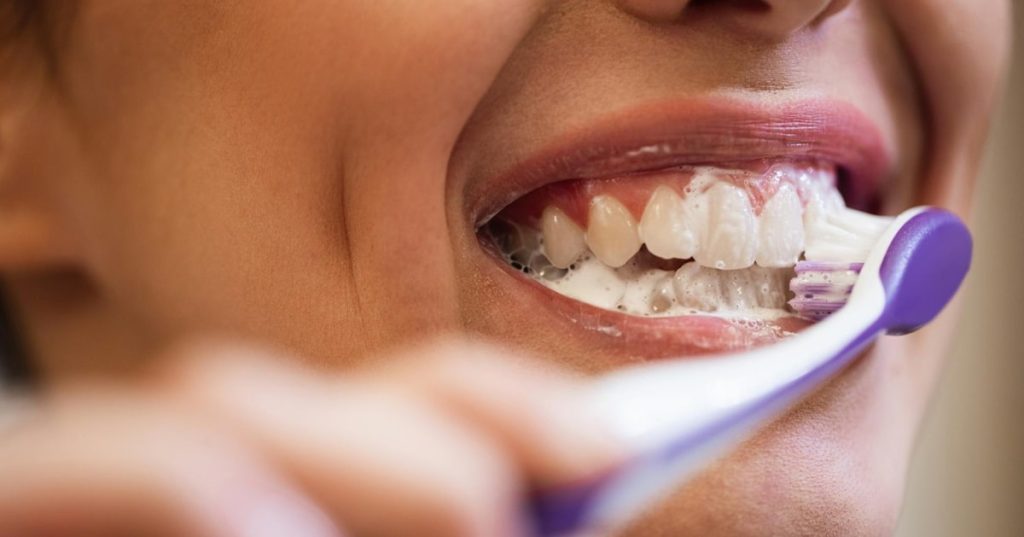
Great oral health begins with simple daily habits. The way you brush, the timing, and even small mistakes can make a big difference in your oral health and dental cleaning routine. In this guide, you’ll learn easy and practical teeth cleaning tips that help protect your enamel, keep your gums strong, and reduce the risk of common problems such as cavities, plaque buildup, and bad breath.
1- Use a Soft-Bristled Toothbrush
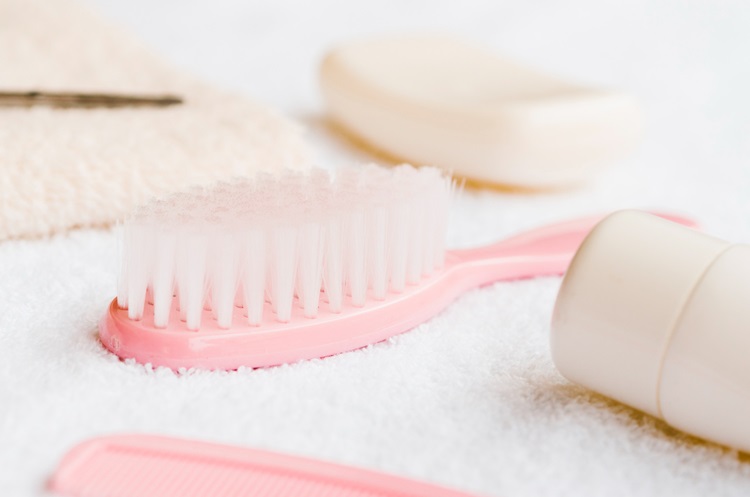
A soft toothbrush is gentle on your gums and enamel. Brush gently in circular motion for two minutes, twice a day (right after you wake up in the morning and before bed at night) to keep your teeth healthy.
2- Use Fluoride Toothpaste
Fluoride strengthens enamel and prevents cavities. Brush with fluoride toothpaste twice a day, once in the morning right after you wake up and once at night before bed, to give your teeth extra protection.
Ready to Take Your Oral Health to the Next Level?
At Woodbridge Smile Centre, we provide comprehensive dental exams and professional cleanings to detect issues early and keep your smile in top shape. Contact us today and take a proactive step toward better oral and overall health.
3- Clean Between Teeth Daily

Floss or use an interdental brush once a day to remove trapped food and plaque. Slide the floss gently between each tooth, curve it around the sides, and move it up and down and prevent cavities and gum disease that can start in the small spaces.
Read more: “Importance of Flossing: Floss Like a Pro and Unlock Smile Power”
4- Use a Water Flosser If Regular Flossing Is Difficult

A water flosser is a great tool when you have problems with traditional floss. It cleans between teeth and gums, removing plaque and bacteria that you might miss. Use it once a day, just like floss, and direct the water slowly along the gumline and between each tooth.
5- Clean Your Tongue
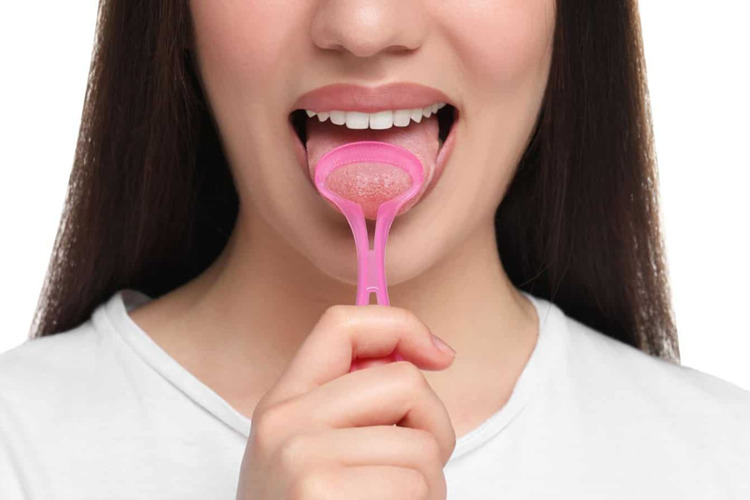
Your tongue can harbor bacteria and leftover food that cause bad breath. Gently brush or scrape your tongue after brushing your teeth to remove these particles. You can do this once or twice a day, usually in the morning and before bed.
6- Use Mouthwash
Mouthwash is a quick way to refresh your breath and kill bacteria in your mouth. Some mouthwashes also have fluoride, which helps protect your teeth from decay. Choose one without alcohol and use it once or twice a day, after brushing and flossing, to get the best results.
Are you experiencing intense tooth pain or swelling? We will talk about how you can find an emergency dentist near you fast.
7- Replace Your Toothbrush Regularly
A toothbrush can wear out over time, so replacing it every 3-4 months ensures it keeps doing its job. A worn-out brush won’t clean as well, and it may even become a home to bacteria and become less effective.
8- Drink Plenty of Water
Water is essential for a healthy mouth. It helps rinse away food particles and bacteria, keeps your gums hydrated, and helps the flow of saliva, which naturally keeps plaque away and protects your teeth.
9- Eat Tooth-Friendly Foods
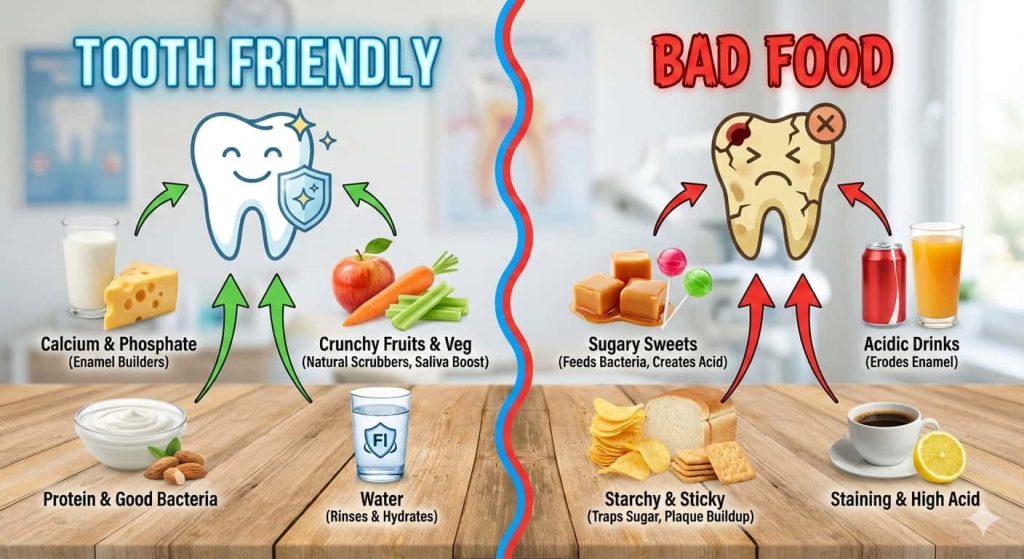
Crunchy fruits and vegetables are great for your teeth because they help clean your teeth naturally and boost saliva production. Dairy foods like cheese and milk provide calcium, which strengthens your teeth and keeps them healthy.
10- Visit Your Dentist Regularly
Regular checkups and professional cleanings are key to keeping your teeth in great shape. Dentists can remove tartar, do teeth whitening, spot early problems, and give you tips that match your needs, making sure your teeth stay healthy for years.
11- Stay Consistent with Your Routine
Cleaning your teeth once in a while isn’t enough. You should have a consistent routine of brushing, flossing, and rinsing every day. It helps prevent plaque buildup and keeps your gums healthy, leading to a cleaner mouth and a brighter smile.
Wondering if electric toothbrushes really improve oral health? Here, you will learn about electric toothbrush benefits and how they work.
12- Avoid Bad Dental Habits
Avoid these mistakes to keep your teeth and gums strong and your breath fresh:
| Habit to Avoid | Why It’s Harmful | What to Do Instead |
| Brushing Too Hard | Can hurt your gums and wear down tooth enamel. | Use a soft toothbrush and brush gently. |
| Brushing Right After Eating | Acidic foods soften enamel, so brushing immediately can weaken it. | Wait 30-60 minutes before brushing. |
| Eating Sugary & Sticky Snacks | Feed bacteria and cause buildup and cavities. | Limit them, pick healthier snacks. |
| Smoking | Stains teeth, harms gum, and causes bad breath. | Quit smoking to protect your teeth. |
| Rinsing Right After Brushing | Washes away fluoride. | Just spit. Don’t rinse immediately. |
13- Visit a Dentist When Necessary
Here’s when you shouldn’t skip a visit:
- Dry mouth could signal a health issue. Check with your dentist.
- If your teeth are sensitive to hot or cold, it’s a sign for a dental check.
- Bleeding or swollen gums may be a sign of gum disease. In severe cases (intense pain or swelling) you may need emergency dental care.
- Persistent bad breath can be a sign of an infection or gum disease.
- If you notice cavities or chips, get them fixed ASAP to avoid bigger problems.
- Pregnancy and hormonal changes can affect your gums. Keep up regular dental visits.
Still don’t know how to clean your teeth properly? Visit the link and access a simple guide to get better results.
Ready for a Cleaner, Brighter Grin?
Adopting consistent, effective teeth cleaning tips, from gentle brushing and daily flossing to a healthy diet and regular check-ups, isn’t just good for your oral health; it’s a long-term investment in your overall wellness. If you are seeking comprehensive dental care for all ages, especially for your children, Woodbridge Smile Centre offers family dentistry in Vaughan for cosmetic and restorative treatments.
FAQ
How often should I brush my teeth?
Brush twice a day, once in the morning and once before bed, for about two minutes. This helps remove plaque and protects your enamel.
Is flossing really necessary if I brush well?
Yep! Brushing misses the spaces between your teeth and below the gumline. Flossing clears out plaque and food particles from those spots that are hard to reach.
Should I rinse my mouth right after brushing?
It’s better to wait a bit before rinsing. This lets the fluoride in your toothpaste stay on your teeth longer for better protection. If you use mouthwash, do it at a different time or wait 20-30 minutes.
How often should I replace my toothbrush or brush head?
Every 3-4 months or sooner if the bristles get worn. Worn brushes don’t clean as well and can hold onto bacteria.
Which of these teeth cleaning tips do you already follow, and which one surprised you the most? Leave a comment below and share your routine or ask us your oral health questions!