
To detect any potential oral health issues like cavities, gum disease, or even oral cancer, regular dental visits are important as these conditions often develop without obvious symptoms. Early diagnosis allows for prompt, less invasive treatment, and it can prevent more serious complications such as tooth loss or wider health concerns. Regular cleanings and exams not only protect your teeth and gums but also contribute to your overall well-being. Preventive dental services help you stay ahead of potential issues and maintain a healthy smile.
Why Regular Dental Visits Are Crucial for Oral Health
Many of us think that we don’t need a dentist until we have a toothache. But actually, oral health is not limited to the absence of dental disease. These visits help identify and treat small problems before they become big problems. Cavities, gum disease, or even the early signs of more serious problems like oral cancer may not show any symptoms for a long time. But a simple exam by a dentist can detect many of these problems early and prevent them from progressing.
1. Prevents dental problems
Regular visits to the dentist can identify and treat dental problems before they lead to serious consequences. Tooth decay is often painless at first, meaning many people remain unaware of it until it is too late. Similarly, gum disease, which is often the cause of tooth loss, can also go unnoticed. The dentist can detect changes in oral health through a thorough examination, which helps prevent problems from worsening. For example, simple scaling and flossing can stop gingivitis from progressing and even help your gums return to a healthy state. But if left untreated, it can lead to gum recession, loose teeth, or even tooth loss.
If you’re concerned about discoloration like amoxicillin stains on your teeth, our guide to removing amoxicillin stains offers helpful tips and treatments.
2. Helps with overall body health

Recent research highlights the fact that periodontal disease is associated with various health problems, such as cardiovascular disease and diabetes. Chronic gum disease can allow bacteria to enter the bloodstream, which increases the risk of diseases such as heart disease, uncontrolled diabetes, premature birth, and even Alzheimer’s. When your mouth is free of infection and inflammation, there is less strain on the immune system, and the body can more easily deal with other problems. So, if you have diabetes, are pregnant, or have heart disease, it is even more important for you to see your dentist regularly.
If you’ve already lost a tooth due to gum disease or decay, explore dental implants for missing teeth.
3. Enables early detection of cavities and gum disease
Without causing pain, cavities and periodontal (gum) disease can form. The ability of your dentist to identify early indicators of gum disease before you even notice any symptoms is one of the main advantages of routine examinations. For instance, a cavity doesn’t cause pain until it penetrates the tooth’s deeper layers. In contrast, periodontal disease is frequently silent at first. It can cause tooth loss and even raise the risk of systemic diseases like cardiovascular disease if left untreated.
Note: The primary justification for routine dental visits is that prevention is both more cost-effective and preferable to treatment.
What to Expect During a Regular Dental Visit
Many of us feel a bit nervous when we’re going to the dentist, either from past experiences or uncertainty. In reality, regular dental visits are routine, painless, and focused more on screening and prevention than treatment.
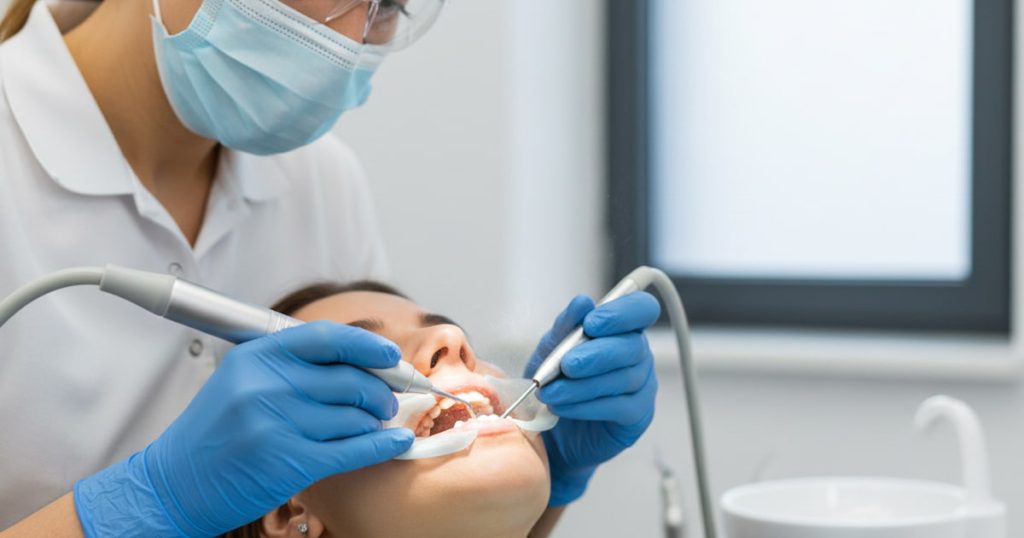
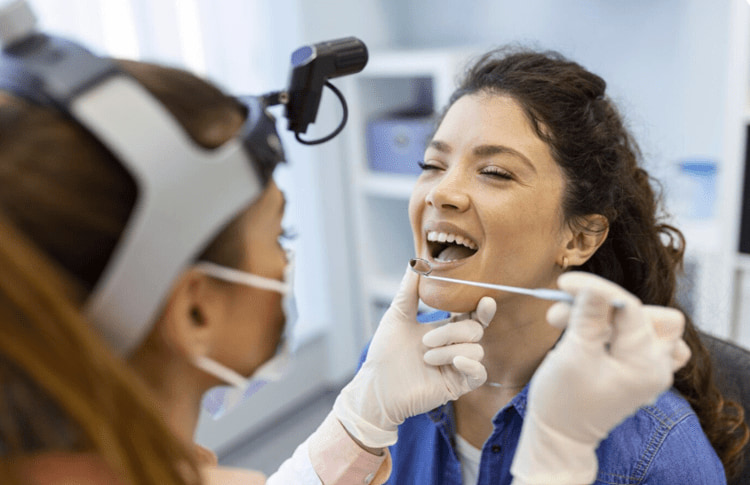
Your dentist will start with a full exam of your teeth, gums, tongue, and mouth to check for cavities, inflammation, or sores. Plaque and tartar buildup in hard-to-clean areas will also be removed with special tools.
Also, your doctor may offer to take X-rays to detect hidden cavities, infections, wisdom teeth issues, or jaw problems. This is quick, painless, and gives a clear view of your teeth. Many dentists also perform an oral cancer screening, which takes only a few minutes. Detecting problems early makes treatment far more effective.
Due for a dental checkup or concerned about your oral health?
At Woodbridge Smile Centre, we offer comprehensive exams and cleanings to catch issues early and keep your smile in top shape. Contact us and take a proactive step toward better oral and overall health!
Long-Term Benefits of Consistent Dental Check-ups
Regular visits to the dentist aren’t just for today; they’re an investment in your dental health for years to come. These regular checkups help identify and address dental problems before they become serious.
The result? Healthier teeth, a longer-lasting smile, and a much lower chance of needing expensive and painful treatments like root canals or implants. In the long run, these visits will improve your quality of life; you’ll have fewer toothaches, eat more easily, and smile without worry. Plus, the cost of preventive visits is much lower than the cost of expensive treatment.
How Often Should You Visit the Dentist?

Usually every 6 months. But the truth is, this number is not the same for everyone. For many, twice a year is enough to get their teeth checked and cleaned. But if you have a history of gum disease, smoke, have diabetes, or are more prone to cavities, you may need to visit more often. Conversely, if your teeth have always been healthy and you take good care of them, your dentist may recommend longer visits. The Mayo Clinic explains how your dentist can determine the appropriate schedule based on your individual health needs. If you’re searching for dentistry near me, be sure to choose a clinic that tailors its advice to your personal oral health.
In addition to all of these, we have prepared a general schedule for you to keep in mind.
| Oral/Health Condition | Recommended Frequency | Additional Notes |
| Healthy mouth, no major issues | Twice a year (every 6 months) | Standard preventive care: cleaning and check-up |
| History of cavities or heavy plaque buildup | 3–4 times per year | Early detection and preventive treatment |
| Gum disease (gingivitis or periodontitis) | Every 3–4 months | Requires ongoing treatment and monitoring |
| Pregnancy | At least twice during pregnancy | Hormonal changes may increase the risk of gum problems |
| Diabetes | 3–4 times per year | Higher risk of gum disease and delayed healing |
| Wearing braces or orthodontic appliances | Every 4–8 weeks (as advised) | Regular adjustment and oral hygiene checks |
| Tobacco users | At least 3 times per year | Higher risk of oral cancer and gum issues |
| Children (ages 3–12) | Twice a year | Monitor growth, teach hygiene habits |
| Seniors (65+) | 2–3 times per year | Address common issues like dry mouth, tooth loss |
Sum Up
Regular dental visits play a vital role in maintaining not only oral health but also your overall well-being. By detecting issues like cavities, gum disease, or oral cancer early, routine checkups help prevent serious complications and costly treatments. Prevention is always better and more affordable than a cure.
If you or someone you know is a refugee in Vaughan, learn more about our dedicated dental care services for refugees and how we’re helping make oral health more accessible to all.
FAQs
Why is it important to have regular dental checkups?
Regular dental checkups can detect early signs of decay, gum disease, or even more serious problems like oral cancer, which may not be painful in the early stages. Early detection means easier, faster, and less expensive treatments.
How do you achieve optimal oral health?
To maintain healthy teeth and gums, you should brush and floss your teeth every day, eat a healthy diet, and visit your dentist regularly (as recommended by your dentist, usually every 6 months). Together, these are the best ways to prevent problems and keep your teeth healthy.
How often should I see the dentist?
Most people should have a checkup every six months. However, some people may need more frequent visits depending on their oral health.
What if I haven’t seen a dentist in years?
Even if it’s been a while, don’t be afraid to make an appointment. The dentist will assess your oral health and suggest a suitable treatment plan.
Are dental checkups painful?
No. Routine checkups and cleanings are painless. If you have anxiety, talk to your dentist about sedation options.
Should I see a doctor if I have no pain or problems?
Yes! Many dental problems don’t cause symptoms until they’re advanced. Regular visits can detect them early, saving you time and money.
How often do you visit your dentist? Have you noticed a difference in your oral health with regular checkups? Share your experiences or questions in the comments; your story might help someone else!