
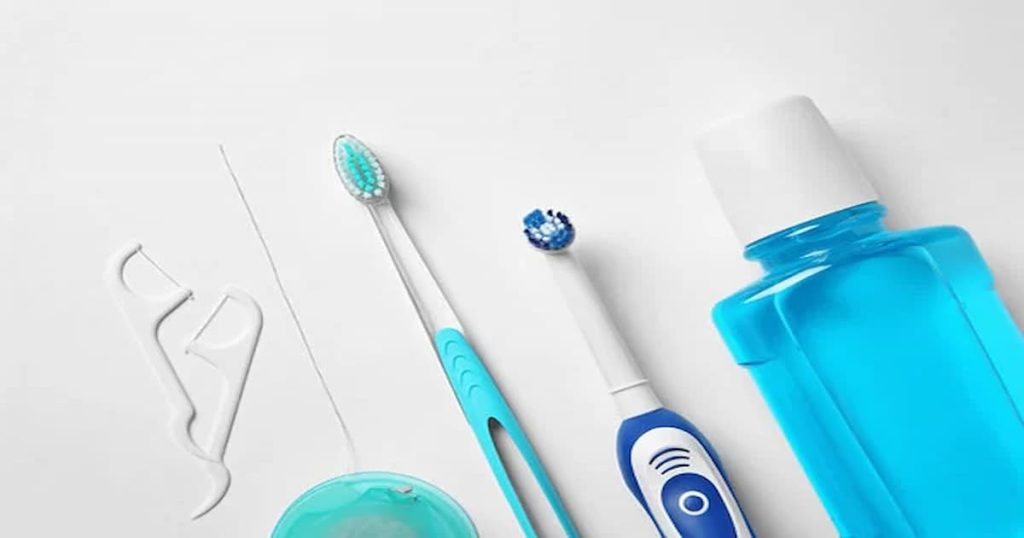
A strong dental hygiene routine is not complicated, but many people still rely on habits that don’t really help. Correct tooth brushing, proper floss use, and limits on certain foods all play a real role in healthy teeth and gums (they also lower how often you will need dental cleaning). In this guide, we explain clear and honest dental hygiene methods and point out common mistakes you may repeat without noticing.
Steps for a Perfect Dental Hygiene Routine
With these steps, your routine stays effective and your mouth stays healthier.
Floss With Real Intent
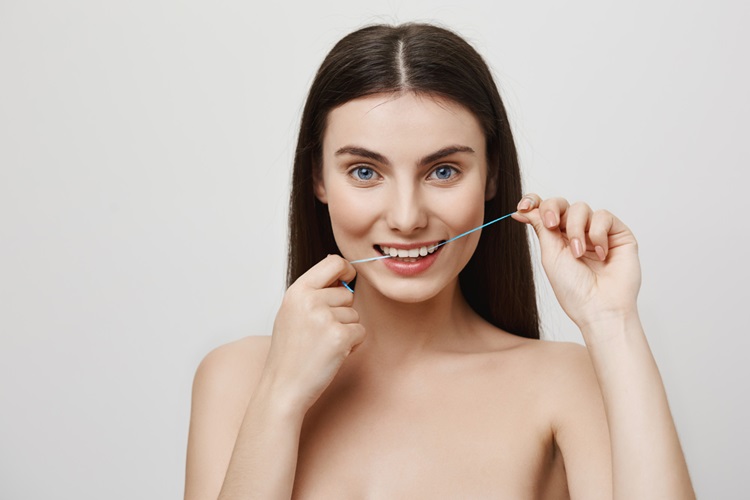
Floss your teeth once a day, best before brushing at night. Use a soft, strong floss that won’t break. Slide it gently between each tooth, curve it around the sides, and clean under the gumline. Don’t snap it; be gentle with your gums.
Brush Properly
Brush in the morning after waking to remove overnight bacteria and protect teeth with fluoride toothpaste. The most important time is before bed, as reduced saliva at night allows bacteria to damage teeth more easily.
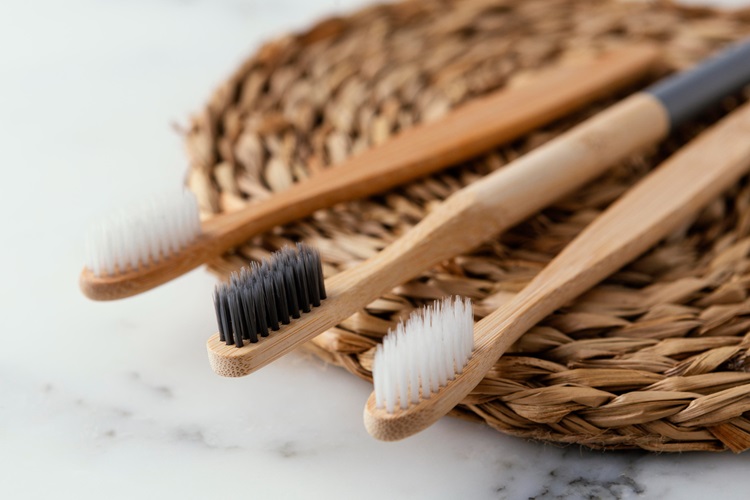
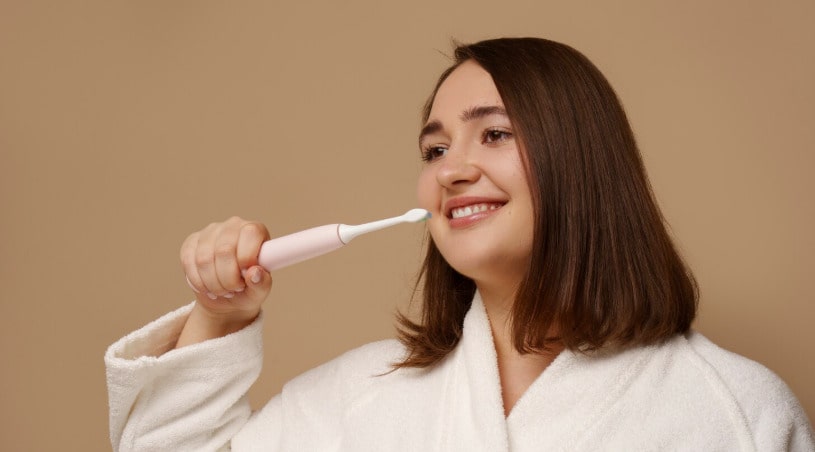
Two minutes each time is enough, and cover every surface. Use a soft-bristle toothbrush, because it cleans well without hurting your gums. No need to press hard; too much pressure only irritates your gums and makes your teeth sensitive. Hold the brush at a slight angle toward your gumline and use short, controlled strokes instead of fast scrubbing.
Ready for a Healthier, Brighter Smile?
At Woodbridge Smile Centre, we provide complete dental checkups, cleanings, and personalized oral care to help you build a stronger dental hygiene routine. Whether you need routine care or have specific concerns, we’re here to support your oral health every step of the way.
Clean Your Tongue Daily

Clean your tongue every day, usually right after brushing. Use a tongue scraper or the back of your toothbrush. Gently scrape from the back to the front a few times to remove bacteria and food particles; don’t press too hard. Doing it once a day keeps your breath fresh and helps prevent buildup that brushing alone can miss. You can do it in the morning, before or after breakfast, or at night; whatever fits your routine.
Read more: “Importance of Flossing: Floss Like a Pro and Unlock Smile Power”
Use Mouthwash the Right Way

Use mouthwash once or twice a day, usually after brushing. Pick one that fits your needs: fluoride ones for cavity protection, antibacterial for gum health, or just a gentle daily rinse. Pour a small capful, swish it around for about 30 seconds, and don’t swallow it. Make sure it reaches all corners of your mouth. Mouthwash doesn’t replace brushing or flossing, but it helps clean spots you can’t reach and keeps your breath fresh.
Rinse Your Mouth the Right Way
Rinse your mouth with a little water after brushing, just enough to get rid of extra toothpaste. Don’t use too much or you’ll wash away the fluoride that protects your teeth. You can rinse before meals or after snacks if you like, but doing it after brushing at night is the most important.
Regular Dental Checkups
Don’t wait for a toothache or visible damage to see your dentist. It’s best to visit every six months to make sure your teeth stay healthy and catch any issues early. This is also the perfect time to discuss advanced treatments like Invisalign or professional teeth whitening for a brighter smile.
Common Mistakes to Avoid in Your Routine
These are the most common mistakes most people make. Watch out for them:
- Using the wrong toothbrush: Hard bristles or old brushes do more harm than good. A fresh soft brush every three months works best.
- Brushing right after eating: Enamel stays softer right after meals. Wait 30 minutes to protect your teeth from erosion.
- Overusing whitening products: Too much whitening weakens enamel. Stick to recommended use to keep your smile bright without damage.
Are you curious to know if electric toothbrushes really improve your oral health? Visit our guide on electric toothbrush benefits to learn more.
Recommended Tools for Optimal Dental Hygiene
Choosing the right tools makes your daily care easier and far more effective. Here’s what actually helps you keep things clean without extra effort.
| Tool | Description | Benefits |
| Soft-Bristled Toothbrush | Manual or electric brush with gentle bristles | Protects your gums, cleans plaque well and avoids harsh scrubbing. |
| Fluoride Toothpaste | Toothpaste with fluoride for stronger enamel | Protects your gums, cleans plaque well, and avoids harsh scrubbing. |
| Dental Floss or Picks | Waxed floss or easy to use picks | Helps prevent cavities, boosts enamel strength, and is suitable for daily use. |
| Tongue Scraper | A simple curved tool in plastic or metal | Clears bacteria, improves your breath, and makes your mouth feel cleaner. |
| Antimicrobial Mouthwash | A rinse with ingredients like essential oils or CPC | Reduces germs, freshens your breath, and supports gum health. |
| Water Flosser | A device that uses a steady stream of water | Great for braces or bridges, gentle on gums, and cleans thoroughly. |
Do you know about the importance of regular dental visits? Here, we will tell you how regular dental visits can give you optimal oral health.
Daily Eating Habits That Support Oral Health

Once you understand how your diet and oral health connect, choosing what’s good for your mouth feels a lot easier.
- Add more Calcium-Rich Foods: Things like dairy, leafy greens, and almonds help your enamel stay strong and healthy.
- Pick Crunchy Fruits and Veggies: Apples, carrots, and celery act like little natural cleaners and boost saliva to keep acids under control.
- Cut Back on Sugary Snacks: Candy and sodas give bacteria way too much fuel. Water or unsweetened drinks are a much safer choice.
- Be Careful with Acidic Beverages: Citrus juices and sodas slowly wear down enamel. Rinsing with water afterwards helps.
- Get Enough Vitamin C: Oranges, strawberries, and peppers keep your gums strong and less prone to irritation.
- Avoid Sticky Foods: Dried fruits and caramels stick to your teeth and make cavities more likely.
Did you just have an accident and break your tooth? Here’s our guide on what to do in case of a broken tooth emergency.
When to See a Dentist for Extra Support
A few red flags can turn into bigger problems if you brush them off. Pay attention to these early hints to protect your oral health before anything gets complicated.
| Sign | What It Might Mean | What You Should Do |
| Persistent Toothache | Could be a cavity, infection, or a crack. | Call your dentist right away to get it checked. |
| Bleeding or Swollen Gums | Signs of gum disease or irritation | Book a dentist visit within a week and try to floss gently in the meantime. |
| Sensitivity to Hot/Cold | Enamel wear or exposed roots | See your dentist soon and use toothpaste for sensitive teeth. |
| Bad Breath Even After Brushing | Possible infection or decay | Make an appointment to figure out the cause. |
| Loose or Moving Teeth | Could mean serious gum disease | Go to the dentist urgently to check it out. |
| White Spots on Teeth | Early signs of decay | Early care can reverse it—get it checked promptly. |
Seal the Deal on Healthy Teeth
A strong dental hygiene routine keeps your teeth and gums healthy. Brush properly, floss carefully, use mouthwash the right way, clean your tongue, rinse correctly, and see your dentist regularly. Avoid common mistakes like using the wrong toothbrush or brushing right after meals. Are you feeling immense tooth pain and need urgent care? At Woodbridge Smile Centre we offer advanced tools and methods to handle emergency situations. Book an appointment for an emergency dentist.
FAQ
Do I really need to floss every day?
Yes! Flossing gets the gunk your toothbrush can’t reach. Even just once a day can make a huge difference for your gums.
How often should I replace my toothbrush in my routine?
Swap out your toothbrush every 3 to 4 months, or sooner if the bristles start looking beat up. Old brushes don’t clean well and can even hang on to germs. Electric brush heads work the same way, so keep an eye on them too!
Is mouthwash necessary?
Not a must, but it’s a nice boost. It can freshen breath and help fight germs. Just don’t skip brushing and flossing; it’s not a replacement.
Are electric toothbrushes better for routine care?
Electric brushes grab more plaque and are gentle on gums if used right. Manual ones work fine too with good technique.
Have any questions about building a better dental hygiene routine or improving your daily habits? Drop a comment below and share your experience. We’d love to hear from you!