

A healthy, bright smile starts when you know how to do teeth cleaning properly. Start with the basics: brush twice daily, floss regularly, and use the right tools. This simple guide shows you how to take care of your oral health with simple advice customized for everyday people like you who want lasting results without complicated routines. Let’s see how to clean teeth properly.
How to Clean Teeth Properly for Better Oral Health
It’s essential to follow a complete oral care routine that includes brushing, flossing, and using mouthwash. Each step plays a crucial role in maintaining good dental health. Here’s a closer look at the best methods of proper oral care:
Brush Properly
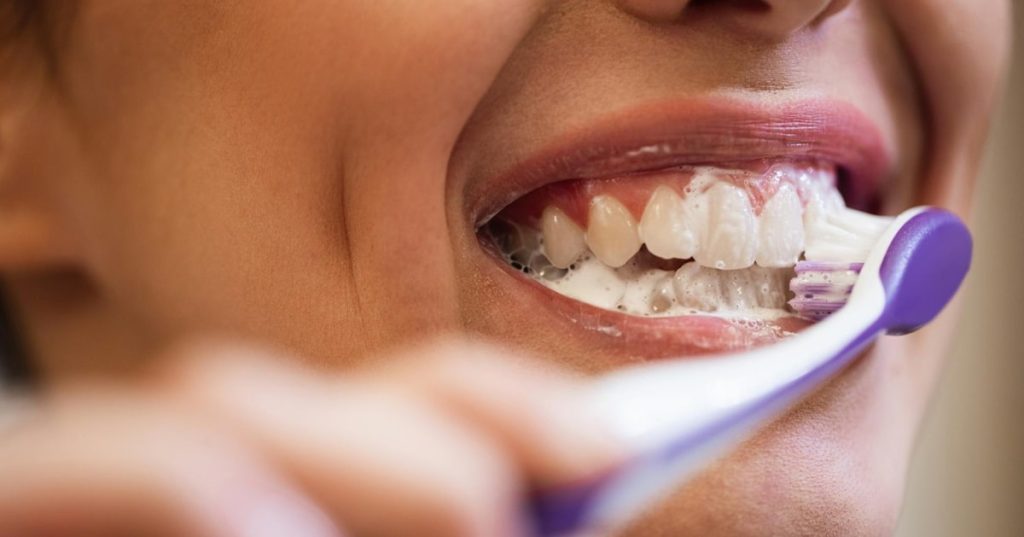
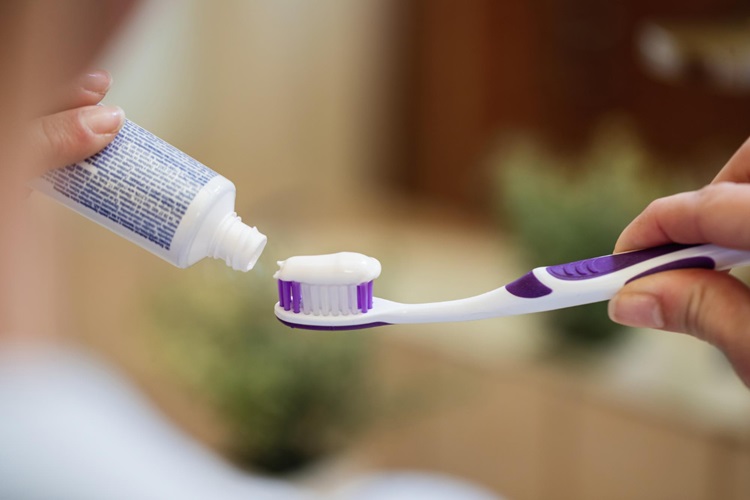
Pick a soft toothbrush and fluoride toothpaste to protect your teeth from decay. Hold the brush at a 45-degree angle to your gums and use gentle circles; no need to scrub hard. Make sure you clean all the surfaces: outer, inner, and chewing areas of each tooth.
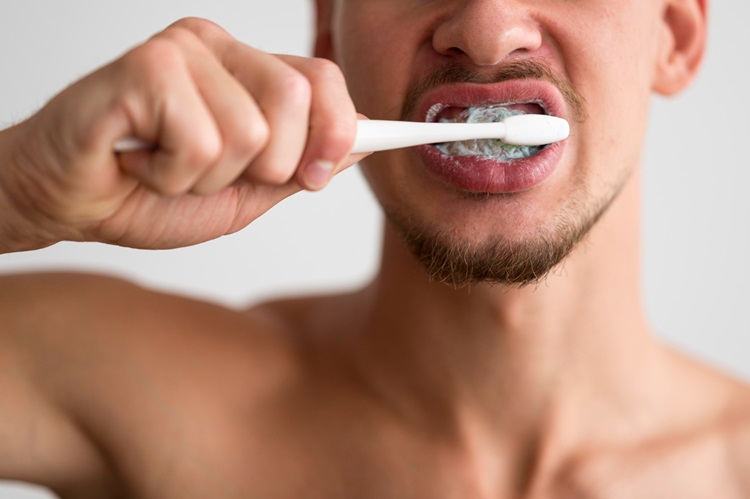
Note: Spend about two minutes brushing. Brushing twice a day, especially before bed, helps keep bacteria from growing overnight. It also minimizes the need for an emergency dentist.
Use an Effective Flossing Method
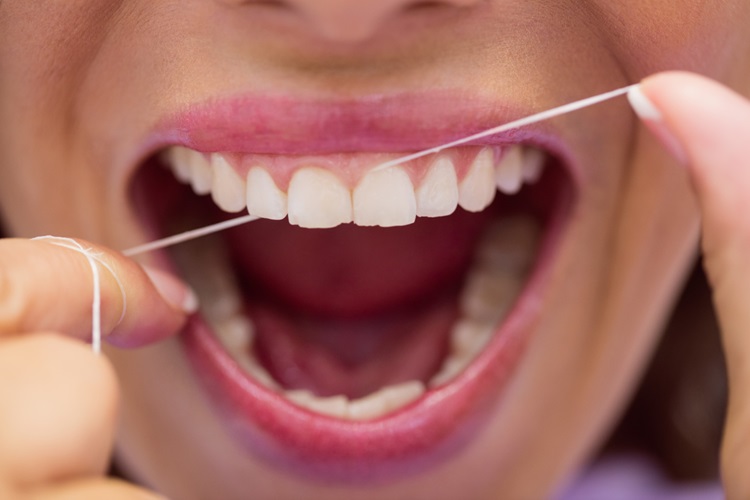
Flossing cleans the spots your toothbrush can’t and it prevents plaque, cavities (which might need a dental crown), and gum disease. Gently slide floss between your teeth, curve it around, and move up and down a few times. Use a new section for every tooth. Struggle with floss? Try interdental brushes or a water flosser. If you floss before brushing, fluoride reaches tricky spots and keeps gums healthy.
Ready for a Healthier, Brighter Smile?
Keeping your teeth clean is easier when you get the right professional care. At Woodbridge Smile Centre, we offer complete dental checkups and cleanings to help you maintain strong oral health and enjoy long-lasting results.
Use Mouthwash Correctly
Mouthwash gives extra protection because it rinses away leftover bacteria. Choose a formula with no alcohol so your mouth doesn’t dry out. After you brush and floss, swish about 20 ml for 30 to 60 seconds, make sure to reach the back, then spit it out. This helps freshen breath, neutralize acids, and can even strengthen enamel. Use once or twice a day as a boost, not a replacement for brushing and flossing.

Do you want to know if electric toothbrushes improve your oral health? Visit our guide on electric toothbrush benefits to learn more.
Don’t Forget Tongue Cleaning
Your tongue can hold bacteria that cause bad breath and plaque buildup, so don’t skip it. Use your toothbrush or a scraper to gently clean from back to front, and don’t put too much pressure. Rinse the tool and your mouth after each stroke. This quick step improves breath and oral health as it reduces bacteria.

Why Proper Teeth Cleaning Matters
Good oral care isn’t just cosmetic; it’s linked to your whole body. Here’s why it’s important:
| Benefit | Description |
| Prevents Cavities and Decay | Regular cleaning removes plaque and reduces acid attacks on enamel that lead to holes in teeth. |
| Reduces Gum Disease Risk | Proper techniques keep gums healthy, lowering the risk of inflammation, bleeding, and potential tooth loss. |
| Improves Overall Health | Lowers the chances of linked issues like heart disease, stroke, and diabetes by controlling oral bacteria. |
| Improves Breath Freshness | Gets rid of food particles and bacteria and gives you confidence in daily interactions. |
| Saves Money | Fewer dental procedures mean less spending on fillings, crowns, or emergency visits. |
| Boosts Self-Esteem | A bright, healthy smile helps with better mental well-being and social ease. |
Wondering why regular dental visits are important? Take a look at our blog on regular dental visits to learn the top reasons for routine visits.
Tools You Need for Effective Cleaning
Use the right tools to clean your teeth more easily. Let’s outline the essentials:
- Soft-Bristled Toothbrush: Choose one with a small head for better reach; replace every three months or when bristles fray to keep its effectiveness.
- Fluoride Toothpaste: Choose products trusted by dental experts that fit your needs, like ones for sensitivity or whitening, to help strengthen enamel and prevent decay.
- Dental Floss: Use about 18 inches of floss, waxed or unwaxed. If regular floss is hard to use, try floss picks as an alternative.
- Antibacterial Mouthwash: Choose a mouthwash without alcohol to avoid dry mouth. Use it daily to help control plaque and keep your breath fresh.
- Tongue Scraper: Use a tongue scraper or the back of your toothbrush to remove bacteria and keep your mouth fresh.
- Interdental Brushes: Great for bigger gaps or braces, these brushes help clean between teeth and work alongside flossing.
Read more: “Importance of Flossing: Floss Like a Pro and Unlock Smile Power”
When to Visit Your Dentist for Optimal Oral Health
Routine checkups catch issues early. Don’t wait for pain; prevention is key. Review these signs and schedules:
| Sign or Situation | Recommended Action |
| Persistent Bad Breath | Check in with your dentist to make sure nothing like an infection or decay is causing it. |
| Bleeding Gums | See your dentist soon; bleeding could mean early gum problems that need a cleaning. |
| Tooth Sensitivity | Get it checked to see if worn enamel or cavities are the cause. |
| Every Six Months | Most adults should have a regular check-up and cleaning twice a year. |
| More Frequent if High-Risk | If you have gum issues or teeth that get cavities easily, every 3 to 4 months is better. |
| After Illness | Swap out your toothbrush and talk to your dentist if your mouth still feels off. |
Are you experiencing dental pain? Here, we will teach you how to manage dental pain until you can visit a dentist.
Unlock Lifelong Dental Wellness
If you follow these tips on how to clean teeth properly, you’ll enjoy more than just a bright smile; it’s great for your health and confidence. Use the right tools, stay consistent, and listen to your body. Are you looking for dental services for all your family members? At Woodbridge Smile Centre, we offer specialized treatments for specific age groups. Book an appointment for family dentistry in Vaughan.
FAQ
What is the best time to brush my teeth?
Brush twice a day, once in the morning after breakfast and again before bed. Don’t brush right after eating acidic foods; wait 15-20 minutes to protect your enamel.
How often should I replace my toothbrush?
Change your toothbrush every three months or sooner if the bristles get frayed, since worn brushes don’t clean well. After being sick, swap it out to avoid germs.
Can mouthwash replace brushing or flossing?
Mouthwash helps, but it can’t replace brushing and flossing. It rinses away debris and cuts bacteria, but the main cleaning comes from your brush and floss.
Why do my gums bleed when I floss?
Bleeding gums usually mean plaque is causing inflammation, often when you skip flossing. With gentle, regular flossing, it should stop within a week. If it keeps happening, visit your dentist to check for gingivitis.
Is an electric toothbrush better than a manual one?
Electric brushes can remove more plaque with less effort, which is great if you have limited hand movement. But a manual brush works just as well with the right technique. Pick what feels comfortable for you and ask your dentist for advice.