

It is a common occurrence in our Woodbridge clinic: a patient arrives convinced they have a significant cavity or a failing filling in their upper back teeth, only to discover that the root of the problem isn’t in their mouth at all. Conversely, we often see patients who have spent weeks treating a stubborn cold with decongestants, unaware that a silent dental infection is actually fueling their sinus pressure. This is where the toothache vs. sinus pain comparison becomes important.
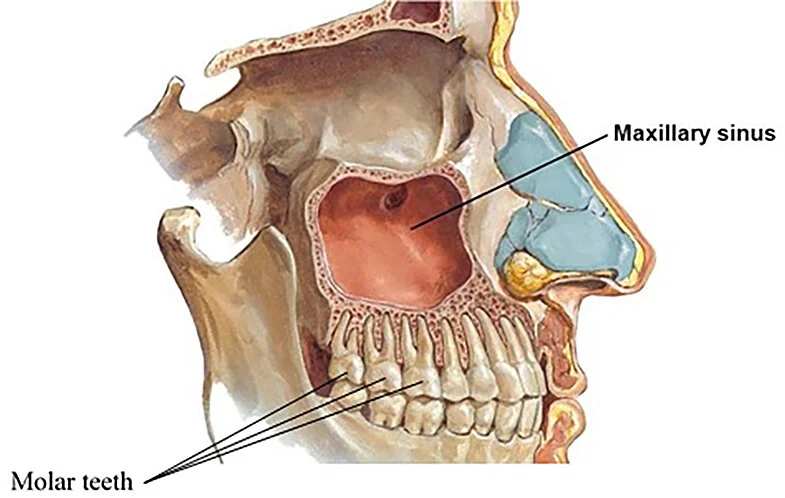
Because the anatomy of the human face is so tightly packed, the floor of your maxillary sinus sits directly atop the roots of your upper molars and premolars. This physical proximity creates a shared neighborhood where inflammation in one area frequently masquerades as pain in the other. Understanding how to distinguish between these two can save you days of discomfort and ensure you seek the right type of care.
Toothache vs. Sinus Pain Guide
To understand the difference between these two conditions, we must first look at how they originate within the facial structure. Sinus pain, specifically related to the maxillary sinuses located behind your cheekbones, is typically caused by inflammation of the delicate lining of these cavities.
When you have a cold, allergies, or a bacterial infection, these spaces fill with fluid and mucus, creating a buildup of internal pressure. Because the floor of the sinus sits directly above the roots of your upper teeth, this pressure pushes down on the dental nerves, resulting in a heavy, dull, and continuous ache that often feels like it is affecting an entire row of teeth rather than just one spot.
A toothache, by contrast, is a signal that the internal pulp or the supporting structure of a specific tooth is under distress. This usually occurs when decay reaches the nerve, a filling has fractured, or an infection has formed at the very tip of the root.
Unlike the broad pressure of a sinus issue, dental pain is typically localized and sharp, often described as a stabbing or intense throbbing sensation centered on a single tooth. While sinus pain might fluctuate based on your head position or nasal congestion, a true toothache is often triggered or worsened by external factors like biting pressure or sensitivity to hot and cold temperatures.
Where Does the Confusion Come From?
The maxillary sinuses are hollow, air-filled cavities located behind your cheekbones. For many people, the bone separating the sinus floor from the tooth roots is paper-thin. In some cases, the roots actually extend into the sinus cavity itself.
When you develop a viral or bacterial sinus infection, the lining of these cavities becomes inflamed and filled with fluid. This buildup exerts downward pressure directly onto the dental nerves. Because your brain receives pain signals from the same general nerve pathway, it can be nearly impossible to tell if the ache is coming from the tip of a tooth root or the floor of the sinus.
Don’t Guess Your Way Through the Pain!
Identifying the source of facial pressure is the first step toward real relief. Our team at Woodbridge Smile Centre is here to provide a clear diagnosis. Schedule your exam today to ensure you get the right care for your symptoms.
Identifying Sinus-Induced Dental Pain
If your discomfort is stemming from a sinus issue rather than a tooth, you will likely notice a specific set of patterns. Sinus pain is rarely localized to a single spot. Instead, it usually feels like a dull, heavy ache affecting an entire quadrant of your upper teeth.
A tell-tale sign is gravity-dependent pain. If you lean forward to tie your shoes or move your head suddenly and feel a sharp increase in pressure or a thumping sensation in your upper jaw, this is a strong indicator of fluid movement within the sinus.
You might also notice that your pain is accompanied by a diminished sense of smell, a persistent headache, or pressure behind the eyes. Most importantly, sinus-related toothaches usually lack the sharp, stabbing sensitivity to extreme temperatures that characterizes a dental cavity.
Signs of a Primary Dental Infection
When the issue is truly a dental one, the symptoms tend to be much more specific and pointed. While a sinus ache feels like a heavy cloud over your jaw, a dental infection often feels like a lightning bolt centered on one specific tooth.
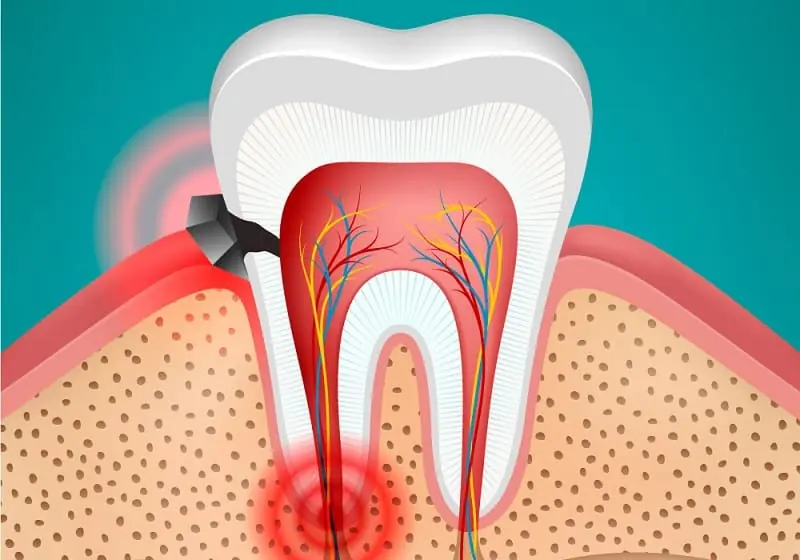
If you can pinpoint the exact tooth that hurts, or if the pain intensifies significantly when you tap on that tooth with a finger, the problem is likely an abscess or a deep cavity. True dental pain also responds aggressively to temperature; if a sip of cold water or hot coffee causes a lingering, throbbing ache, it suggests the internal pulp of the tooth is inflamed. Unlike sinus pressure, dental infections may also present with visible changes, such as a small, pimple-like bump on the gums or localized swelling that doesn’t change when you move your head.
| Feature | Sinus-Related Pain | True Dental Pain (Toothache) |
| Location | Affects a row or quadrant of several upper back teeth. | Usually localized to one specific tooth. |
| Type of Sensation | A dull, heavy, or full pressure or ache. | Sharp, stabbing, or intense localized throbbing. |
| Temperature Sensitivity | Usually none; teeth feel normal with hot or cold. | Sharp pain or lingering ache when drinking hot or cold liquids. |
| Physical Triggers | Pain increases when bending over, jumping, or moving your head. | Pain increases when biting down or tapping on the specific tooth. |
| Nasal Symptoms | Accompanied by congestion, runny nose, or pressure behind the eyes. | No nasal symptoms; may involve gum swelling or a bad taste in the mouth. |
| Consistency | Often feels worse in the morning and improves as fluid drains. | Persistent pain that may keep you awake at night, regardless of position. |
The Two-Way Street: Odontogenic Sinusitis
One of the most overlooked aspects of facial pain is that a tooth infection can actually cause a sinus infection. This is known as odontogenic sinusitis. Research has shown that a significant percentage of chronic sinus infections are actually fueled by bacteria traveling upward from a diseased upper tooth.
According to research shared by the Mayo Clinic regarding how sinus infections cause toothaches, the relationship is so intertwined that a physician may often refer a patient to a dentist to rule out an underlying infection before proceeding with sinus surgery. If a tooth is the source, no amount of antibiotics or nasal sprays will permanently clear the sinus until the dental infection is treated at the root.
When Visiting a Dentist is Needed
While some facial pressure can be managed with rest or decongestants, there are specific red flags that indicate the source of your pain is likely dental and requires professional intervention. We recommend scheduling an assessment if you notice any of the following:
- Pain localized to a single tooth: If you can point to exactly which tooth hurts, or if the pain is sharp and stabbing rather than a broad, dull ache, it is time for a clinical exam.
- Temperature sensitivity: If sipping a cold drink or hot coffee triggers a lingering, throbbing pain, this usually indicates that the internal nerve of the tooth is inflamed or infected.
- Pain when biting or tapping: If chewing food or simply tapping on a specific tooth causes sharp discomfort, the issue is likely rooted in the tooth or its supporting ligaments rather than your sinuses.
- Visible changes in the gums: Any localized swelling, redness, or the appearance of a small, pimple-like bump on the gum line is a definitive sign of a dental abscess.
- A persistent foul taste or odor: This often suggests a localized infection or drainage from a tooth that a sinus rinse will not resolve.
- Fever or facial swelling: If your pain is accompanied by a fever or visible swelling on the outside of your cheek or jaw, this indicates an infection that may be spreading and needs immediate attention.
- Symptoms that outlast a cold: If your nasal congestion has cleared up but your upper jaw pain remains just as intense, the “sinus” pressure may have been a dental infection all along.
- Unsuccessful medical treatment: If you have already completed a course of antibiotics or decongestants prescribed by a physician, but your sinus toothache persists, a dental X-ray is necessary to rule out an odontogenic (tooth-origin) infection.
According to detailed clinical insights on sinusitis and dental infection connections, identifying the primary source of the inflammation is the only way to stop the cycle of recurring pain.
Conclusion
Navigating the blurred lines between a sinus infection and a dental issue can be exhausting, especially when the discomfort interferes with your daily life. While the symptoms often overlap, understanding the subtle differences in how and where the pain manifests is the first step toward recovery. Ignoring a persistent ache in your upper jaw can allow a minor issue to develop into a more complex infection that affects both your oral health and your respiratory well-being.
Ultimately, you do not have to guess the cause of your discomfort. Our emergency dentists at Woodbridge Smile Centre are here to provide the clinical clarity you need through a thorough examination and advanced diagnostic imaging.
FAQ
Can a sinus infection cause my teeth to hurt?
Yes, because the roots of your upper back teeth are situated very close to the maxillary sinuses, the pressure and inflammation from an infection can push directly on dental nerves, causing a dull, persistent ache in your upper jaw.
How can I tell if my toothache is actually a sinus issue?
If your discomfort feels like a heavy pressure affecting multiple teeth and worsens when you bend forward or move your head suddenly, it is likely sinus-related. A true toothache usually stays localized to one tooth and reacts sharply to hot or cold temperatures.
Will a sinus toothache go away on its own?
If the pain is caused by a viral cold or seasonal allergies, it will typically subside once the sinus congestion clears. However, if the pain persists for more than two days or is accompanied by a fever, you should see a dentist to rule out a localized infection.
Can a bad tooth cause a sinus infection?
Absolutely. This is known as odontogenic sinusitis. Bacteria from a dental infection in the upper jaw can travel upward through the thin bone of the sinus floor, leading to a chronic sinus infection that will not fully heal until the tooth is treated.