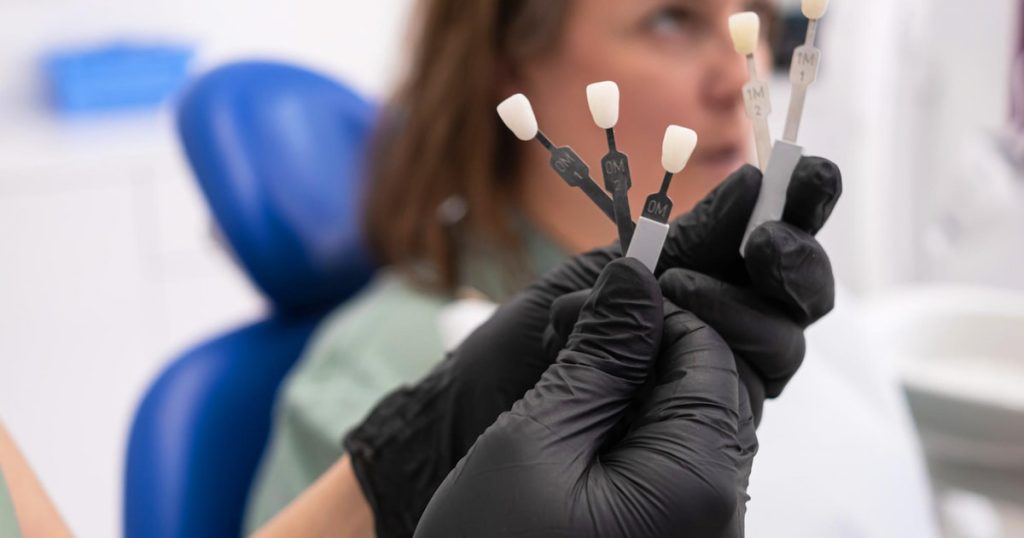
Amoxicillin stains on teeth can be frustrating, but several effective solutions are available to restore your smile. From professional teeth whitening to other proven treatments, this guide covers everything you need to know about removing amoxicillin stains from teeth. Keep reading to find the right solution for you.
Top Methods to Remove Amoxicillin Stains
With advancements and new technologies in dentistry, several solutions are available to remove stains and discoloration and help individuals achieve a brighter and sparkling smile.
Professional Teeth Cleaning: The Most Effective Option
The most reliable and effective method for removing amoxicillin stains is professional dental cleaning. Amoxicillin stains, especially those caused during childhood or from prolonged use, can lead to discoloration that is difficult to address with regular brushing. During a dental visit, your dentist or hygienist will:
- Remove plaque, tartar, and surface stains caused by the medication.
- Use professional-grade polishing tools to minimize the appearance of surface discoloration and restore brightness.
- If the stains are intrinsic (deep within the tooth), your dentist may recommend additional cosmetic procedures, such as professional teeth whitening or veneers, to achieve better results.

What Causes Amoxicillin Stains on Teeth?
Amoxicillin stains appear because of the interactions between the medication and the bacteria in the mouth. This combination may lead to the formation of colored compounds that change the color of the teeth. This problem is more common in children and patients who take this medication for a long time.
Tooth discoloration from amoxicillin typically develops over weeks or months. It usually depends on various factors, including the duration of usage, the dosage of amoxicillin, and lifestyle habits.
Factors That Influence Staining Severity
Different factors may affect the severity of stains on your teeth. Here, we have mentioned some of them:
- Age: Amoxicillin discoloration and stains are more common in children. Children are more prone to tooth discoloration because their teeth are still developing.
- Dosage: The higher the amoxicillin dose, the higher the chance of your teeth getting stained.
- Oral Hygiene: Individuals with poor oral hygiene are more prone to tooth discoloration.
Contact us at Woodbridge!
We are here to remove all the stains and discolorations. Our experts at Woodbridge Smiles Center evaluate your oral conditions and recommend the best options to help you have a more confident smile.
How to Prevent Amoxicillin Stains on Teeth in the Future
If you are using amoxicillin and you want to keep your teeth white and bright in the future, you should take some steps to prevent stains and discoloration. Let’s learn about these preventative steps together.
Parents preparing kids for their first visits will find practical tips on reducing dental fear in children.
Tips for Reducing the Risk of Staining While Taking Amoxicillin
Following some simple steps can significantly minimize the risk of tooth discolorations and stains while using amoxicillin. First of all, keep in mind that you should get enough water. Drinking water can wash away residue while during and after using amoxicillin. Using a straw can also prevent direct contact between the liquid and your teeth. Ultimately, follow the prescribed dosage of amoxicillin. Prolonged usage can lead to serious health issues.
Proper Oral Care During and After Amoxicillin Use
Adhering to regular oral hygiene practices plays a crucial role in maintaining your oral health and keeping your teeth clean and white, especially during amoxicillin use.
- Brushing: Gently brush your teeth with fluoride toothpaste to prevent plaque buildup.
- Flossing: Using dental floss is essential to remove remaining food particles.
- Using mouthwash: Rinsing your mouth with mouthwash can prevent plaque buildup and reduce discoloration.
- Regular checkups: Regular dental checkups can minimize the risk of tooth discoloration. Your dentist can examine your teeth and perform a professional cleaning or teeth whitening if needed.
Do you wish to achieve a healthy, bright, and sparkling smile? We are here for you at Woodbridge Smile Center. Our professionals have years of experience and expertise in helping patients feel more confident by improving their smiles. We use modern technologies and top-quality materials, offering patients all the dental services at the most affordable prices. Schedule your appointment today.
FAQs
What causes Amoxicillin to stain teeth?
Amoxicillin can lead to staining due to the interaction between the medication and the bacteria in the mouth, which can form colored compounds on the teeth.
What is the best professional treatment for Amoxicillin stains?
A professional cleaning at the dentist, including polishing or teeth whitening, is the most effective treatment.
Can amoxicillin stains be prevented completely?
It’s difficult to prevent staining entirely, but proper oral care and prompt brushing can reduce the likelihood.