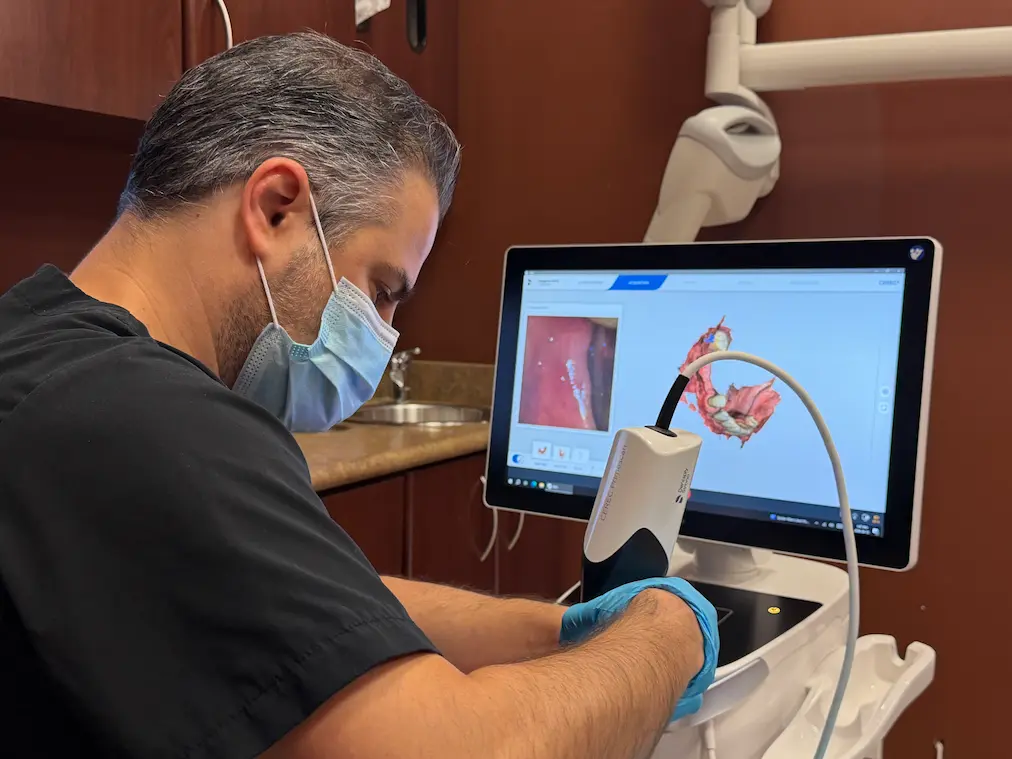
Digital Smile Design (DSD) lets you see your new smile before any treatment begins. Using digital photos, videos and precise 3D scans, we create a custom design that fits your preferences and your expectations. This approach improves accuracy and helps deliver better results whether the plan involves implants, veneers, bonding, whitening or clear aligners.
DSD works well for most people who want a better smile. If you have active dental issues such as decay or gum disease, those are addressed first so the final design rests on a healthy foundation. At our dental clinic in Woodbridge, Ontario, your dentist will review the treatment plan with you and confirm if DSD is the right next step or not.
What Is Digital Smile Design (DSD)?
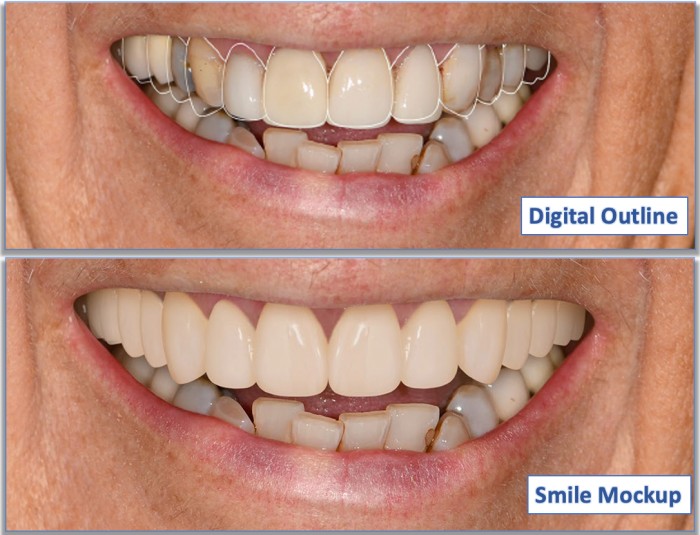
Digital Smile Design (DSD) is a digital approach that we use to plan and visualize your smile before treatment begins. By using clinical photographs, videos, digital scans, and specialized software, we analyze your teeth and facial features and create a digital simulation of your proposed smile. This gives you a clearer idea of the planned result and helps us discuss details such as tooth shape, proportions, position, and overall smile aesthetics together before treatment. We can also use DSD as a digital planning guide for different treatments, including veneers, crowns, orthodontics, and implant-supported restorations.
Cosmetic Dentistry in Woodbridge: What DSD Can Fix
Digital Smile Design is a planning and communication tool that can be applied across virtually every cosmetic dental procedure, not only implants. Common concerns that DSD can address include:
- Chipped or worn teeth
- Gaps between teeth
- Stained or discoloured teeth
- Uneven tooth lengths
- Crooked or mildly misaligned teeth
- Gummy smiles
At Woodbridge Smile Centre, a DSD plan can incorporate any combination of the cosmetic services we offer, including porcelain veneers, crowns, dental bonding, professional teeth whitening, clear aligners, and gum contouring. The digital design becomes the shared roadmap that guides every step, so the final result looks natural and consistent with the plan you approved.
Read more: Why Dental Implants Are the Best Option for Missing Teeth
Main Benefits of Digital Smile Design for Modern Dentistry
Digital Smile Design (DSD) is a modern approach in dentistry that helps improve treatment planning and enhances communication between dentist and patient. Here are three key benefits:
- Visualize Your Smile Before Treatment: DSD allows you to see a digital simulation of your proposed smile before treatment begins. This helps you better understand the planned changes and discuss your preferences with your dentist before moving forward.
- More Structured Treatment Planning: By combining digital scans and facial and dental analysis, DSD helps dentists plan treatments more systematically. It can support a wide range of procedures, mostly cosmetic.
- More Personalized Aesthetic Results: DSD considers the relationship between your teeth, lips, smile, and facial features when planning treatment. This can help create a more individualized aesthetic plan while giving you an opportunity to provide feedback before treatment begins.
Research Insight: In a randomized clinical trial with 4-year follow-up, the digital protocol achieved a 100% implant success rate compared with 98% for the traditional approach. Patients in the digital group also experienced less marginal bone loss (0.83 mm vs 1.12 mm) and rated the digital smile preview and mock-up as very effective (93% and 98% respectively), while reporting lower pain during and after surgery. (MDPI, 2021)
How Digital Smile Design Works
Digital Smile Design follows a clear sequence that starts with accurate digital records and ends with a shared treatment plan:
1. Digital Records
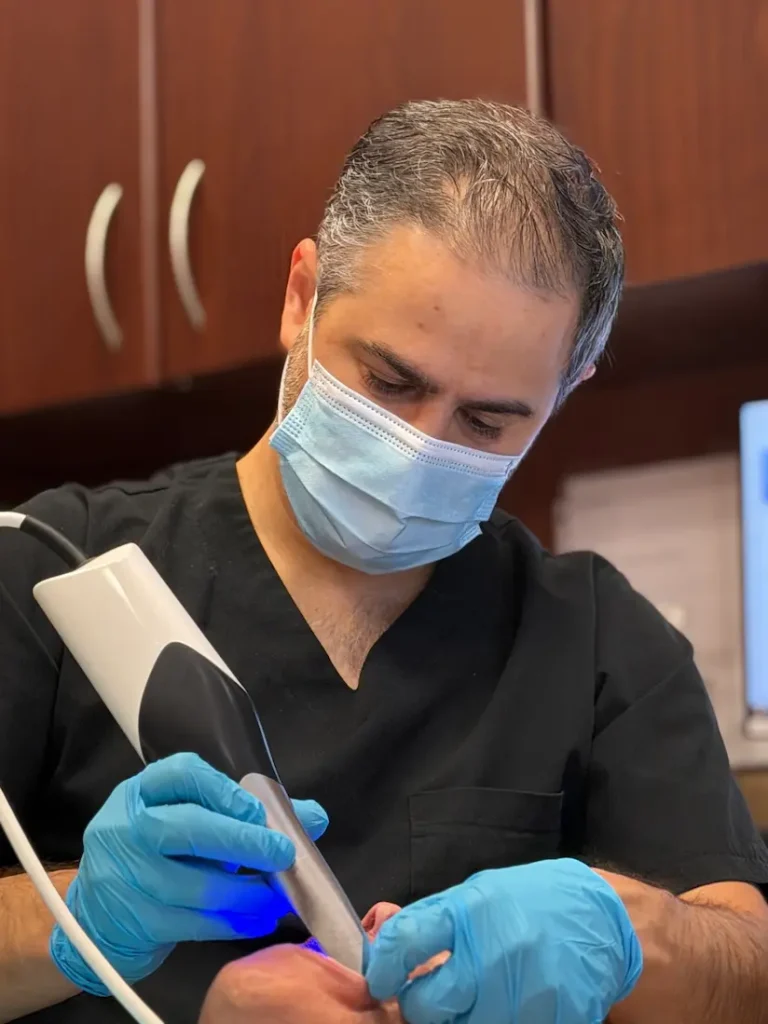
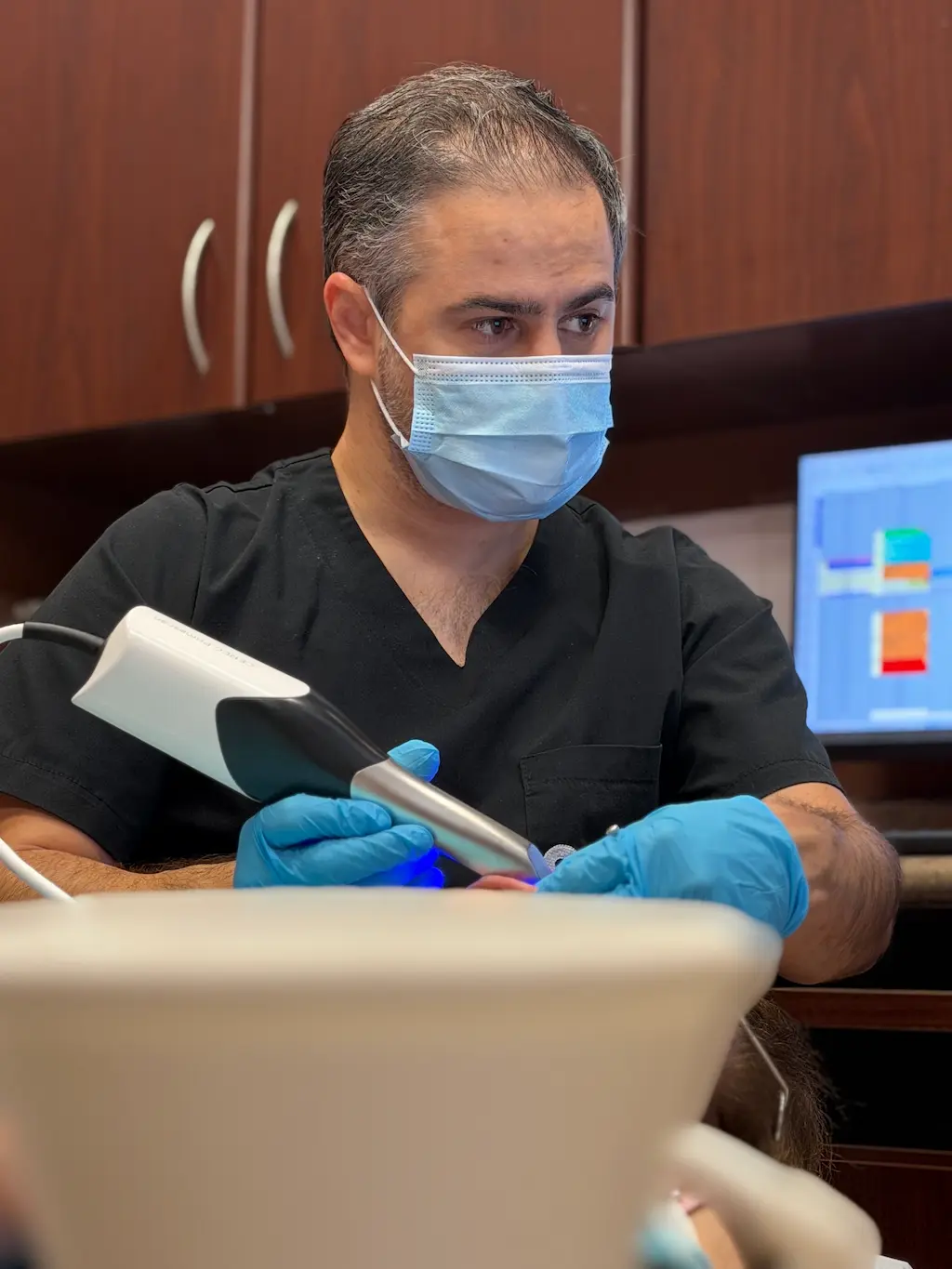
We use igh-quality photos, short videos and an intraoral scan of your teeth and gums using an intraoral scanner and intraoral camera. These digital records replace traditional impressions and capture both the details of your mouth and how you smile and speak.
2. Facial and Smile Analysis
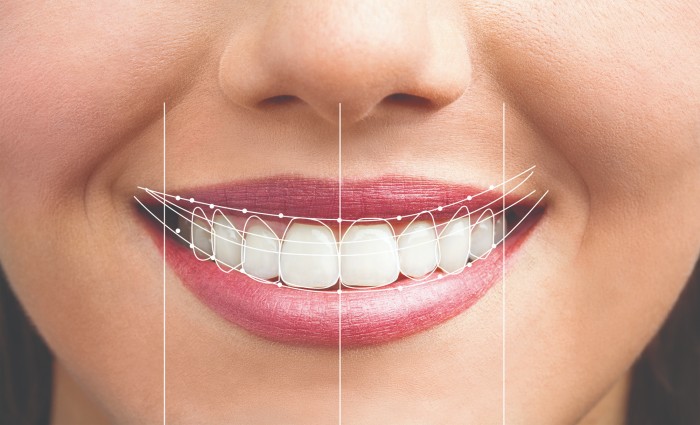
We analyze the digital information together with your facial features and bite. Using specialised software, we create a new smile design that considers tooth position, shape, colour and how everything relates to your face.
3. Design Review and Mock-up
You review the proposed design on screen. We continue making adjustments until the result satisfies you and us. In many cases, we use a temporary mock-up or 3D-printed model so you can see and feel the planned changes in your mouth before any permanent work begins.
4. Approved Blueprint for Treatment
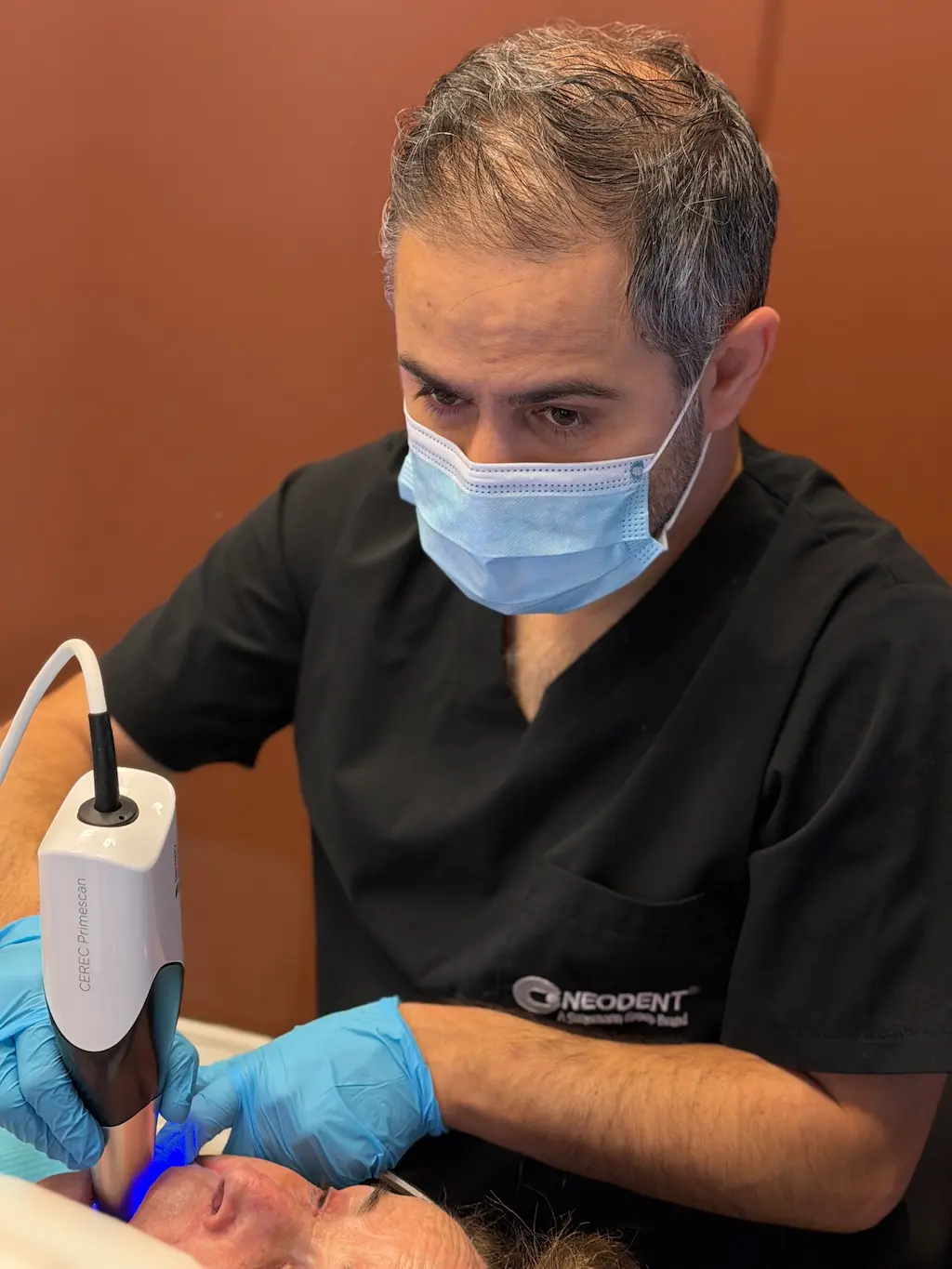
Once the design is approved, it becomes the blueprint for the actual treatment. Digital intraoral X-rays or CBCT scans may be added when needed to check bone and tooth position. The approved digital plan can then guide precise fabrication of restorations, including CAD/CAM systems such as CEREC when same-day or highly accurate restorations are required.
How Is DSD Used in Different Dental Treatments?
Digital Smile Design can be used to plan and coordinate cosmetic, restorative, and implant treatments. In the following sections, we explore how DSD helps visualise and guide these different types of care before treatment begins.
Dental Implants Planned with Digital Smile Design
When dental implants are part of a smile transformation, DSD helps plan both the position of the implants and the final appearance of the teeth they will support. The digital design shows how the new teeth will sit in relation to your lips, facial features and remaining natural teeth before any surgery takes place.
This early visualisation allows the implant placement to be guided by the desired aesthetic outcome rather than adjusted afterwards. As a result, the final restorations can look more natural and the overall treatment becomes more predictable, whether one implant or a full-arch solution is needed.
Read more: Dental Implant Process: A Step-by-Step Guide to Restore Your Smile
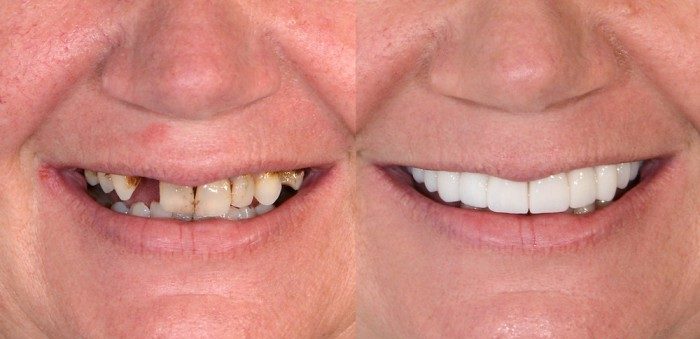
Dental Crowns Planned with Digital Smile Design
When several crowns are planned at the same time, for example in a smile makeover or full-mouth rehabilitation, Digital Smile Design becomes especially valuable. The digital preview lets us design every crown in proportion to the others and to your facial features before any tooth is prepared. This coordinated approach helps achieve a balanced and natural result rather than a series of individual restorations that may not work well together.
Read more about crowns: Top Dental Problems That Dental Crowns Can Fix
Dental Bonding as a Conservative DSD Option
Composite bonding is often the most conservative option that comes out of a DSD plan. It works well for minor chips and gaps, or simple reshaping. With Digital Smile Design, we can show you a digital preview or place a temporary mock-up of the bonding in your mouth first. You see and approve the result before any permanent material is applied.
See the Plan Before You Commit!
Not sure what your smile could look like after treatment? Digital Smile Design lets you explore the proposed changes before treatment begins, so you can discuss your options, and make a decision with a clearer picture of the plan.
Want to explore what DSD could do for your?
Schedule a consultation today.
How Digital Smile Design Enhances Teeth Whitening Results
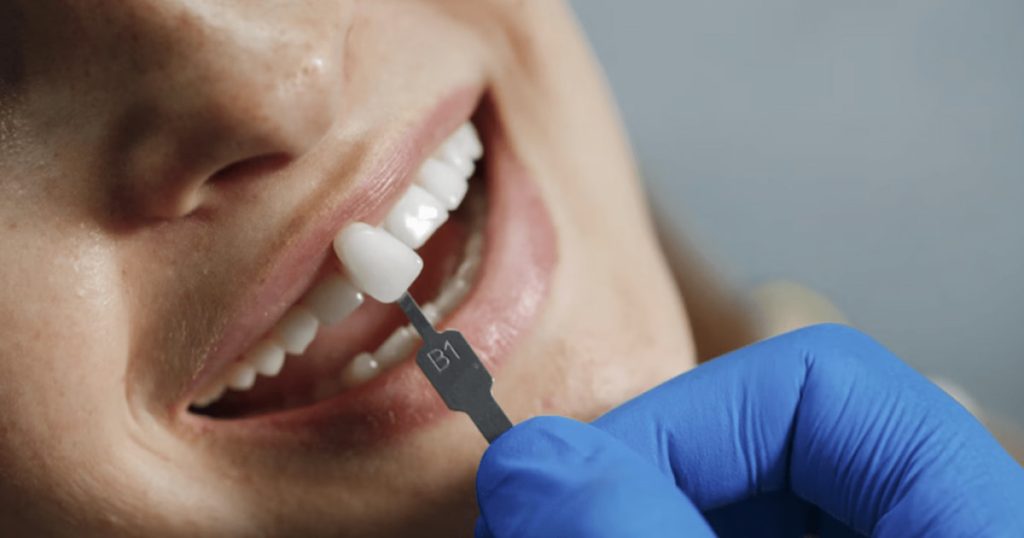
One of the most common questions we hear is “Can my teeth be whitened before veneers or bonding so everything matches?” Digital Smile Design makes this combination more predictable by digitally recording your current tooth shade as a baseline and locking the final target shade into the plan. Any restorations that follow are then fabricated to match the post-whitening color exactly, avoiding the mismatch that often occurs when whitening is done separately.
Whitening can be sequenced as:
- In-office treatment for faster results, or
- Take-home trays for a more gradual approach.
Both options are planned within the DSD workflow so the whitening phase supports the overall smile design rather than complicating it.
DSD and Clear Aligners: Invisalign & Similar Systems
Many patients hope for straighter, more balanced teeth and wonder if clear aligners alone will be enough. Digital Smile Design helps answer that question before any aligners are ordered by creating a digital simulation of the expected end result based on your facial features, lip dynamics and overall proportions. This early preview ensures you and your dentist share the same visual goal from the start.
DSD also shows whether aligners by themselves can achieve the desired outcome or whether a combination approach will work better. In some cases, aligners improve tooth position and small refinements such as bonding or veneers are added afterwards to close residual spaces or refine tooth shape.
While Invisalign is the system we most often use, the same DSD-guided planning principles apply to other clear aligner systems, including alternatives such as SureSmile, depending on the needs of the individual case.
Read more: Invisalign vs. Braces: Which Is Better?
Gum Contouring and Crown Lengthening in the DSD Plan
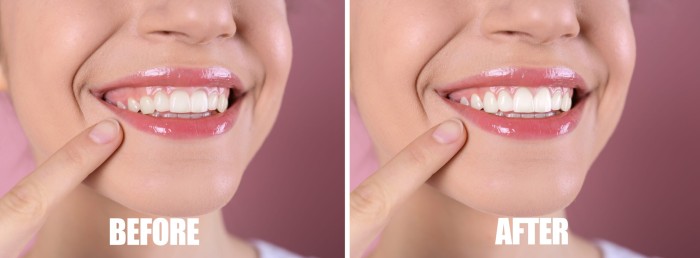
A gummy smile is one of the most common concerns patients in Woodbridge mention when seeking a more balanced look. Gum contouring carefully reshapes the gumline so the amount of tooth and gum displayed appears more natural. With Digital Smile Design, your current gumline is mapped against your facial midline, lip line and tooth proportions, which allows you to see a clear digital preview before any tissue is altered.
When more tooth structure needs to be exposed to support a crown or veneer, the procedure used is crown lengthening. This is planned within the same DSD workflow, so the final gumline position is designed digitally rather than estimated during treatment. The result is a more harmonious relationship between gums, teeth and lips that you can review and approve in advance.
How DSD Improves Bite and Oral Health
Digital Smile Design does more than shape a prettier smile. As part of the planning process, it also maps how your teeth come together when you bite (a factor known as occlusion).
The restorations designed through DSD are proportioned not only for appearance but also to support balanced bite function. This careful planning can help reduce the risk of future chipping and lessen unnecessary strain on the TMJ (temporomandibular joint).
By identifying functional issues at the digital stage, adjustments can be made before any permanent work begins. This lowers the chance of needing revisions after treatment and supports longer-term oral health alongside the aesthetic result.
Read more: The Different Types of Malocclusions (Woodbridge Guide)
Can Digital Smile Design Fail?
Digital Smile Design (DSD) itself rarely “fails” because it is a planning and visualization tool, not the treatment itself. However, the final result may differ from the digital design for several reasons:
- Inaccurate imaging: Poorly captured photos, videos, or scans can affect the accuracy of the design.
- Errors during treatment: The digital plan still needs to be accurately transferred to the clinical and laboratory stages.
- Biological limitations: Gum tissue, bone support, tooth structure, and the patient’s bite can limit what is realistically achievable.
- Unrealistic expectations: A digital design cannot overcome biological or physical limitations, so these should be discussed before treatment begins.
Related Topic: What are the complications of cosmetic dental surgery?
What Affects the Cost of Digital Smile Design?
The cost of a Digital Smile Design treatment depends on several factors, including:
- The number of teeth involved
- The type of restorations chosen (such as veneers, crowns or bonding)
- Whether clear aligners are part of the plan
- The laboratory options used for fabrication
A Digital Smile Design consultation provides a clear, itemised treatment proposal so you know the full scope of work and the associated costs before making any commitment. Book a consultation at our clinic to receive a personalised treatment plan and cost breakdown.
Why Choose Our Woodbridge Dental Team for Digital Smile Design
Dr. Aryan Rezaeifar brings more than a decade of experience in cosmetic and restorative dentistry. As a licensed Ontario dentist and member of the ODA and RCDSO, he combines clinical expertise with modern digital tools, including intraoral scanners and digital imaging, to create precise, personalised smile designs.
At Woodbridge Smile Centre in Vaughan (3582 Major MacKenzie Dr W, Vaughan, ON L4H 3T6), we serve patients from across York Region, including Woodbridge, Kleinburg, Maple and Concord. Every Digital Smile Design case is a collaboration: you see the proposed result, provide feedback, and stay involved until the final restorations match the plan you approved. Call us today at (647) 559-2251 to book your Digital Smile Design consultation.
FAQ
What are the disadvantages of digital smile design?
It requires advanced equipment and an experienced dentist, so it is not available everywhere. It can also cost more than traditional planning, and the final result may differ slightly from the digital preview.
How accurate is Digital Smile Design compared with traditional methods?
Digital Smile Design generally offers higher planning accuracy and predictability. By using facial analysis, scans and digital simulation, it reduces guesswork and helps both dentist and patient agree on the expected outcome before treatment starts.
Is digital smile design worth it?
For many patients, yes. It provides a clear preview of the final smile and allows you to take part in the design process, which often increases comfort and satisfaction with the result.
What is the 50-40-30 rule for smile design?
The 50-40-30 rule is a simplified guideline some dentists use for balanced front-tooth proportions: if the central incisors are 100% of the width, the lateral incisors are roughly 50% and the canines about 40–30%. In Digital Smile Design this is only a starting reference and is always adjusted to your facial features and personal preferences for a natural result.
How should I take care of myself after Digital Smile Design?
Digital Smile Design itself is a planning tool, so it does not require special aftercare. If a temporary mock-up was placed in your mouth to preview the design, follow any specific care instructions given by your dentist and contact the clinic if it becomes loose or damaged.
Is Digital Smile Design suitable for everyone?
Not always. Digital Smile Design works best when your mouth is stable and free of active problems such as untreated decay or gum disease. Your dentist will assess whether it is appropriate for your specific situation.
Have you had experience with Digital Smile Design or are you considering it for your smile?
Share your thoughts or questions in the comments below.